Top 5 Myths About Olive Farming Debunked


Myth 1: Olive Trees Require Constant Watering
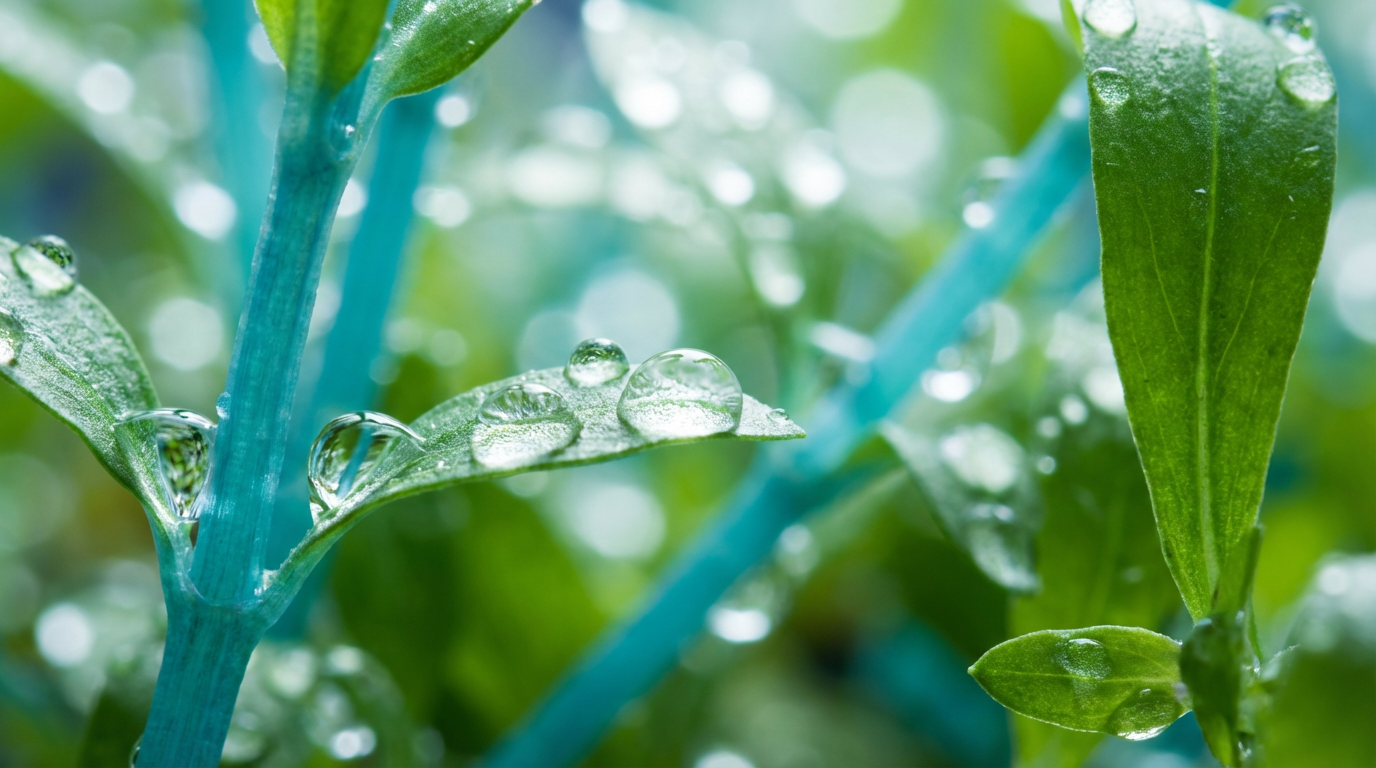
One of the most common misconceptions about olive farming is that olive trees need constant watering. In reality, olives are native to the Mediterranean region, which is characterized by its dry climate. Olive trees are drought-resistant and can thrive with minimal water. Overwatering can actually harm the trees, leading to root rot and other issues.
Myth 2: All Olives Are Harvested by Hand
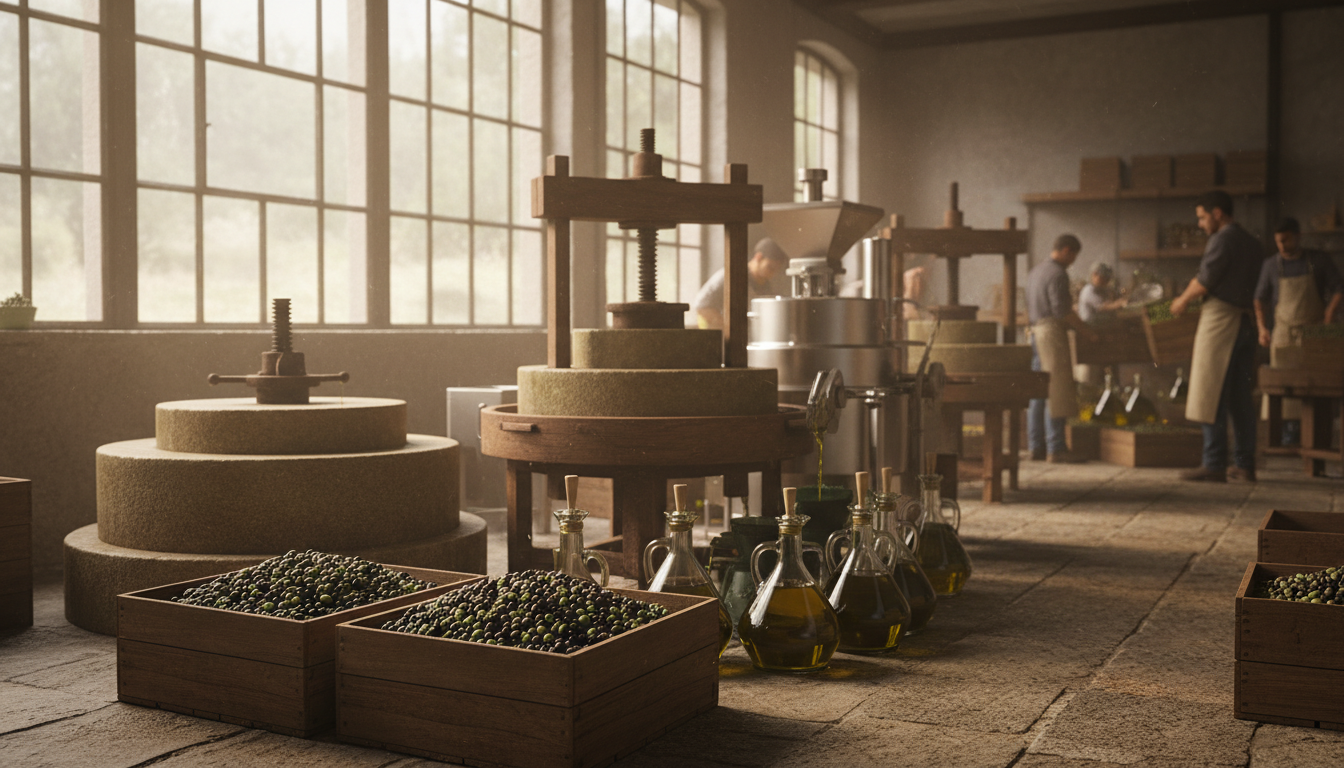
While hand-picking is a traditional method, it's not the only way olives are harvested. Many modern farms use mechanical harvesters to efficiently gather olives, especially in larger groves. This method is faster, and more cost-effective, and helps meet the growing demand for olives worldwide.
The Role of Technology
Technological advancements have allowed olive farmers to increase productivity without sacrificing quality. Machines equipped with shaking mechanisms gently remove olives from branches, ensuring minimal damage to the fruit.
Myth 3: Olive Trees Can't Grow in Cold Climates
Another myth is that olive trees can't survive in cold climates. While they prefer warmer weather, certain varieties can tolerate colder temperatures. Olive trees are surprisingly hardy and can endure frost, especially if they are well-established and healthy.
Selecting the Right Variety
Choosing the appropriate olive variety is crucial for success in cooler climates. Some varieties have been specifically bred to withstand lower temperatures, making olive farming possible in non-traditional regions.
Myth 4: All Olive Oil Tastes the Same
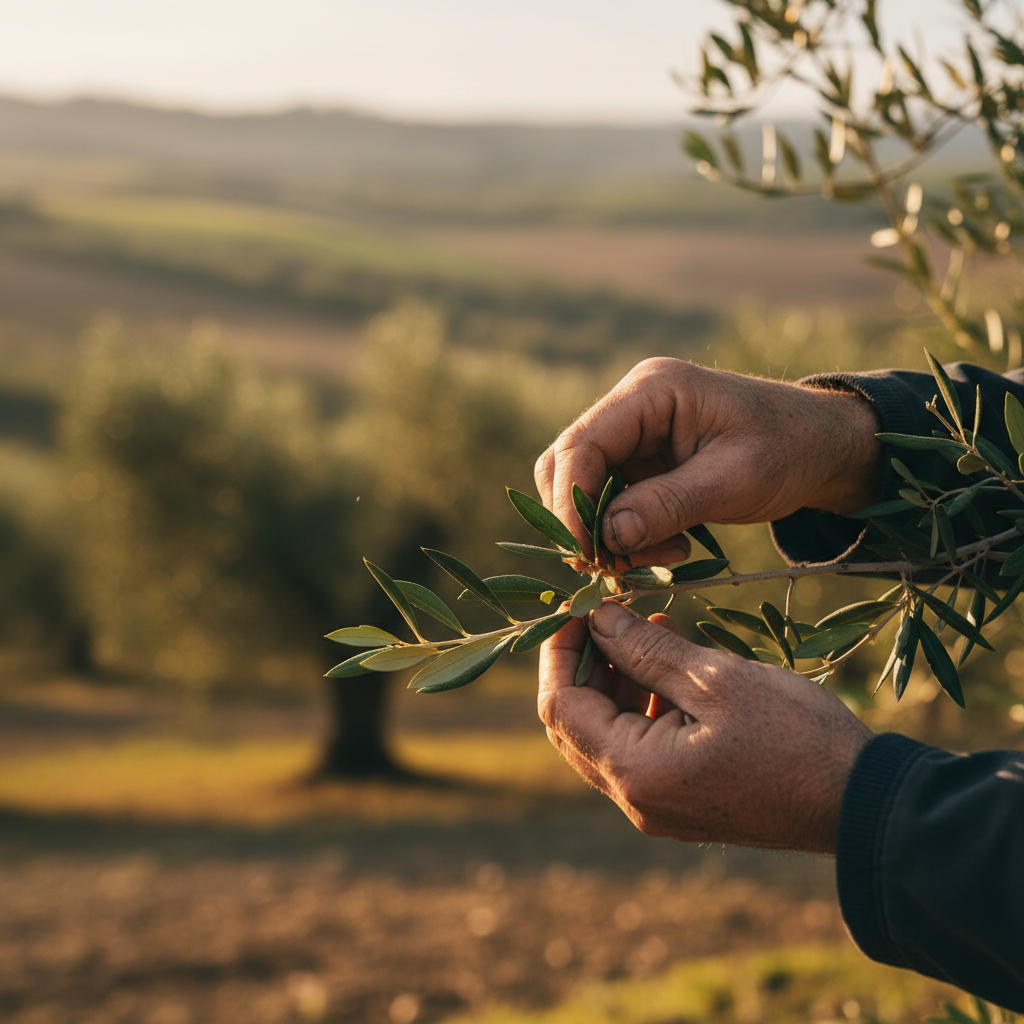
Not all olive oils are created equal. The taste of olive oil can vary significantly depending on the type of olive, the region where it's grown, and the production method. Factors such as soil type, climate, and harvesting techniques all contribute to the unique flavor profiles of different olive oils.
Understanding Flavor Profiles
Olive oil can range from mild and buttery to robust and peppery. Tasting different varieties can be an enlightening experience, revealing the diverse world of olive oil beyond the supermarket shelf.
Myth 5: Olive Farming Is Not Sustainable
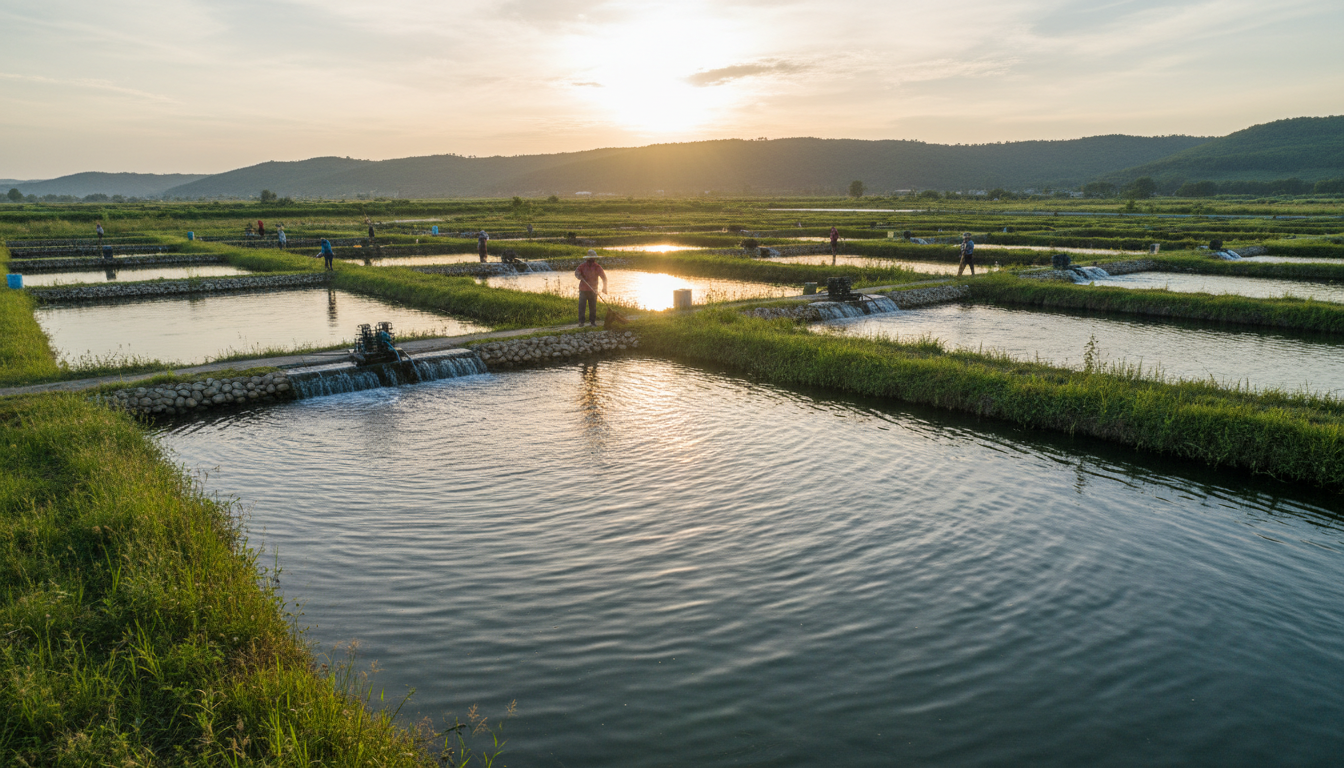
Some believe that olive farming is not environmentally friendly, but this is not the case. Olive trees have a low carbon footprint and can be grown using sustainable practices. They require fewer resources compared to other crops and can thrive in poor soil conditions, making them an excellent choice for sustainable agriculture.
Embracing Eco-Friendly Practices
Many olive farmers are adopting eco-friendly methods, such as organic farming and integrated pest management. These practices not only protect the environment but also produce high-quality olives and olive oil.
By debunking these myths, we gain a better understanding of the fascinating world of olive farming. Whether you're an aspiring olive farmer or simply a fan of olives, knowing the facts helps appreciate this ancient and resilient crop.