The Ultimate Guide to Olive Farming in San Simon, AZ


Introduction to Olive Farming in San Simon
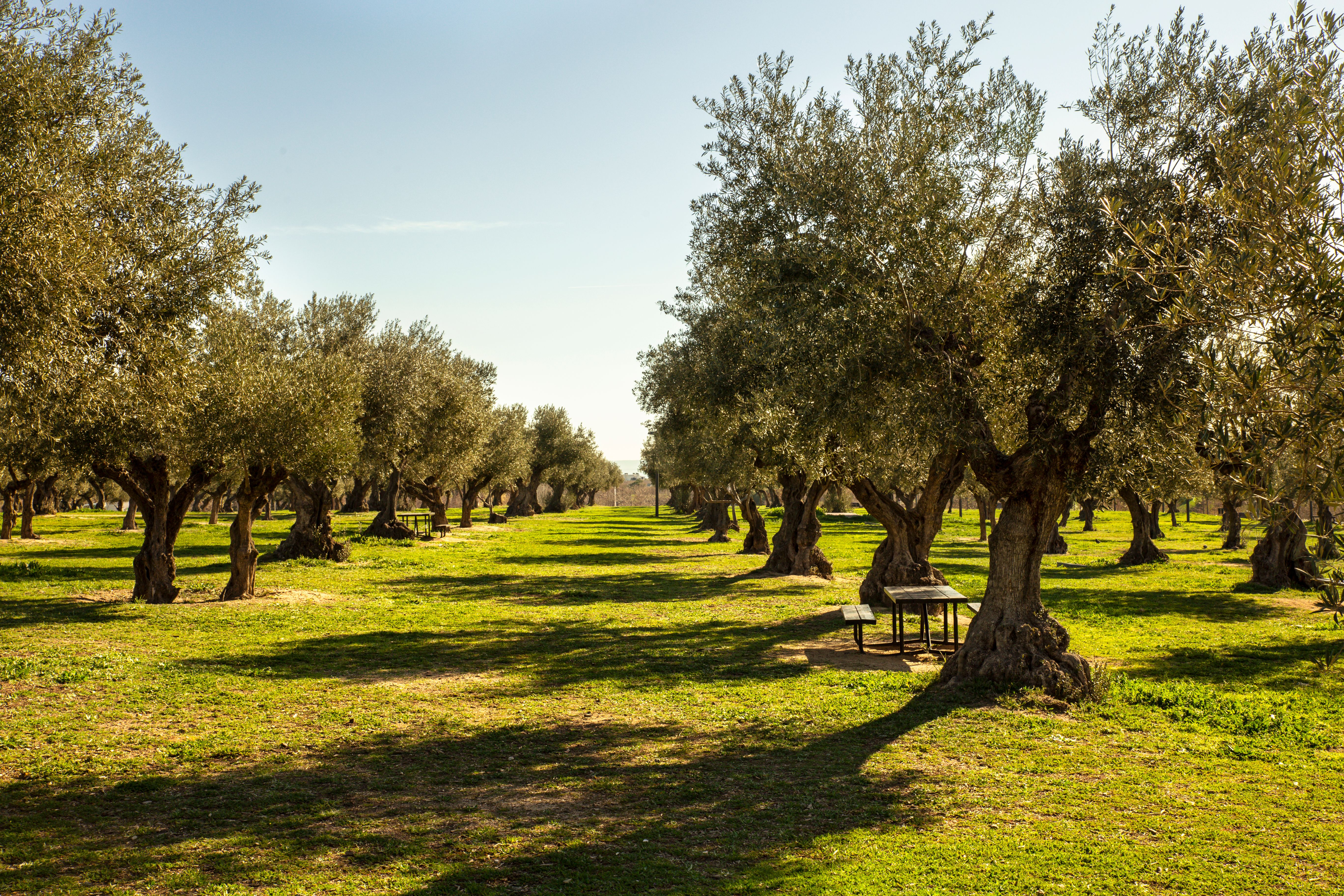
San Simon, Arizona, offers a unique environment for olive farming, with its dry climate and well-drained soils. These conditions mimic those found in traditional olive-growing regions, making it ideal for cultivating olives. Farmers here have the opportunity to explore this lucrative and sustainable agricultural venture.
Choosing the Right Olive Varieties
When selecting olive varieties for your farm, it's essential to consider factors such as climate adaptability and intended use. Common varieties for oil production include Arbequina, Koroneiki, and Picual, while Manzanilla and Sevillano are popular for table olives. Each variety has distinct characteristics that affect the flavor and quality of the produce.
Understanding Soil and Climate Requirements
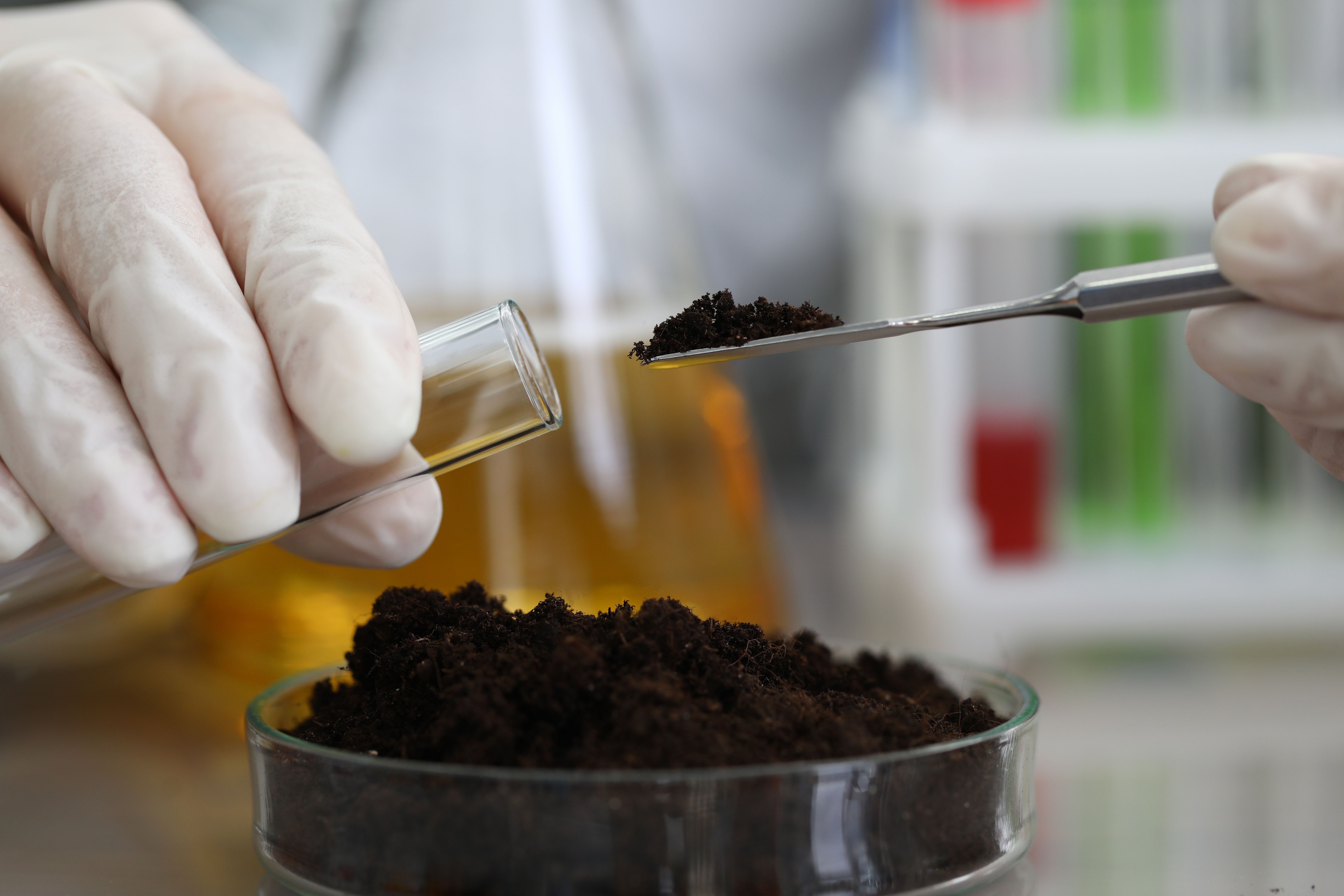
Olives thrive in areas with mild winters and hot, dry summers. San Simon's climate is perfect for this, but ensuring proper soil conditions is equally important. Olives prefer well-drained, slightly alkaline soils. Conduct soil tests to determine pH levels and nutrient content, adjusting as necessary to optimize growth.
Planting and Maintenance
Timing is crucial when planting olive trees. The best time to plant is in early spring after the last frost. Space trees adequately to allow for air circulation and growth. Regular maintenance includes pruning to shape the trees and remove dead branches, which helps in maximizing sunlight exposure and air circulation.
Irrigation and Fertilization
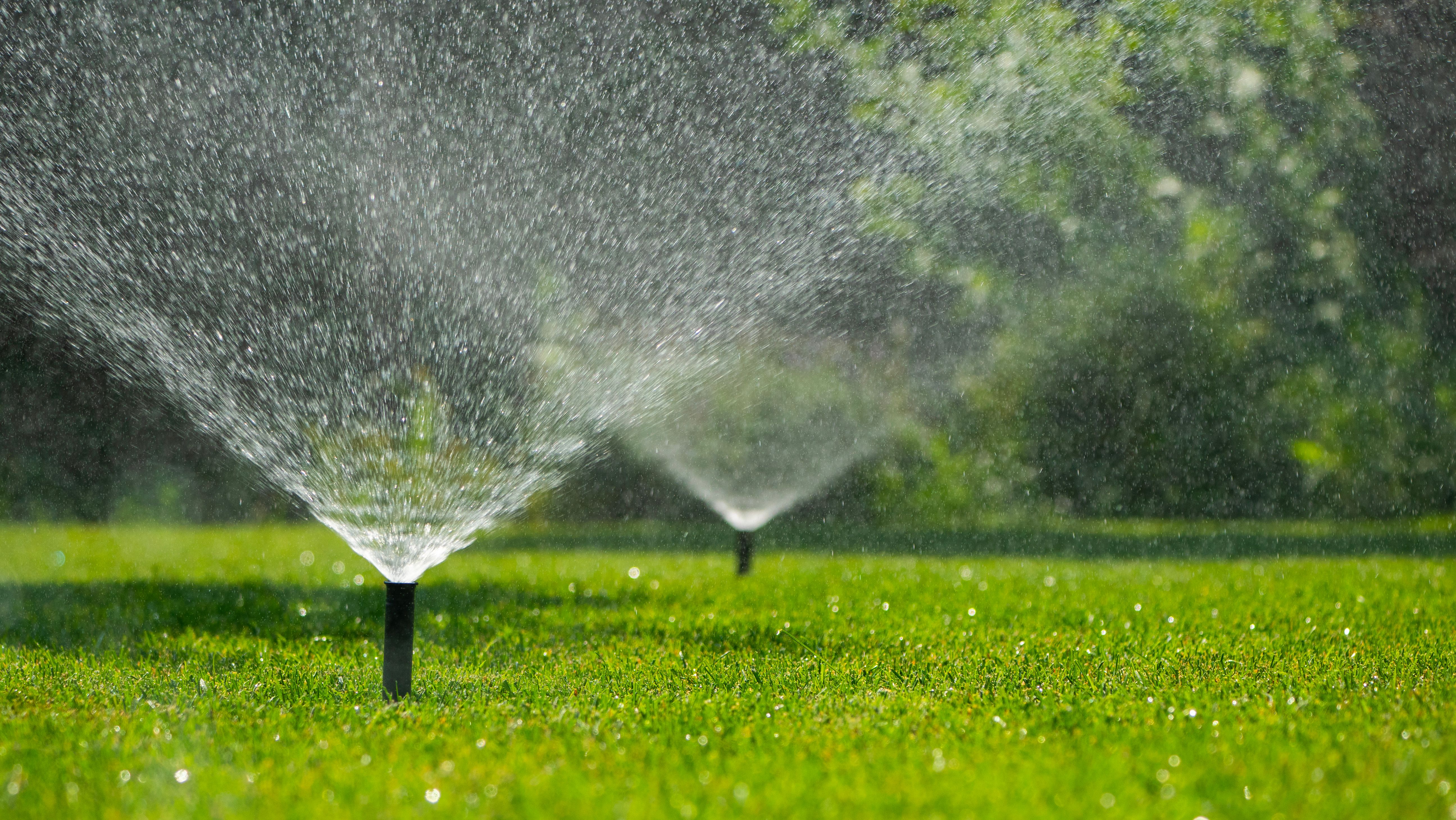
Although olives are drought-tolerant, young trees require regular watering until established. Implement a drip irrigation system to ensure efficient water use. Fertilization should be based on soil test results, typically involving nitrogen-rich fertilizers to promote healthy growth.
Pest and Disease Management
Like any crop, olives are susceptible to pests and diseases. Common issues include olive fruit flies and fungal infections. Implement integrated pest management practices, such as introducing natural predators and maintaining proper sanitation, to minimize these risks. Regular monitoring and early intervention are key to effective management.
Harvesting and Processing
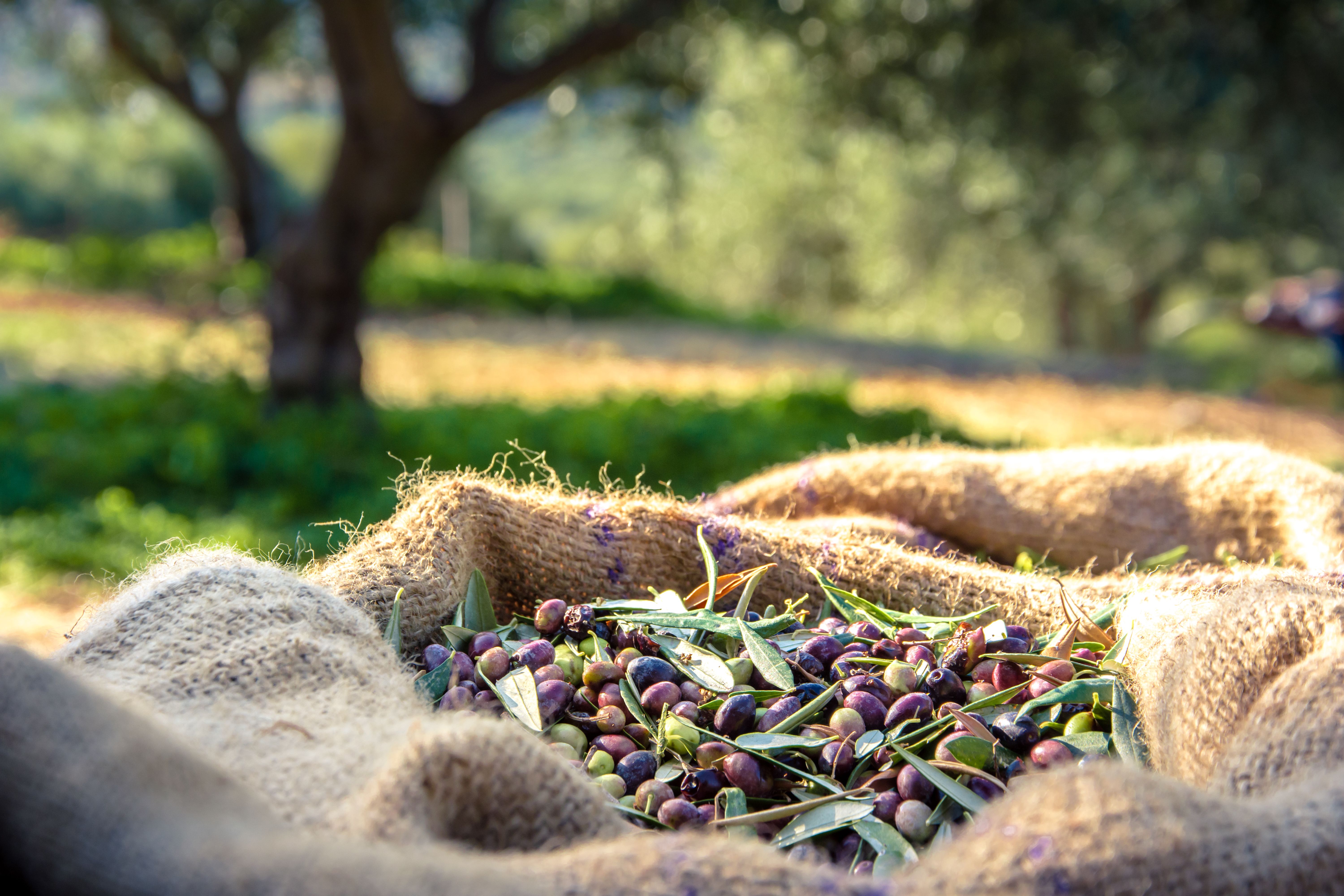
Olive harvesting typically occurs between October and December. Timing is crucial, as it affects the oil's flavor and quality. Use traditional hand-picking methods or mechanical harvesters for efficiency. Once harvested, olives should be processed promptly to prevent spoilage and maintain quality.
Marketing Your Olive Products
After processing, consider how to market your olive oil or table olives. Emphasize the quality and unique characteristics of your products. Utilize local farmers' markets, online platforms, and partnerships with local businesses to reach a broader audience. Highlighting the sustainability and health benefits of olives can attract health-conscious consumers.
Conclusion
Olive farming in San Simon, AZ, presents a promising opportunity for those looking to venture into agriculture. With the right knowledge and practices, farmers can cultivate high-quality olives that appeal to a wide market. By understanding the local climate, soil requirements, and effective farming techniques, you can establish a thriving olive farm in this unique region.