The Ultimate Guide to Olive Farming in Arizona


Introduction to Olive Farming in Arizona
Arizona's unique climate and terrain make it an emerging hub for olive farming in the United States. With its dry, warm weather and well-drained soil, the state offers ideal conditions for growing olives, which are traditionally associated with Mediterranean climates. This guide provides insights into the essential aspects of olive farming in Arizona, from selecting the right varieties to harvesting best practices.
Choosing the Right Olive Varieties
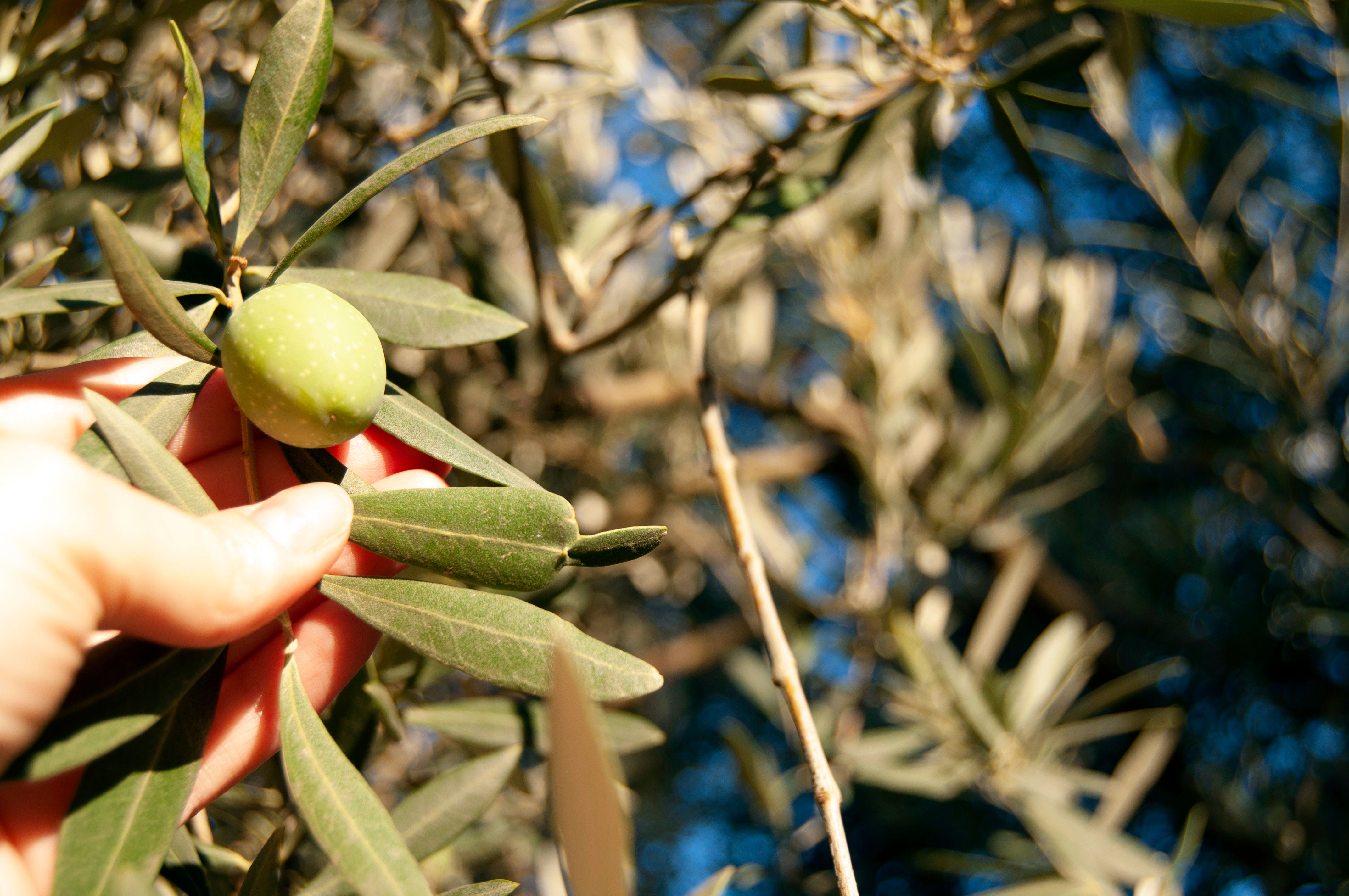
When it comes to olive farming in Arizona, selecting the appropriate olive varieties is crucial. Some of the most popular varieties include Arbequina, Mission, and Manzanillo, each offering unique flavors and characteristics. Consider factors such as oil content, disease resistance, and growth characteristics when making your selection.
Arbequina olives are known for their adaptability and high oil yield, making them a favorite among Arizona farmers. Mission olives, on the other hand, are prized for their robust flavor and versatility. Finally, Manzanillo olives are often chosen for their excellent table qualities.
Preparing the Soil and Planting
Olive trees thrive in well-drained soil with a pH between 6 and 8. Before planting, it's essential to conduct a soil test to determine the nutrient levels and pH balance. Adding organic matter such as compost can improve soil fertility and drainage.
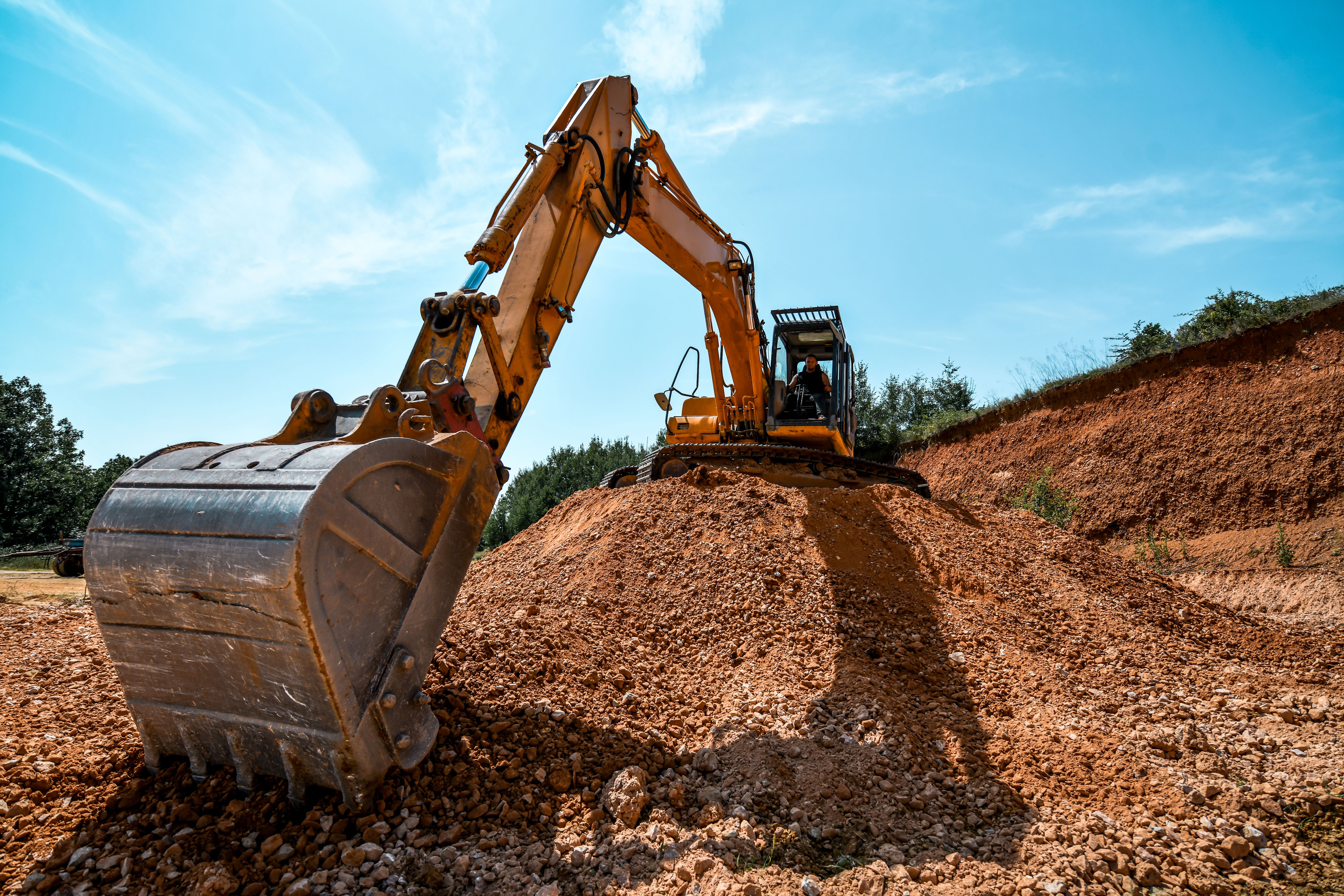
Once the soil is prepared, plant the olive trees with sufficient spacing to allow for sunlight penetration and air circulation. A typical spacing is around 15 to 20 feet apart. Ensure that the planting hole is deep enough to accommodate the root ball without bending or crowding the roots.
Watering and Irrigation Techniques
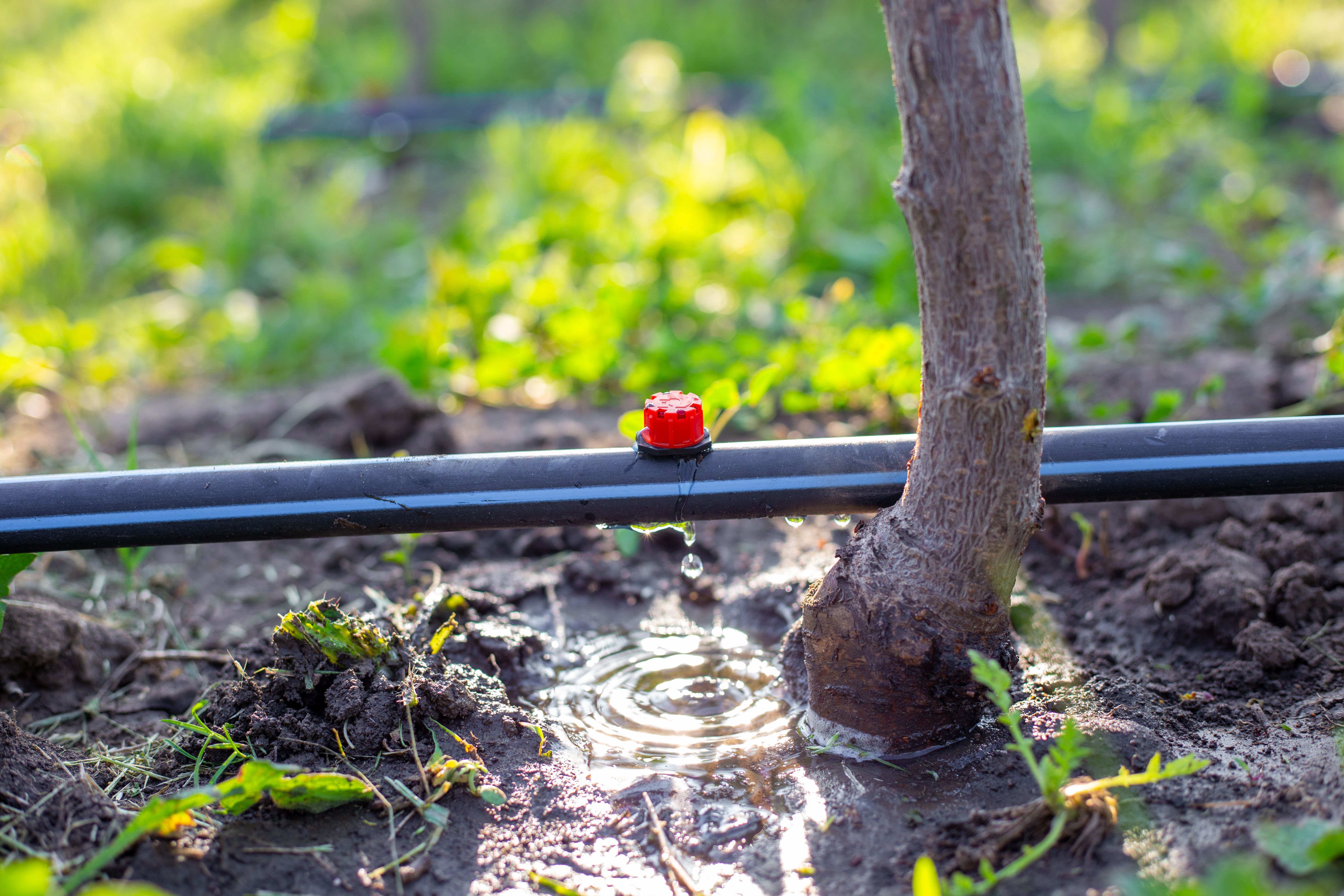
Although olive trees are drought-tolerant, they require regular watering during the initial years to establish a strong root system. Drip irrigation is an efficient method for olive farming in Arizona, as it provides consistent moisture directly to the root zone.
During the dry months, monitor soil moisture levels closely and adjust watering schedules as needed. Overwatering can lead to root rot, so it's essential to strike a balance based on weather conditions and soil type.
Pest and Disease Management
While olive trees are relatively resistant to pests and diseases, they are not immune. Common issues include olive fruit fly, scale insects, and fungal diseases such as verticillium wilt. Implementing integrated pest management (IPM) strategies can help minimize these problems.
- Regularly inspect trees for signs of infestation or disease.
- Use natural predators and biological controls.
- Apply organic or chemical treatments only when necessary.
Harvesting and Processing
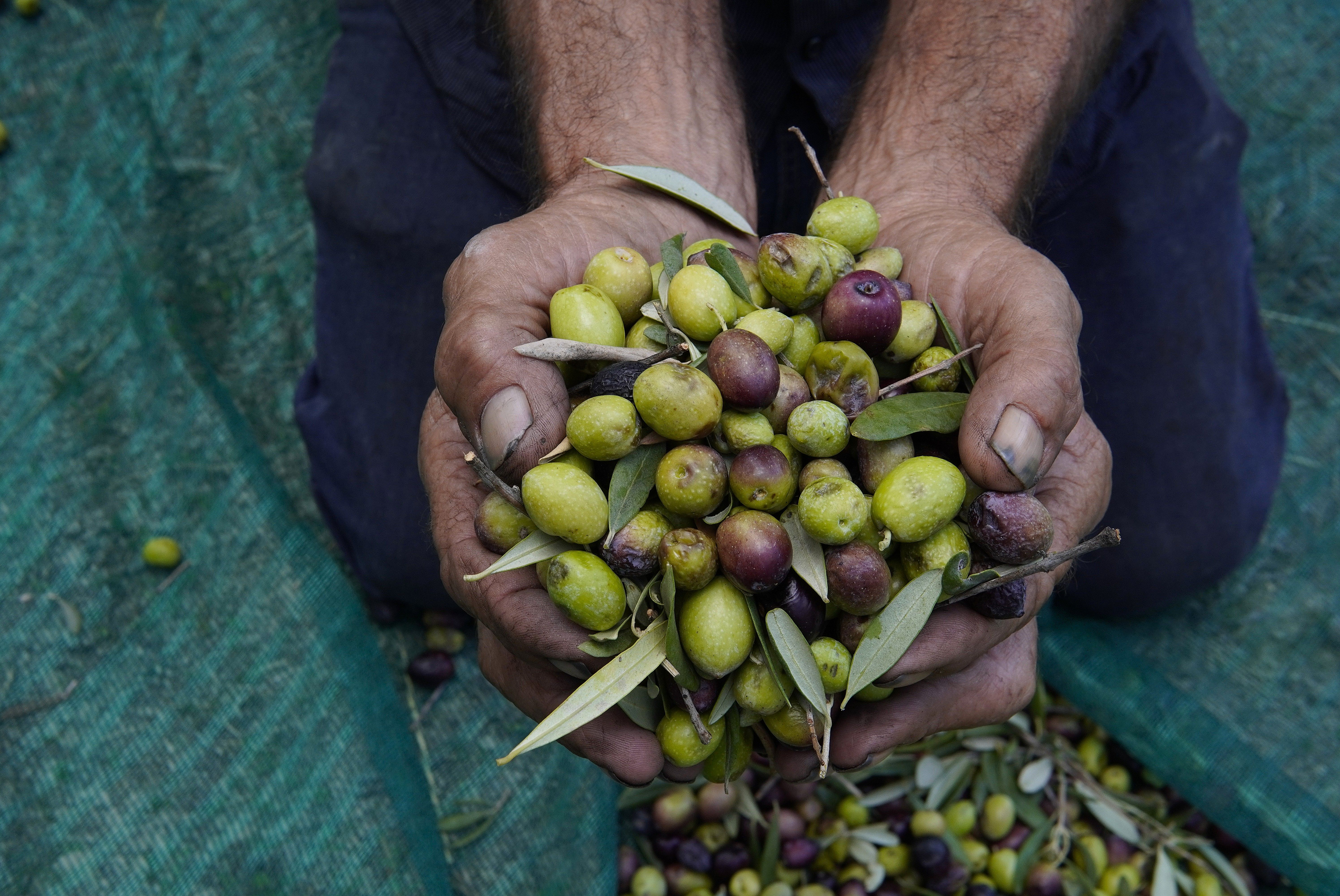
Harvesting olives at the right time is essential for quality oil and table olives. In Arizona, the harvest season typically occurs from late September to November. Olives can be harvested by hand or using mechanical shakers, depending on the size of the orchard.
Once harvested, olives should be processed quickly to maintain quality. For oil production, pressing should occur within 24 hours to prevent oxidation. Table olives require curing, which involves soaking in brine or lye to remove bitterness.
Conclusion
Olive farming in Arizona offers exciting opportunities for agricultural enthusiasts and commercial growers alike. By understanding the unique requirements of olive cultivation in this region, you can successfully establish and maintain a thriving olive farm. Whether you're interested in producing high-quality olive oil or delectable table olives, Arizona's climate and soil provide a promising foundation for success.