The Ultimate Guide to Olive Cultivation in San Simon


Introduction to Olive Cultivation in San Simon
San Simon, with its Mediterranean climate and fertile soil, provides an ideal environment for olive cultivation. Known for producing high-quality olives, this region has become a hub for olive farmers and enthusiasts alike. If you're considering entering the olive industry or expanding your current operation, understanding the nuances of olive cultivation in San Simon is crucial.
Climate and Soil Requirements
Olives thrive in environments with long, hot summers and mild winters. San Simon's climate perfectly matches these requirements, ensuring a robust growth cycle. Additionally, olives prefer well-drained, sandy, or clay-loam soils. Proper soil testing can help determine the need for amendments to achieve optimal growing conditions.
It's important to note that olives are drought-resistant, making them suitable for San Simon's occasional dry spells. However, consistent irrigation during dry periods can significantly increase yield and fruit quality.
Soil Preparation
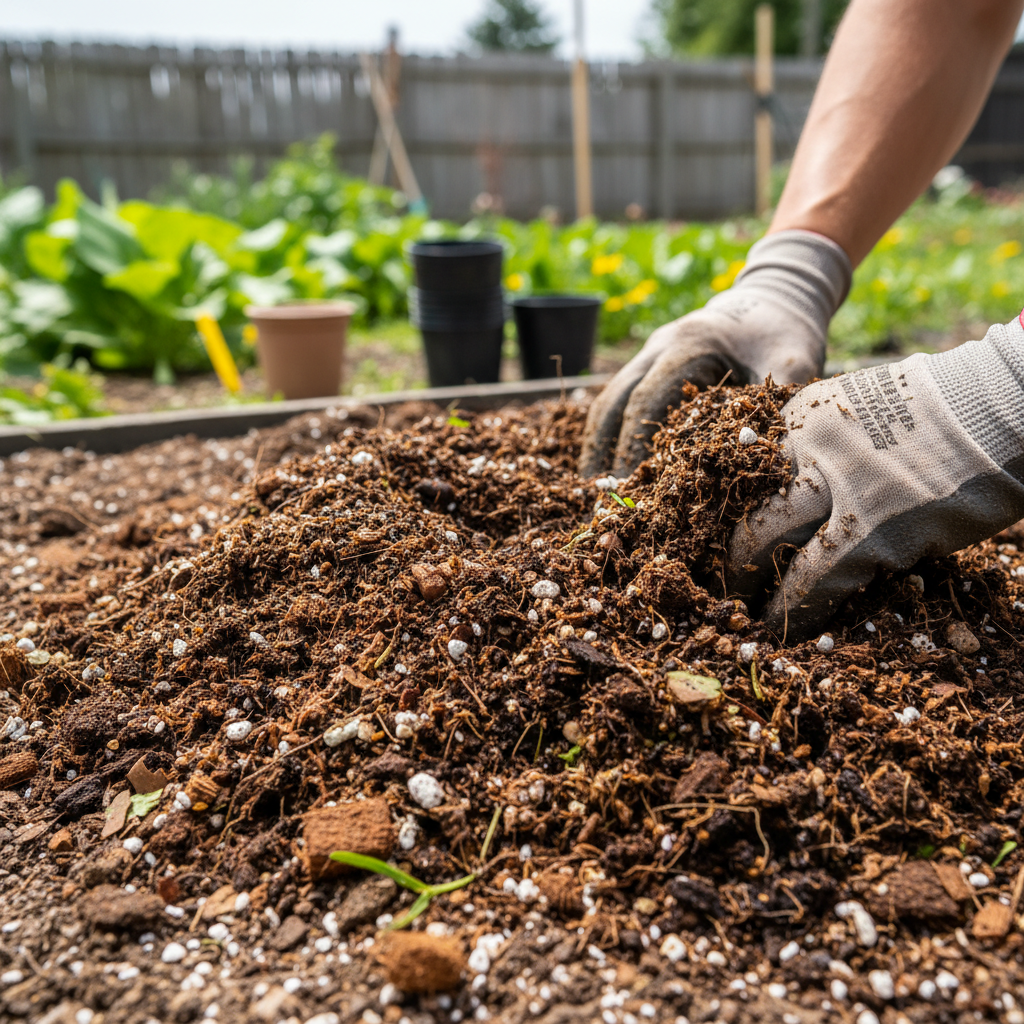
Before planting, ensure that the soil is well-prepared. This involves clearing debris, tilling, and adding organic matter to enhance fertility. Regular soil testing will guide you in maintaining the right pH levels, ideally between 6 and 8, to support healthy tree growth.
Choosing the Right Olive Varieties
San Simon offers a perfect environment for several olive varieties. Common types include Arbequina, known for its high oil content, and Manzanilla, favored for table olives. Choosing the right variety depends on your intended market and production goals.
Consider factors such as oil yield, disease resistance, and market demand when selecting your olive variety. Consulting with local agricultural experts can provide valuable insights tailored to San Simon's conditions.
Planting and Maintenance
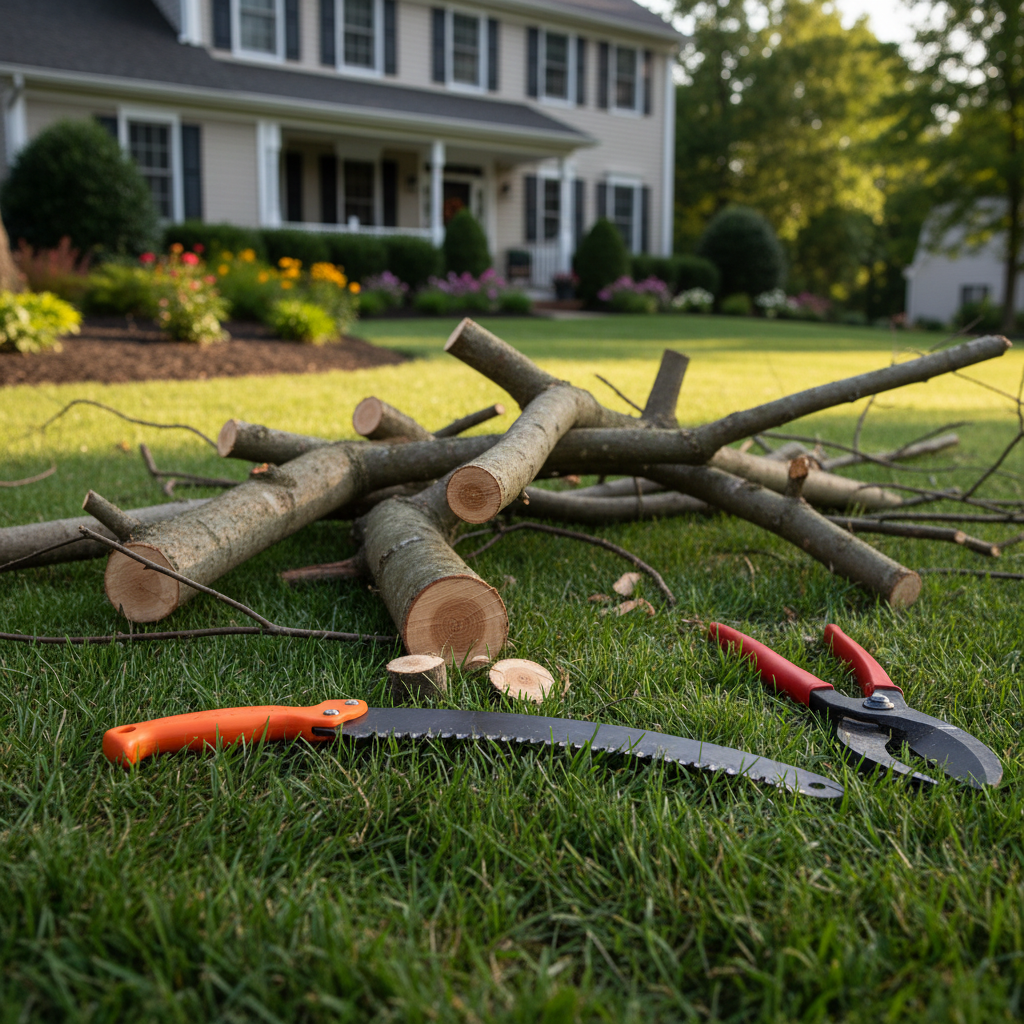
Proper planting techniques are essential for a successful olive orchard. Space trees adequately to allow for growth and air circulation, typically around 20 feet apart. Regular pruning helps maintain tree health and maximizes fruit production.
Pest and Disease Management
While olives are generally hardy, they are susceptible to certain pests and diseases. Common issues in San Simon include olive fruit flies and bacterial infections. Implementing an integrated pest management strategy can help mitigate these risks.
Regular monitoring, combined with the use of organic pesticides and beneficial insects, can effectively control pest populations. Early intervention is crucial to prevent significant damage to your crop.
Harvesting and Processing
The timing of the harvest is critical in determining the quality of the olives. In San Simon, harvesting typically occurs from late autumn to early winter. Hand-picking is common, but mechanized harvesting methods are gaining popularity for larger operations.
Once harvested, olives should be processed promptly to maintain quality. Whether you’re producing olive oil or table olives, ensure that processing facilities adhere to the highest standards to preserve flavor and nutritional value.
Conclusion
Olive cultivation in San Simon offers promising opportunities for both new and seasoned farmers. By understanding the local climate, selecting the right varieties, and implementing sound agricultural practices, you can achieve a thriving olive operation. Embrace the rich agricultural heritage of San Simon and contribute to its growing reputation as a leading olive-producing region.