The Impact of Seasonal Changes on Olive Production


Understanding the Role of Seasons in Olive Cultivation
Olive production is a complex agricultural process that is heavily influenced by seasonal changes. The transition through various seasons has a significant impact on the growth, yield, and quality of olives. Understanding these effects is crucial for olive growers to optimize their production.
Each season brings unique challenges and opportunities. From the dormancy of winter to the blooming of spring, each phase plays a crucial role in the lifecycle of the olive tree. Proper management during these times can lead to a bountiful harvest.
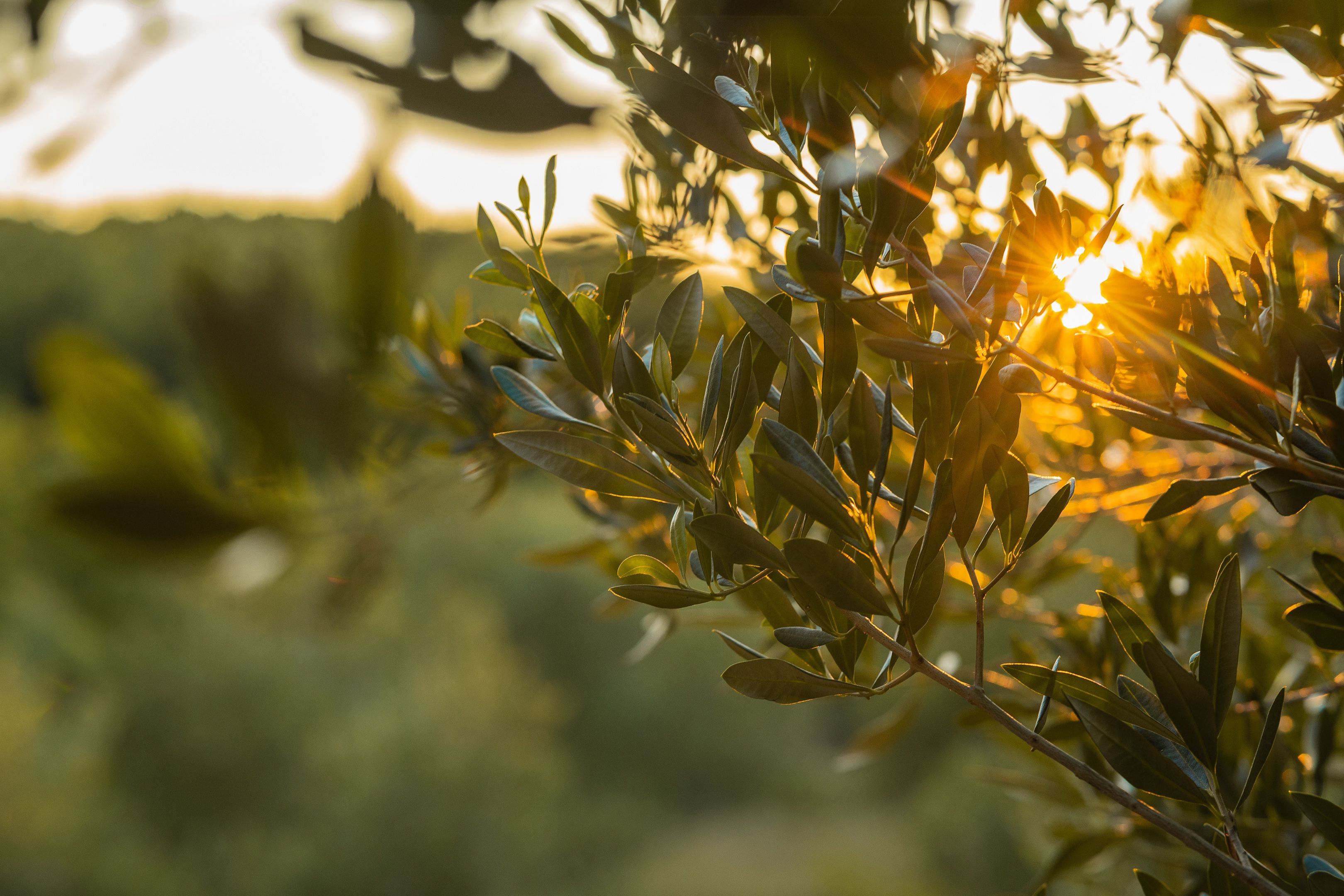
Winter: The Dormant Phase
Winter is a period of rest for olive trees. The cold temperatures slow down metabolic processes, allowing the trees to conserve energy. This dormancy is essential for the health of the tree as it prepares for the active growth phases in the following seasons. Pruning is often done during this time to remove dead branches and improve air circulation.
However, extreme winter conditions, such as frost, can damage olive trees. Frost can cause the cells in the trees to burst, leading to reduced yields. Thus, growers often take preventive measures, such as using frost protection techniques, to shield their crops.
Spring: The Awakening and Blooming
As temperatures rise in spring, olive trees awaken from their dormant state. This season is marked by the blooming of flowers, which is a critical phase for successful olive production. The flowers' health and number directly impact the potential yield of olives.
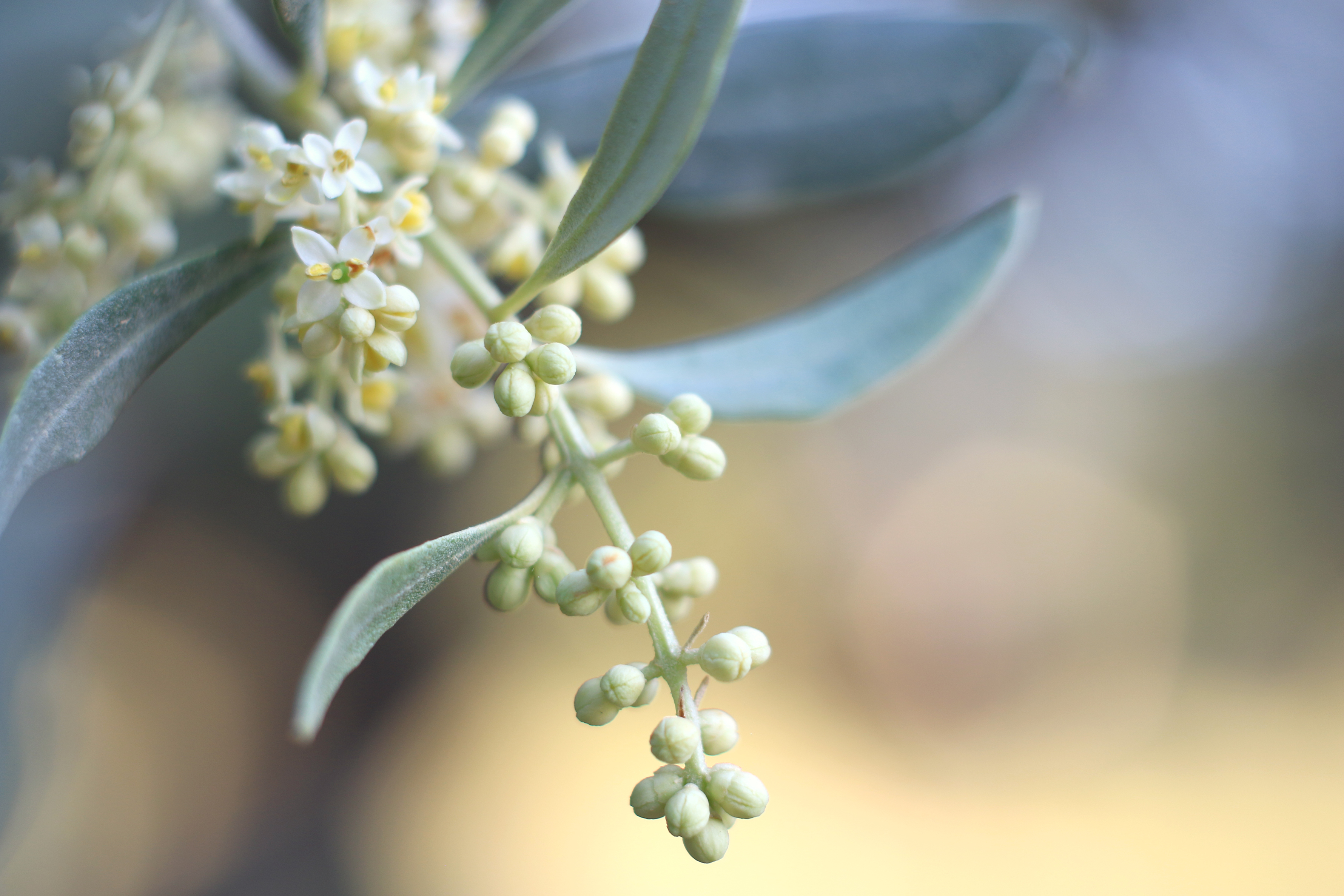
Pollination is another key aspect during spring. Favorable weather conditions, such as mild temperatures and moderate rainfall, enhance pollination success. Growers often monitor these conditions closely and may use supplementary pollination techniques if necessary.
Summer: Growth and Development
During summer, olive fruits begin to develop and grow. The warm weather and extended daylight hours provide the energy needed for the trees to produce olives. However, this season also presents challenges, such as water scarcity.
Effective irrigation practices are crucial during summer to ensure that olive trees receive the necessary water supply. Drought conditions can lead to water stress, affecting the size and quality of the olives. Growers often adopt drip irrigation systems to optimize water usage.

Autumn: Harvest and Preparation
Autumn is the season of harvest for many olive varieties. The timing of the harvest is critical, as it influences the flavor and quality of the olives and the oil produced from them. Early harvests typically yield greener olives with a more robust flavor, while later harvests result in riper, milder-tasting olives.
Besides harvesting, autumn is also a time for preparing the trees for the upcoming winter. This includes soil management, such as adding organic fertilizers, to replenish nutrients and enhance soil health.
Conclusion: Adapting to Seasonal Changes
In conclusion, the impact of seasonal changes on olive production is profound. Growers must adapt their practices to align with the unique demands of each season. By doing so, they can maximize their yield and produce high-quality olives that meet market demands.
Understanding the interplay between seasons and olive cultivation not only benefits growers but also contributes to sustainable agricultural practices. As climate patterns continue to shift, adaptability and knowledge become ever more vital in maintaining successful olive production.