The Impact of Arizona's Climate on Olive Farming


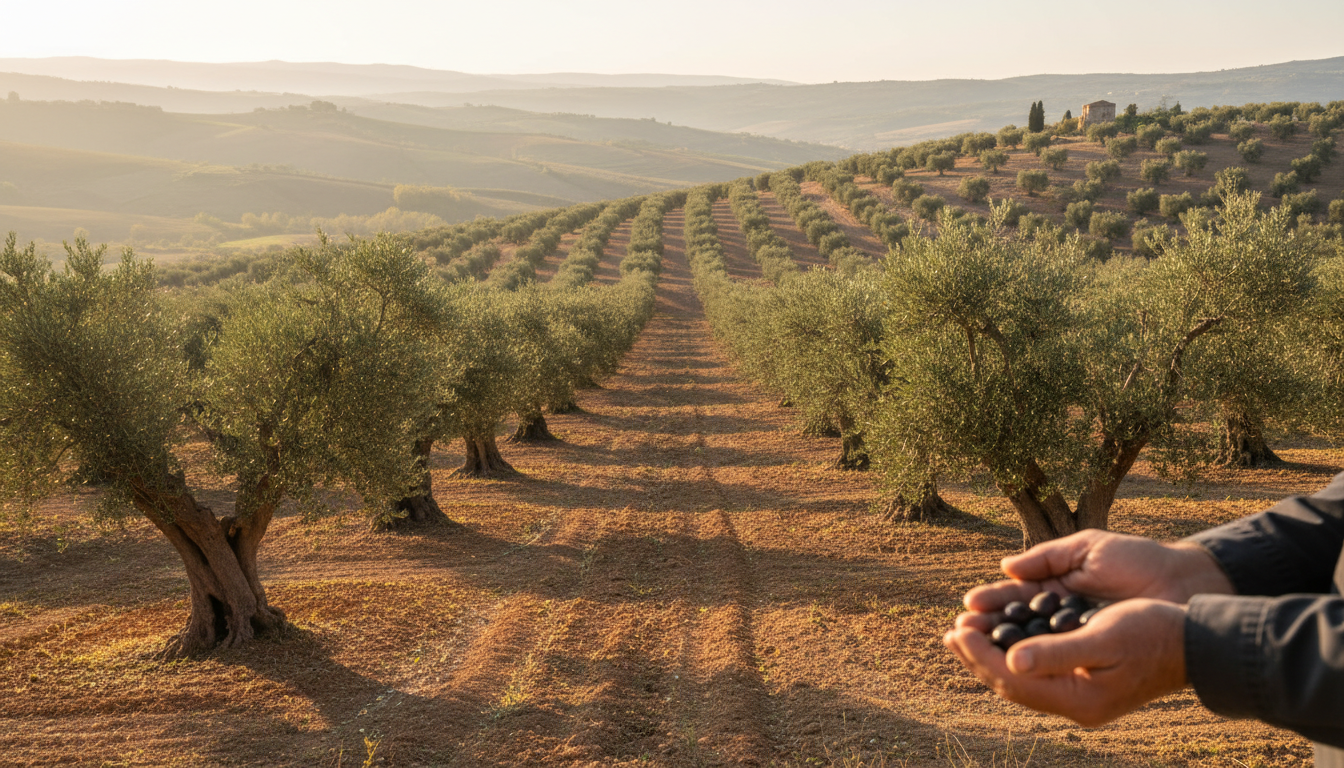
Arizona's unique climate presents both challenges and opportunities for olive farming. With its hot, arid environment, the state offers a distinct setting for cultivating olives, a crop typically associated with Mediterranean regions. Understanding the impact of Arizona's climate on olive farming is crucial for both emerging and seasoned farmers looking to optimize their harvests.
Understanding Arizona's Climate
The climate in Arizona is characterized by long, hot summers and mild winters. These conditions can be advantageous for olive trees, which thrive in warm climates. However, the extreme temperatures and low humidity can also pose risks, such as water scarcity and potential heat stress on the plants.
Despite these challenges, olive trees are remarkably resilient. They have adapted to withstand drought conditions, making them a suitable crop for Arizona's dry environment. Farmers can leverage this resilience to their benefit, provided they implement effective irrigation strategies.
Water Management Techniques
Given the arid climate, water management is a critical factor in successful olive farming in Arizona. Farmers often utilize drip irrigation systems to deliver water directly to the roots, minimizing waste and ensuring that the trees receive adequate hydration. This method helps combat the challenges posed by the state's limited water resources.
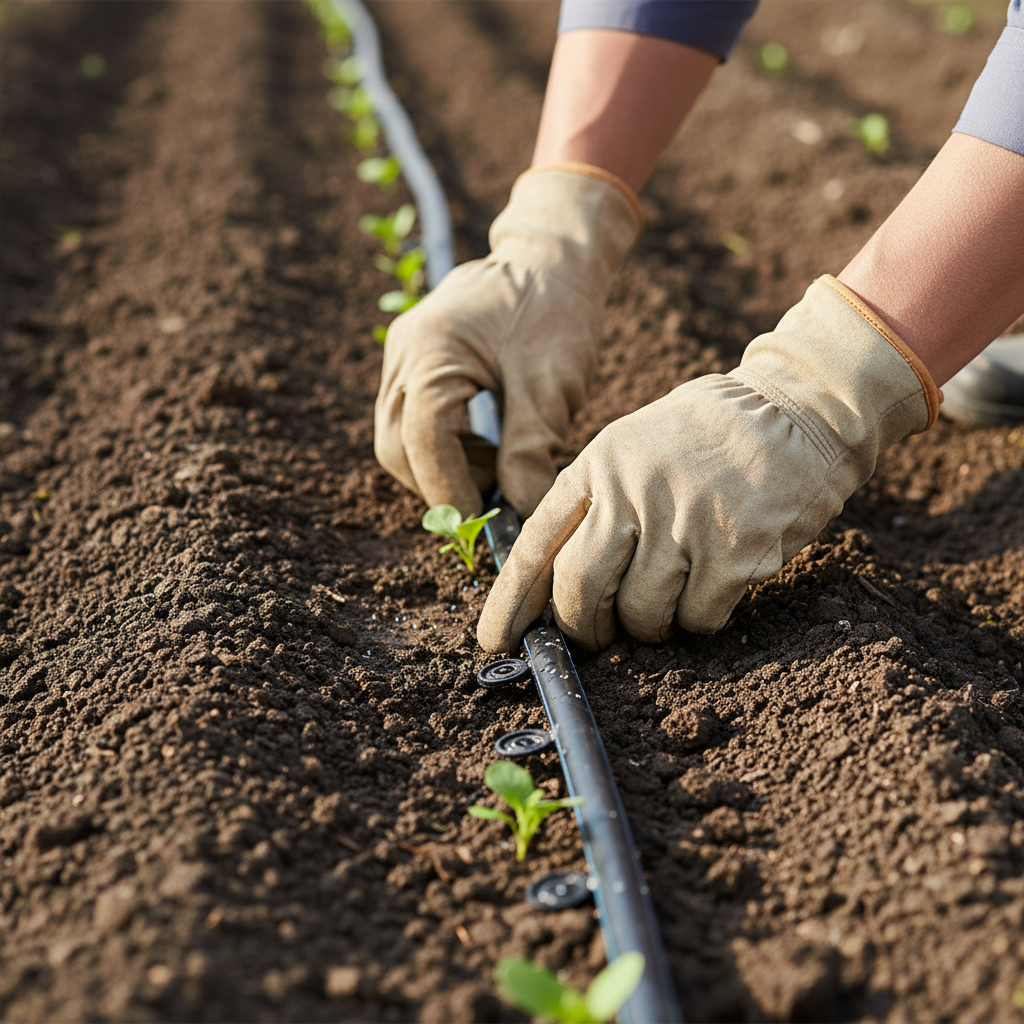
Additionally, rainwater harvesting and the use of mulch to retain soil moisture can further enhance water efficiency. By adopting these techniques, farmers can maintain the health of their olive groves even during periods of drought.
Soil and Nutrient Management
The soil in Arizona varies widely, from sandy to clay-rich compositions. Understanding the soil type is essential for optimizing olive production. Farmers may need to amend the soil with organic matter or fertilizers to ensure that the trees receive the necessary nutrients.
Proper soil management not only supports healthy tree growth but also influences the quality of the olives produced. Regular soil testing can help farmers make informed decisions about nutrient supplementation.

Pest and Disease Control
Arizona's climate, while advantageous in many ways, can also encourage certain pests and diseases that affect olive trees. Common issues include olive fruit fly and various fungal infections. Implementing integrated pest management (IPM) strategies can help mitigate these risks.
IPM strategies involve monitoring pest populations, using biological control methods, and applying targeted treatments only when necessary. This approach minimizes the impact on the environment and helps maintain sustainable farming practices.
Harvesting and Production
The timing of the olive harvest in Arizona is influenced by the climate, with most farmers harvesting between September and November. The hot summer months accelerate the ripening process, which can lead to earlier harvests compared to other regions.
Overall, Arizona's climate offers unique opportunities for olive farming. By understanding and adapting to the specific challenges posed by the environment, farmers can successfully cultivate high-quality olives, contributing to the growing olive oil industry in the state.