Myths vs. Facts: Common Misconceptions About Olive Oil


Understanding Olive Oil: Separating Myths from Facts
Olive oil, a staple in Mediterranean cuisine, has gained global popularity for its health benefits and flavor. However, with its rise in popularity, several myths have emerged. Let's explore some common misconceptions about olive oil and uncover the facts.
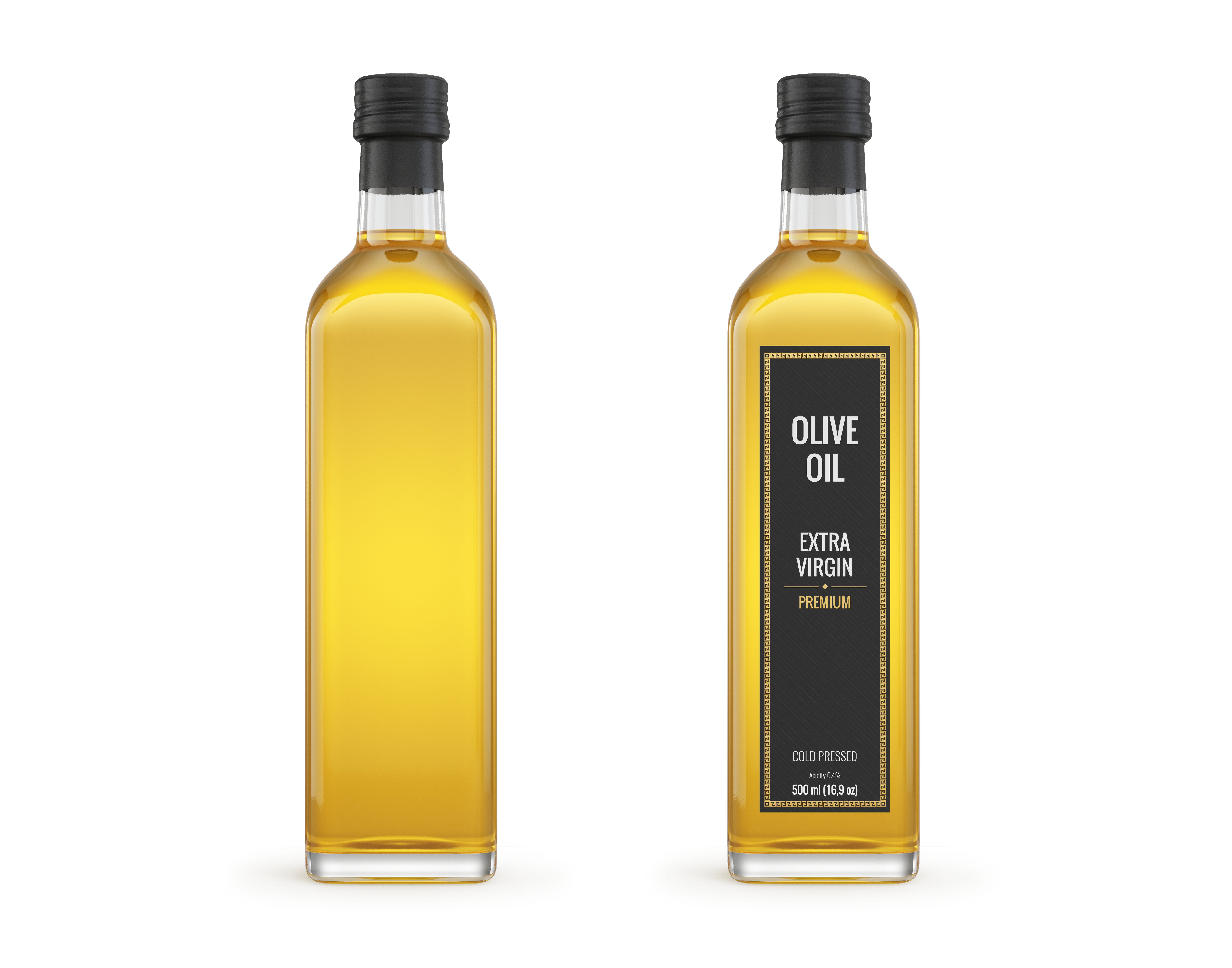
Myth: All Olive Oils Are the Same
One of the most prevalent myths is that all olive oils are identical. In reality, olive oil varies significantly in quality and flavor. The highest quality is extra virgin olive oil, which is cold-pressed and contains no chemical additives. It's important to distinguish between extra virgin, virgin, and refined olive oils.
When purchasing olive oil, look for labels that specify "extra virgin" to ensure you're getting the finest quality. This type is not only superior in taste but also retains more nutrients and antioxidants.
Myth: Olive Oil Is Not Suitable for Cooking
Another common misconception is that olive oil cannot withstand high temperatures and is unsuitable for cooking. Fact: Olive oil is excellent for cooking, including sautéing and frying. Its smoke point ranges from 350°F to 410°F, depending on the type, making it versatile for various culinary applications.

Using olive oil in cooking not only enhances the flavor of dishes but also retains many of its health benefits.
Myth: Olive Oil Should Be Stored in the Fridge
Some believe that refrigerating olive oil is the best way to preserve it. However, storing olive oil in the fridge can cause it to solidify and lose its flavor. Instead, keep it in a cool, dark place, such as a pantry, to maintain its quality. The ideal storage temperature is between 60°F and 77°F.
Myth: Light Olive Oil Is Healthier
The term "light" in olive oil refers to its flavor and color, not its calorie content. All olive oils contain roughly the same number of calories and fat. Choosing "light" olive oil does not offer any health advantage over other types. For the best nutritional value, opt for extra virgin olive oil.
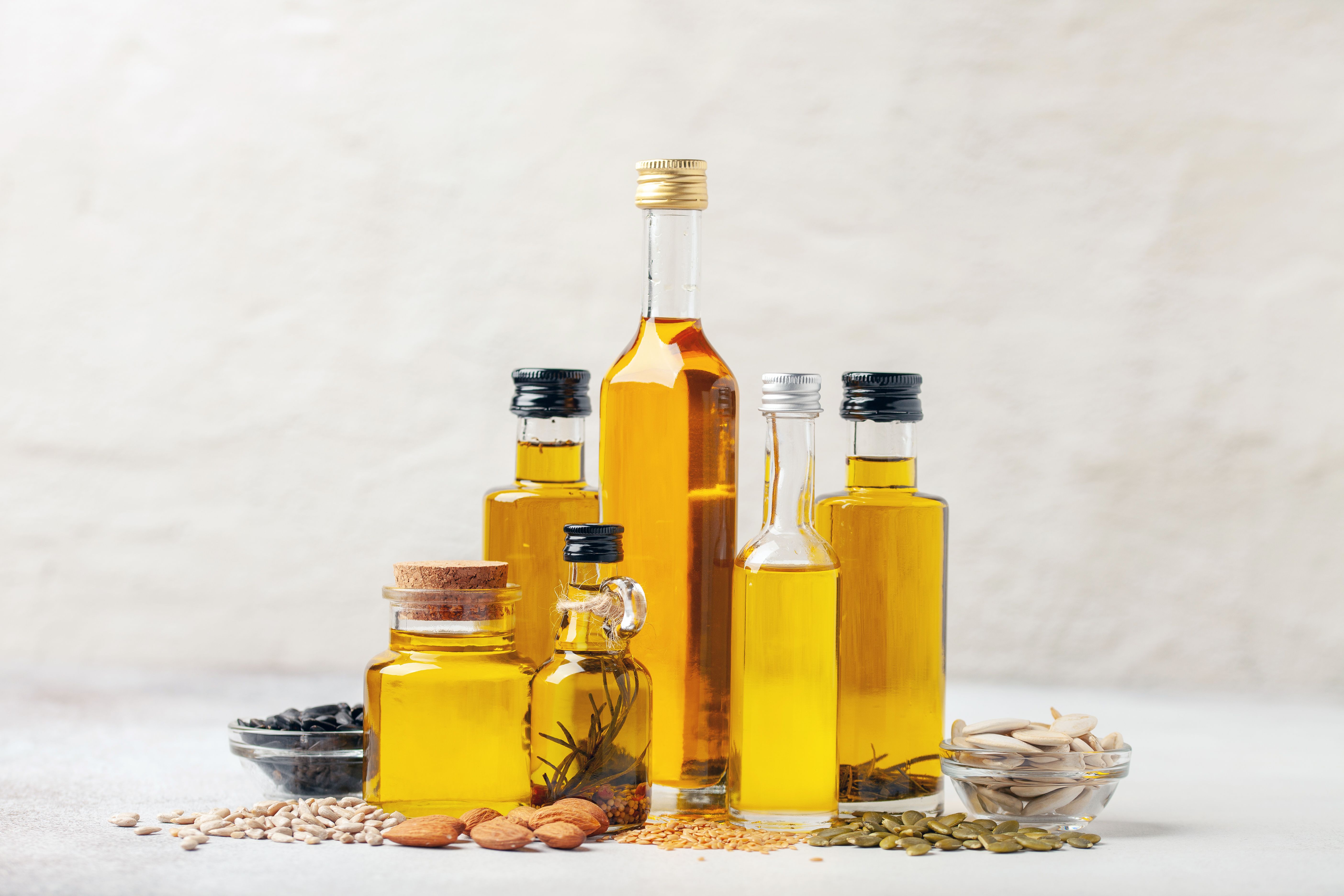
Fact: Olive Oil Is Rich in Antioxidants
It's true that olive oil is abundant in antioxidants and healthy monounsaturated fats. These compounds contribute to its reputation as a heart-healthy choice. Regular consumption of olive oil can support cardiovascular health and reduce inflammation.
Incorporating olive oil into your daily diet can be a simple yet effective way to enhance overall well-being.
Conclusion: Choose Wisely
Understanding the facts about olive oil is crucial for making informed choices. By debunking these myths, we can appreciate the true value of this versatile and nutritious oil. Always check labels, store it correctly, and enjoy its myriad health benefits.