Myth-Busting: Common Misconceptions About Olive Farming


The World of Olive Farming: Unveiling the Truths
Olive farming is often shrouded in myths and misconceptions. These misunderstandings can affect consumer perceptions and even the decisions of aspiring olive farmers. In this post, we’ll debunk some of the most common myths and shed light on the fascinating world of olive cultivation.

Myth 1: Olive Trees Require Constant Attention
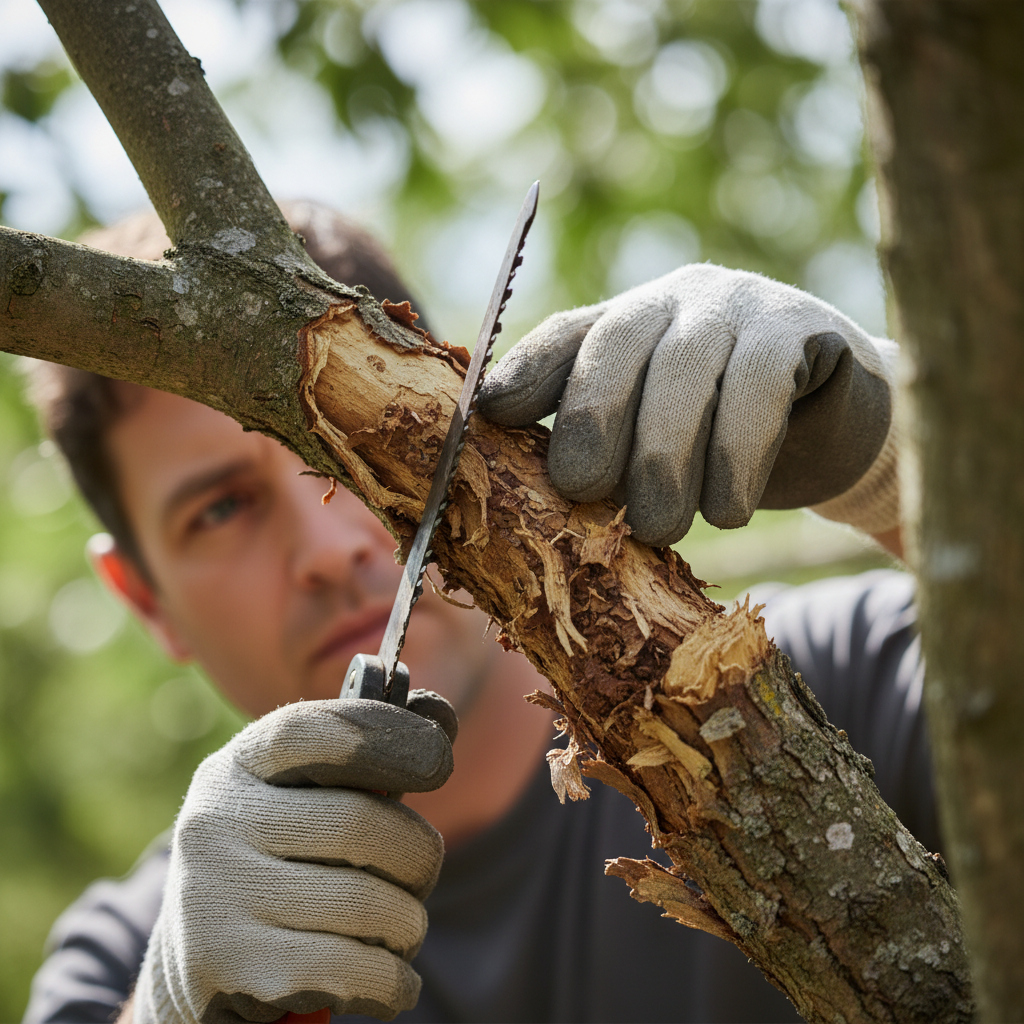
One of the most pervasive myths is that olive trees need constant care and attention. While they do require a level of maintenance, olive trees are actually quite resilient. They are drought-resistant and can thrive in various soil types with minimal intervention. Regular pruning and occasional pest control are essential, but they do not demand the daily attention that many believe.
In fact, olive trees are known for their ability to withstand harsh conditions, making them a popular choice for sustainable farming practices. Their low water requirements make them an environmentally friendly option for farmers.
Myth 2: All Olive Oils Are Created Equal
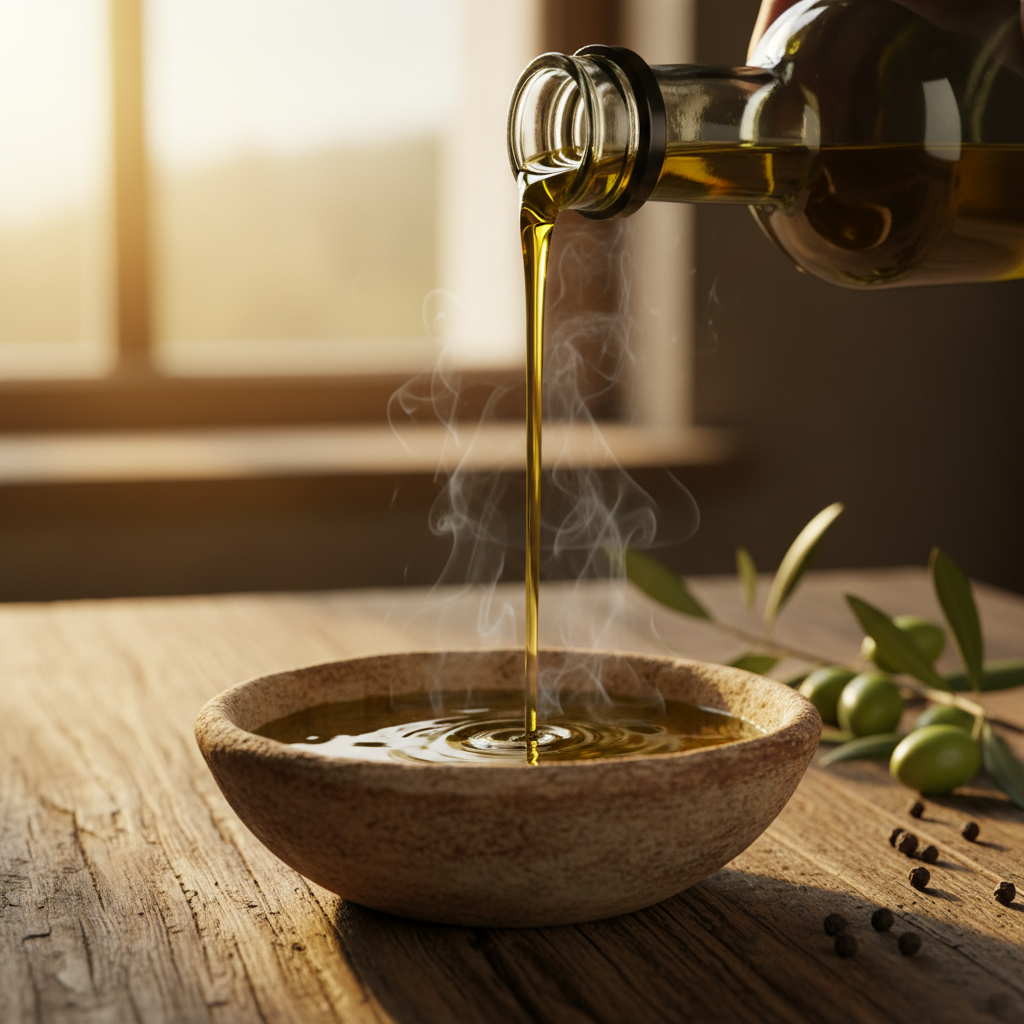
Another common misconception is that all olive oils are the same. However, the quality of olive oil can vary significantly depending on factors like olive variety, harvesting methods, and processing techniques. Extra virgin olive oil, for instance, is considered the highest quality due to its minimal processing and rich flavor profile.
Understanding the differences in olive oil quality can enhance your appreciation of this versatile product and help you make informed purchasing decisions.
Myth 3: Olive Farming Is Not Profitable
The belief that olive farming is not a profitable venture is another myth that needs debunking. With the global demand for olive oil consistently rising, there are ample opportunities for profitability. Factors such as location, farm size, and production methods play crucial roles in determining the financial success of an olive farm.
Investing in modern equipment and sustainable practices can further boost profitability, making olive farming a viable and lucrative business.
Myth 4: Olives Are Only Grown in the Mediterranean
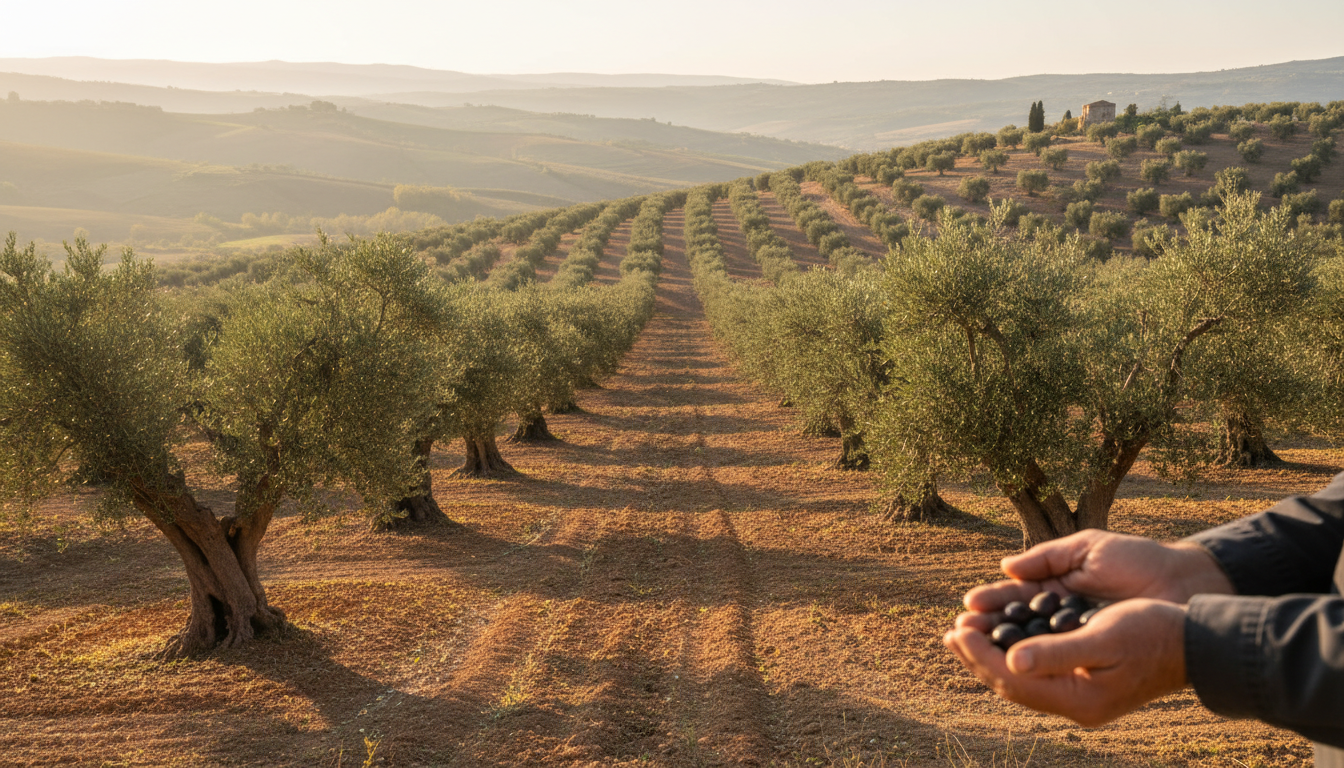
While the Mediterranean region is famous for olive cultivation, olives are not exclusive to this area. They can be grown in various parts of the world, including the United States, Australia, and South America. The adaptability of olive trees allows them to flourish in diverse climates.
This global expansion of olive farming has contributed to the availability of different olive varieties and oil flavors, enriching the market with unique products.
Understanding the Realities of Olive Farming
By dispelling these myths, we gain a clearer understanding of what olive farming truly entails. Embracing the realities of olive cultivation allows both consumers and producers to make better-informed decisions and appreciate the rich heritage and potential of this ancient practice.
As the industry continues to grow and evolve, staying informed about the truths of olive farming will help support sustainable practices and enhance the quality of products available to consumers worldwide.