Myth-Busting: Common Misconceptions About Olive Farming


Understanding Olive Farming
Olive farming is an ancient practice steeped in tradition and surrounded by several misconceptions. While olives are a staple in many diets and cultures, the process of cultivating them is often misunderstood. This blog post aims to debunk some of the most common myths about olive farming.
Myth 1: Olives Are Easy to Grow
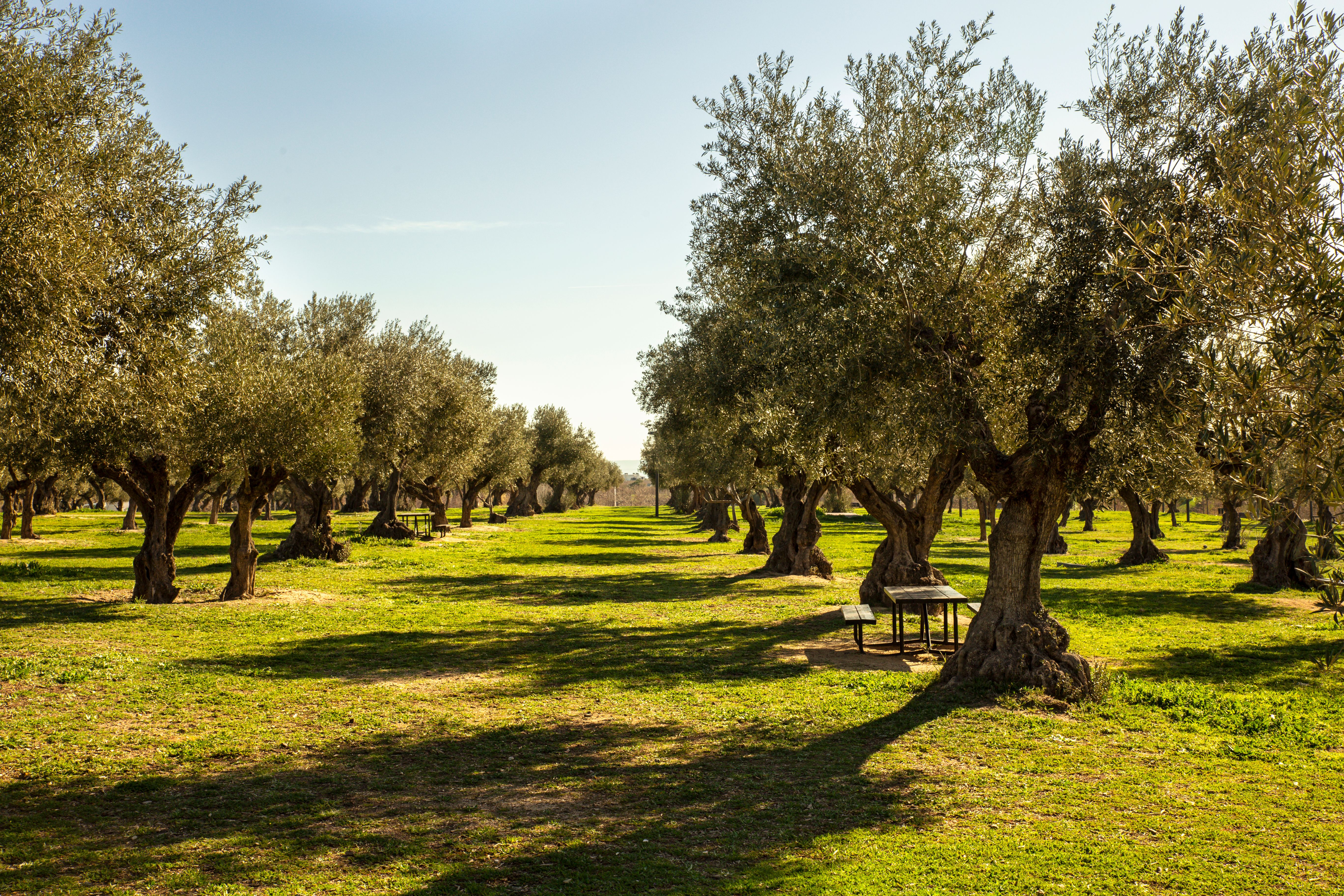
One widespread myth is that olives are easy to grow anywhere. In reality, olive trees require specific conditions to thrive. They need a Mediterranean climate, characterized by hot, dry summers and mild, wet winters. Additionally, olive trees require well-draining soil and plenty of sunlight. Without these conditions, olives may not produce the abundant harvests expected.
Myth 2: Olive Trees Produce Fruit Immediately
Many people believe that olive trees start producing fruit shortly after planting. However, it typically takes several years for an olive tree to mature enough to bear fruit. Most trees begin to produce olives between 3 to 12 years after planting, depending on the variety and growing conditions.

The Intricacies of Olive Harvesting
Another area rife with misconceptions is the harvesting process. Olive harvesting is a labor-intensive activity that requires careful planning and execution. Let's explore some common myths about this critical stage in olive production.
Myth 3: All Olives Are Harvested in the Same Way
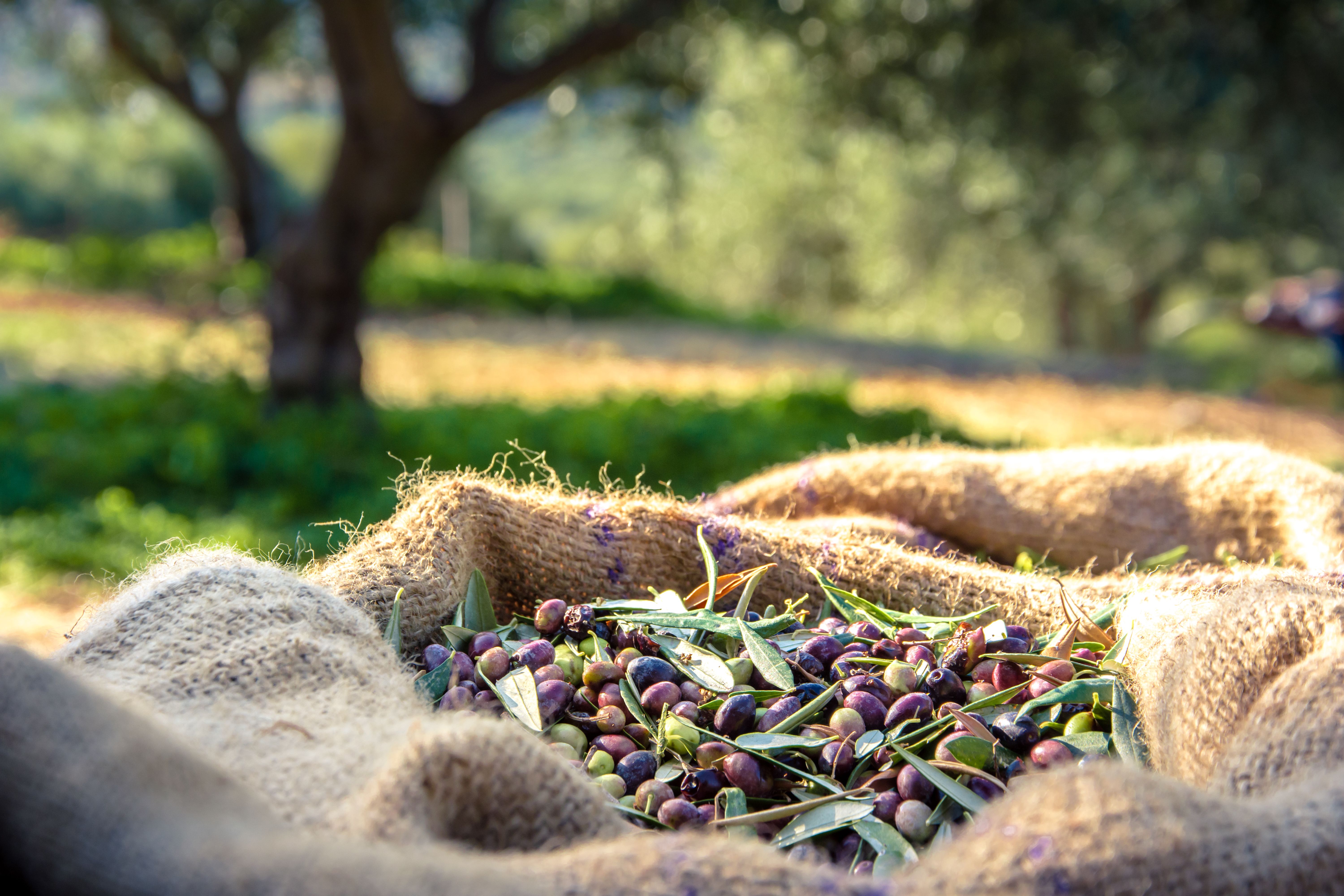
Contrary to popular belief, not all olives are harvested using the same methods. Some farms use traditional hand-picking techniques, while others employ modern machinery to shake the trees and collect the fruit. The method chosen often depends on the size of the farm, the type of olives grown, and the desired quality of the oil produced.
Myth 4: Green and Black Olives Come from Different Trees
A common misconception is that green and black olives are from different trees. In reality, they are the same fruit, just harvested at different stages of ripeness. Green olives are picked before they ripen, while black olives are left on the tree to mature fully.
The Role of Technology in Olive Farming
Technology plays a crucial role in modern olive farming, yet many still hold outdated views about the industry's reliance on traditional methods. Let's explore how technology is changing the landscape of olive cultivation.
Myth 5: Olive Farming Is Stuck in the Past
While olive farming has ancient roots, modern technology is increasingly being integrated into the process. From advanced irrigation systems to drones monitoring crop health, technology helps improve efficiency and yields. Farmers are constantly adapting to new advancements to stay competitive and sustainable.

In conclusion, olive farming is a complex and nuanced practice that goes beyond the myths. By understanding the realities of olive cultivation, from growth conditions to harvesting techniques and technological advancements, we can better appreciate the dedication and expertise required to produce this beloved fruit.