How to Choose the Right Olive Products: A Buyer's Guide


Understanding the Types of Olive Products
When it comes to choosing olive products, understanding the different types available is crucial. Olive oil is perhaps the most well-known, but there are various products such as olive paste, table olives, and olive leaf extracts. Each offers unique flavors and benefits, making it important to identify what suits your needs best.
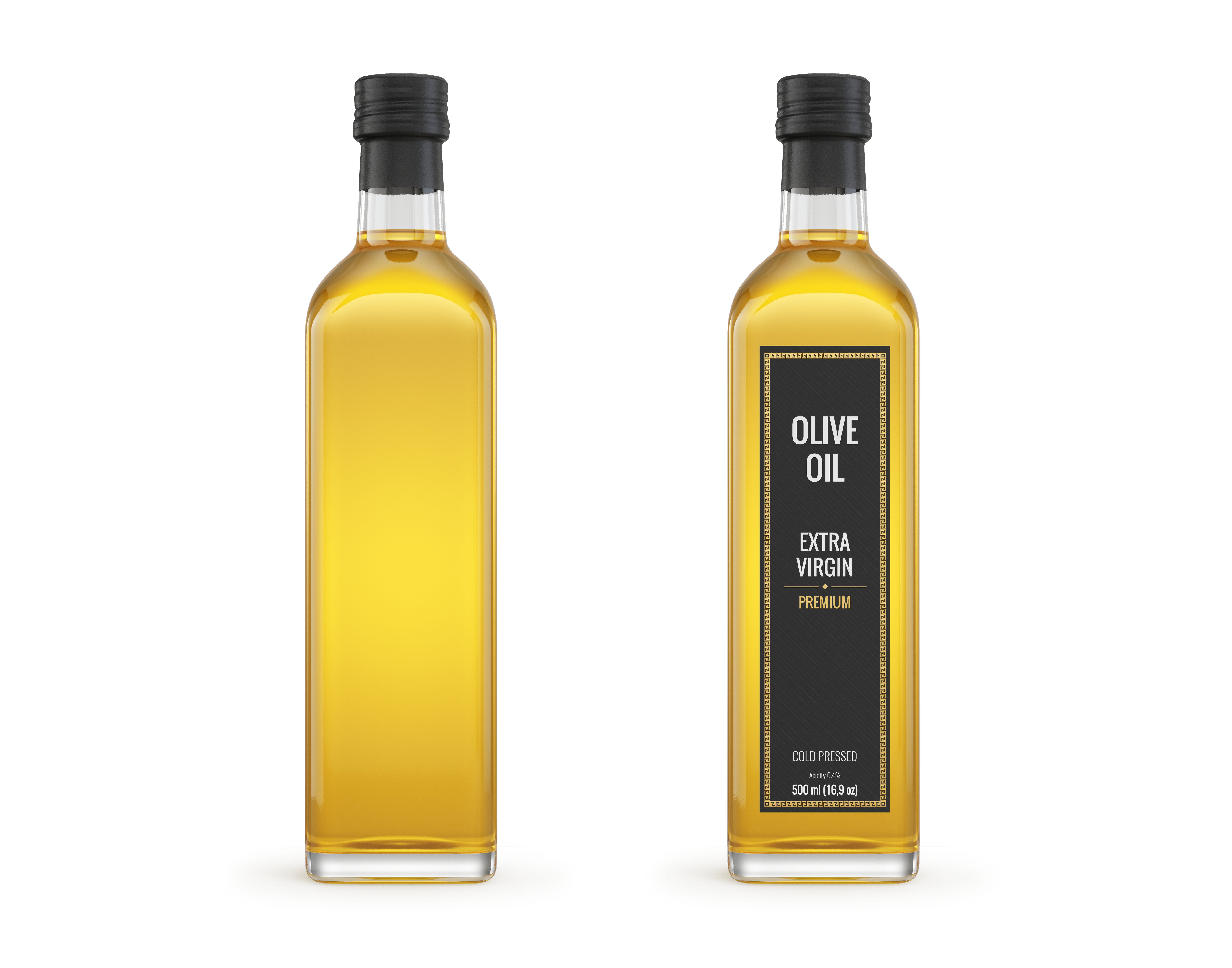
Olive oil comes in several varieties, including extra virgin, virgin, and refined. Extra virgin olive oil is considered the highest quality due to its minimal processing and superior flavor. Virgin olive oil is slightly more processed, while refined olive oil undergoes further refining, resulting in a lighter taste.
Consider the Origin and Production Methods
The origin of olive products can greatly influence their quality and taste. Mediterranean countries like Italy, Spain, and Greece are renowned for producing high-quality olives. Pay attention to the label to ensure the product's origin aligns with your preferences.
Production methods also play a significant role. Cold-pressed olive oils maintain more nutrients and flavor compared to those that undergo heat extraction. Look for terms like "cold-pressed" or "first-pressed" on labels for premium quality.
Assessing Quality and Freshness
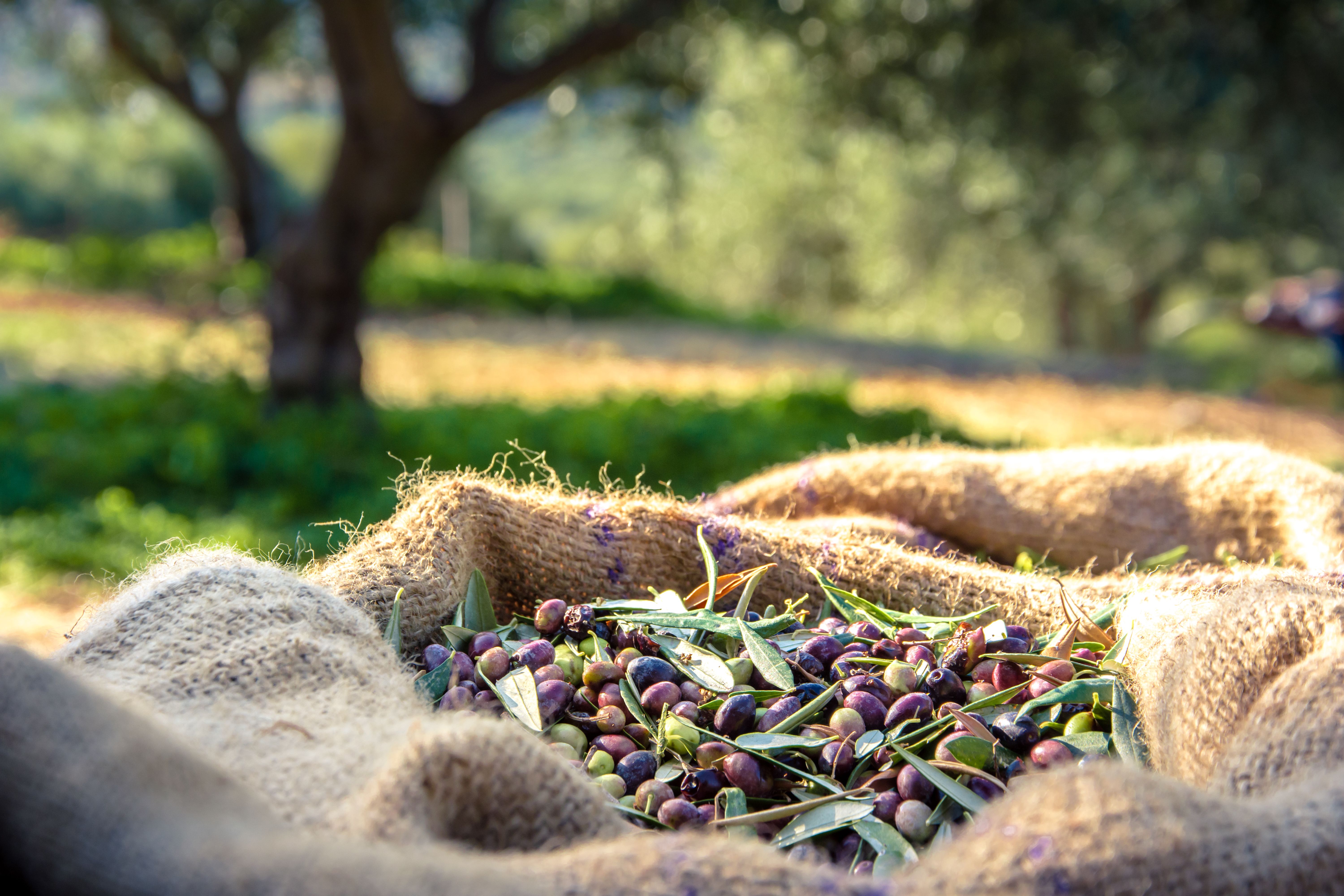
Quality and freshness are vital factors when selecting olive products. For olive oil, check the harvest date on the label. Fresher oils have a more vibrant taste and higher antioxidant levels. Ideally, consume them within 18 months of harvest.
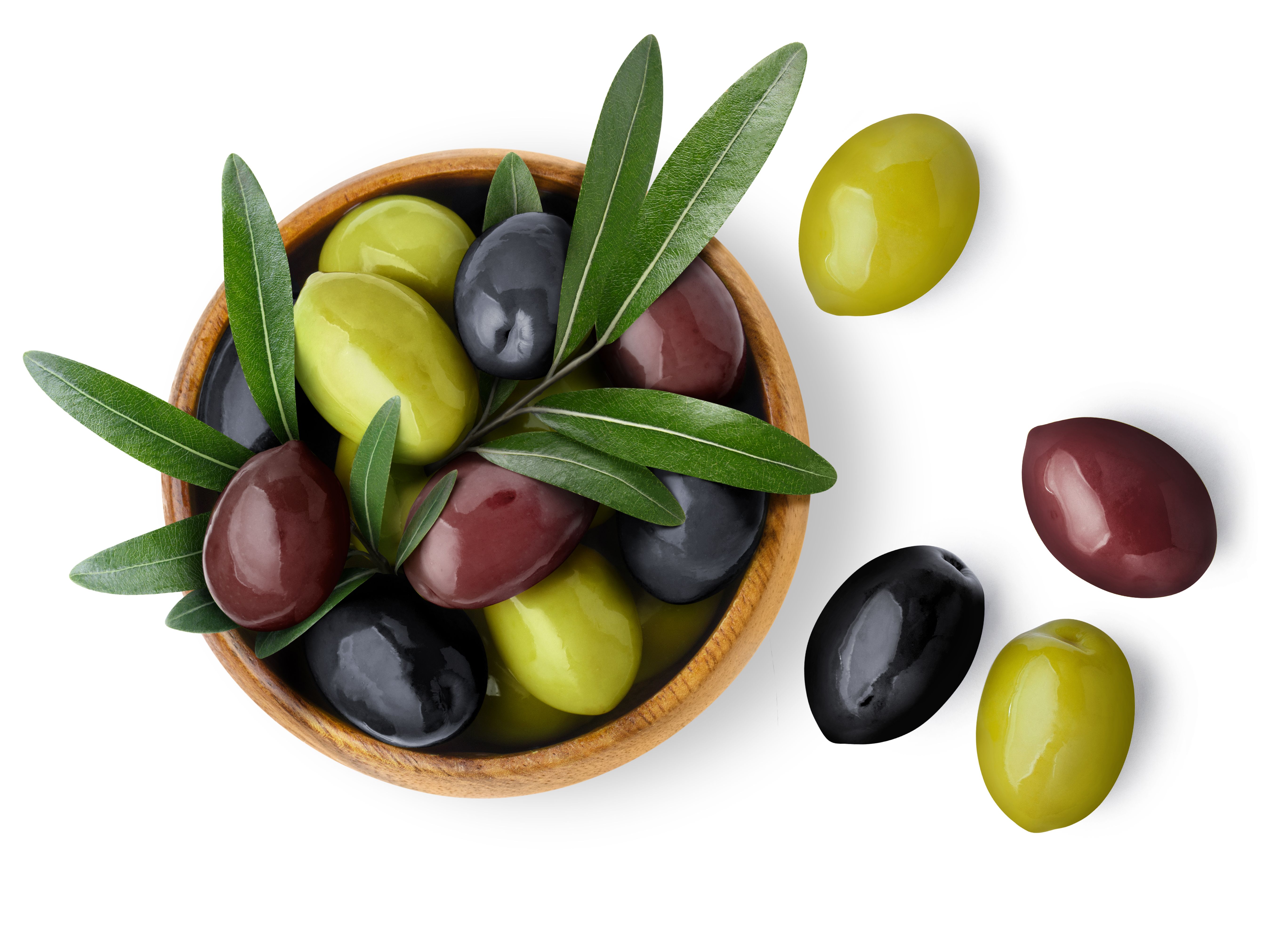
For table olives, freshness can be judged by their texture and color. Fresh olives should be firm, plump, and free of blemishes. Avoid olives that appear shriveled or discolored.
Understanding Flavor Profiles and Pairings
Different olive products offer a wide range of flavors, from mild and buttery to robust and peppery. Extra virgin olive oil, for example, can vary greatly in taste depending on the type of olives used and their ripeness at harvest.
Consider how you plan to use the olive product. A mild oil may be perfect for baking, while a robust, peppery oil might be better suited for drizzling over salads or grilled vegetables. Experiment with different varieties to discover your favorite combinations.
Budget Considerations
Olive products can vary in price, often reflecting their quality and production methods. Higher-priced products typically offer superior flavor and nutritional benefits. However, you can still find good-quality options that suit a more modest budget. Compare different brands and read reviews to make an informed decision.
Remember, investing in quality olive products can enhance your culinary creations and provide numerous health benefits, making it a worthwhile addition to your pantry.