How Olivery Orchards Adapts to Arizona's Climate Challenges


Understanding Arizona's Unique Climate
Arizona is known for its arid and semi-arid climate, characterized by scorching summers and minimal rainfall. This presents a unique set of challenges for agricultural endeavors, particularly for those who cultivate delicate crops like olives. However, Olivery Orchards has not only risen to the occasion but has also thrived by implementing innovative strategies and sustainable practices tailored to these environmental conditions.
The key to their success lies in understanding and leveraging the state's natural resources. By focusing on water conservation, soil health, and crop resilience, Olivery Orchards has become a model for sustainable agriculture in desert climates.

Water Conservation Techniques
Water is a precious resource in Arizona, and Olivery Orchards has adopted several techniques to ensure its efficient use. One of the primary methods employed is drip irrigation, which delivers water directly to the roots of the plants. This minimizes evaporation and ensures that each tree receives the optimal amount of moisture.
In addition to drip irrigation, the orchards utilize rainwater harvesting systems. These systems collect and store rainwater during the wet season, providing an additional water source during dry spells. This dual approach not only conserves water but also reduces the reliance on municipal water supplies.

Enhancing Soil Health
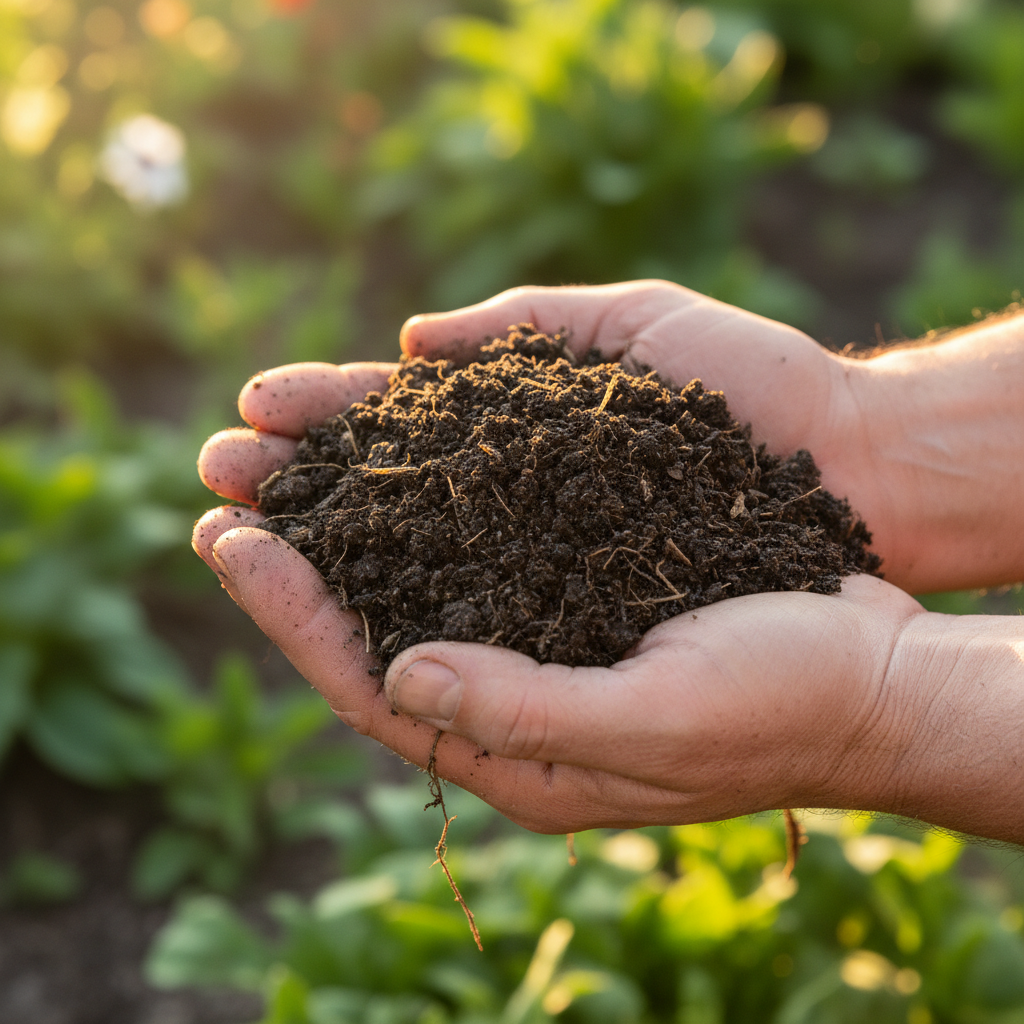
Healthy soil is essential for robust crop growth, and in Arizona's challenging climate, it becomes even more critical. Olivery Orchards enhances soil health through organic farming practices. By incorporating compost and natural fertilizers, the orchards improve soil fertility and structure, allowing for better water retention and nutrient absorption.
Moreover, cover cropping is employed to prevent soil erosion and maintain a balanced ecosystem. These plants help protect the soil from harsh weather conditions and contribute to the overall health of the orchard by fixing nitrogen and adding organic matter.
Choosing Resilient Crop Varieties
The selection of crop varieties is another crucial aspect of Olivery Orchards' strategy. By choosing olive varieties that are naturally resistant to drought and high temperatures, the orchards can maintain high yields despite challenging conditions. These varieties have adapted to thrive in desert climates, ensuring a sustainable harvest year after year.
Research and experimentation play a significant role in this process. Olivery Orchards continually tests new varieties and techniques to stay ahead of climate challenges and capitalize on the latest agricultural advancements.
Implementing Innovative Technologies
Technology is a cornerstone of Olivery Orchards' adaptive strategies. The use of smart sensors and automated systems allows for real-time monitoring of soil moisture levels, weather conditions, and plant health. This data-driven approach enables precise irrigation and fertilization, optimizing resource use and reducing waste.
Furthermore, the integration of solar power systems supports sustainable energy use, reducing the orchard's carbon footprint and further aligning with eco-friendly practices.

Community Engagement and Education
Olivery Orchards recognizes the importance of community involvement in addressing climate challenges. By hosting workshops and educational programs, they share their knowledge and experiences with other local farmers and the broader community. These initiatives foster collaboration and inspire others to adopt sustainable practices.
Through partnerships with local universities and agricultural organizations, Olivery Orchards contributes to ongoing research and development efforts, ensuring that they remain at the forefront of sustainable agriculture.
A Model for the Future
As climate challenges continue to impact agriculture globally, Olivery Orchards stands as a beacon of innovation and resilience. By embracing sustainable practices, leveraging technology, and engaging with the community, they have not only adapted to Arizona's climate challenges but have also set a standard for others to follow.
Their success story is a testament to the power of adaptability and forward-thinking in agriculture, offering hope and inspiration to farmers facing similar challenges worldwide.