Expert Tips on Sustainable Farming Practices for Arizona Orchards


The Importance of Sustainable Farming in Arizona Orchards
Arizona, known for its diverse climate and unique landscapes, presents both challenges and opportunities for orchard farming. Implementing sustainable practices is crucial for maintaining soil health, conserving water, and ensuring long-term productivity. In this post, we'll explore expert tips on how to enhance the sustainability of your orchard.
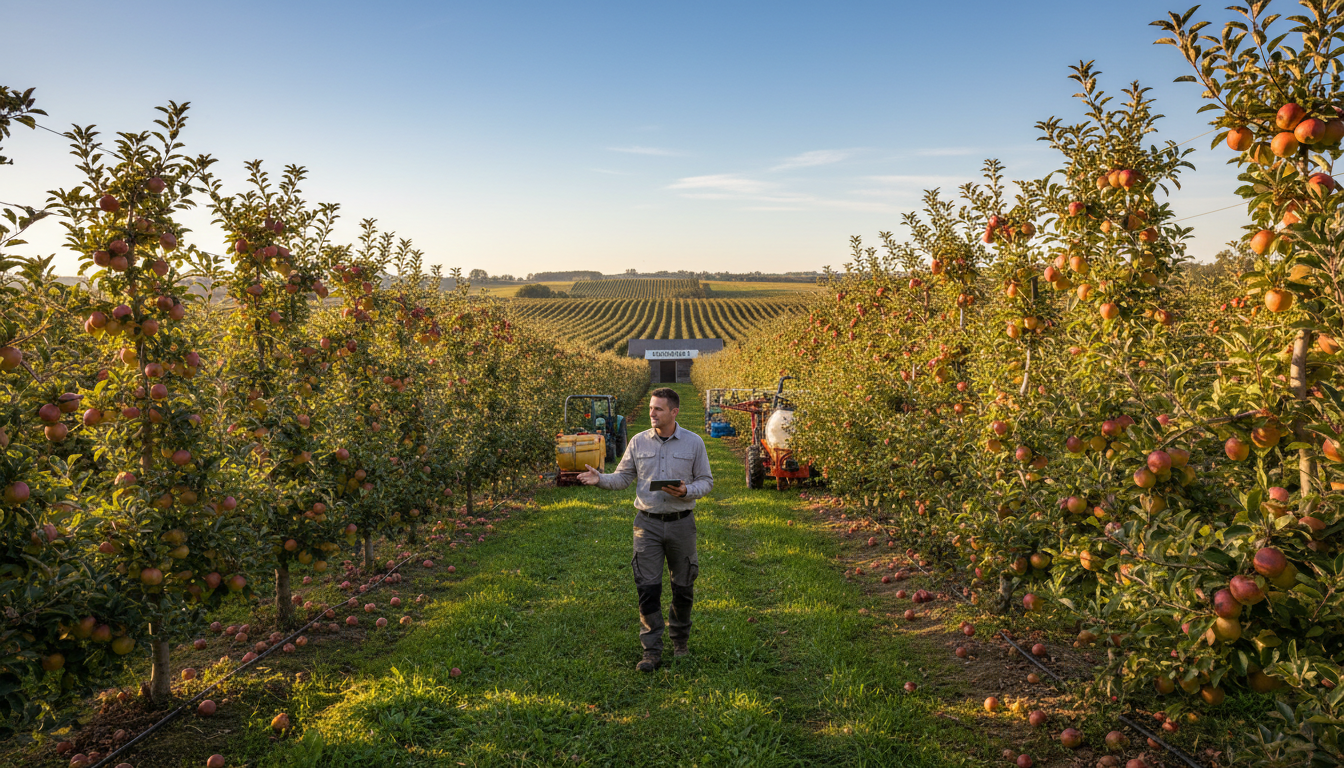
Water Conservation Techniques
Water is a precious resource in Arizona. Implementing efficient irrigation systems can significantly reduce water usage. Drip irrigation, for example, delivers water directly to the plant roots, minimizing evaporation. Additionally, mulching around trees can help retain soil moisture, reducing the need for frequent watering.
Consider scheduling irrigation during cooler parts of the day, such as early morning or late evening, to further minimize evaporation. This practice not only conserves water but also supports healthy plant growth.
Soil Health Management
Maintaining healthy soil is fundamental to any sustainable farming practice. Incorporating organic matter, such as compost or green manure, can improve soil structure and fertility. These additions enhance the soil's ability to retain moisture and provide essential nutrients to orchard trees.
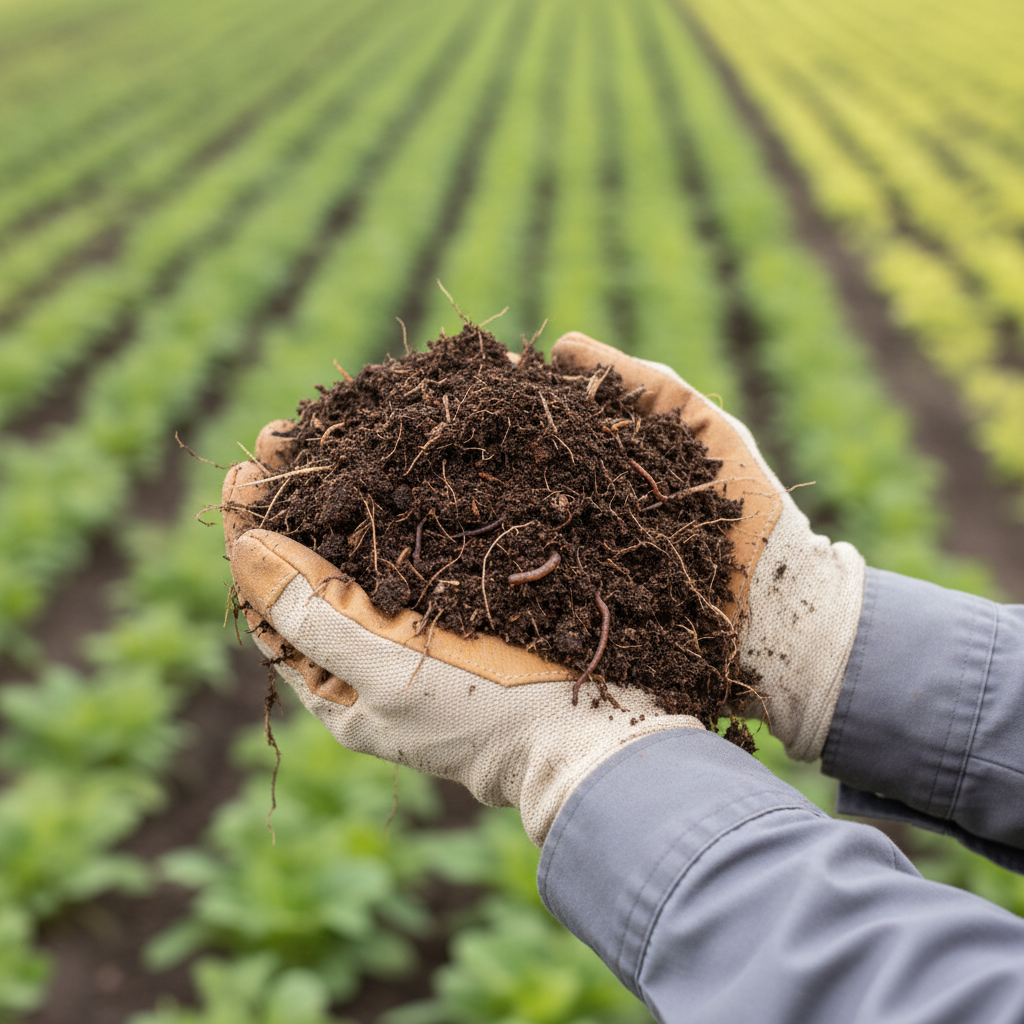
Regular soil testing is also recommended to monitor nutrient levels and pH balance. This data allows farmers to make informed decisions about fertilization, ensuring that only necessary amendments are applied.
Integrated Pest Management (IPM)
Sustainable pest management is essential to protect crops while minimizing environmental impact. Integrated Pest Management (IPM) involves using a combination of biological, cultural, and mechanical controls to manage pests. Encouraging beneficial insects, such as ladybugs and lacewings, can help naturally control pest populations.
Regular monitoring and early detection are key components of IPM. By identifying pests early, farmers can take targeted actions to prevent widespread infestations, reducing the need for chemical interventions.
Crop Diversification and Rotation
Introducing a variety of crops can enhance biodiversity and reduce the risk of disease and pest outbreaks. Crop diversification also helps improve soil health by varying the nutrient demands on the soil. Rotation, on the other hand, can break pest and disease cycles, promoting a healthier orchard environment.
Consider planting cover crops during off-seasons to prevent soil erosion and improve organic matter content. This practice not only enriches the soil but also provides habitat for beneficial organisms.
Renewable Energy Sources
Incorporating renewable energy sources, such as solar panels, can further enhance the sustainability of your orchard. Solar energy can power irrigation systems, reducing reliance on fossil fuels and lowering operational costs.

Adopting renewable energy solutions demonstrates a commitment to sustainability and can provide long-term economic benefits to your farming operations.
Conclusion
By implementing these expert tips, Arizona orchard farmers can promote sustainability, ensuring the health and productivity of their operations for years to come. Embracing water conservation, soil management, integrated pest control, crop diversification, and renewable energy are crucial steps towards a more sustainable future in agriculture.