Expert Tips for Successful Olive Cultivation in Arid Regions


Understanding Olive Tree Varieties
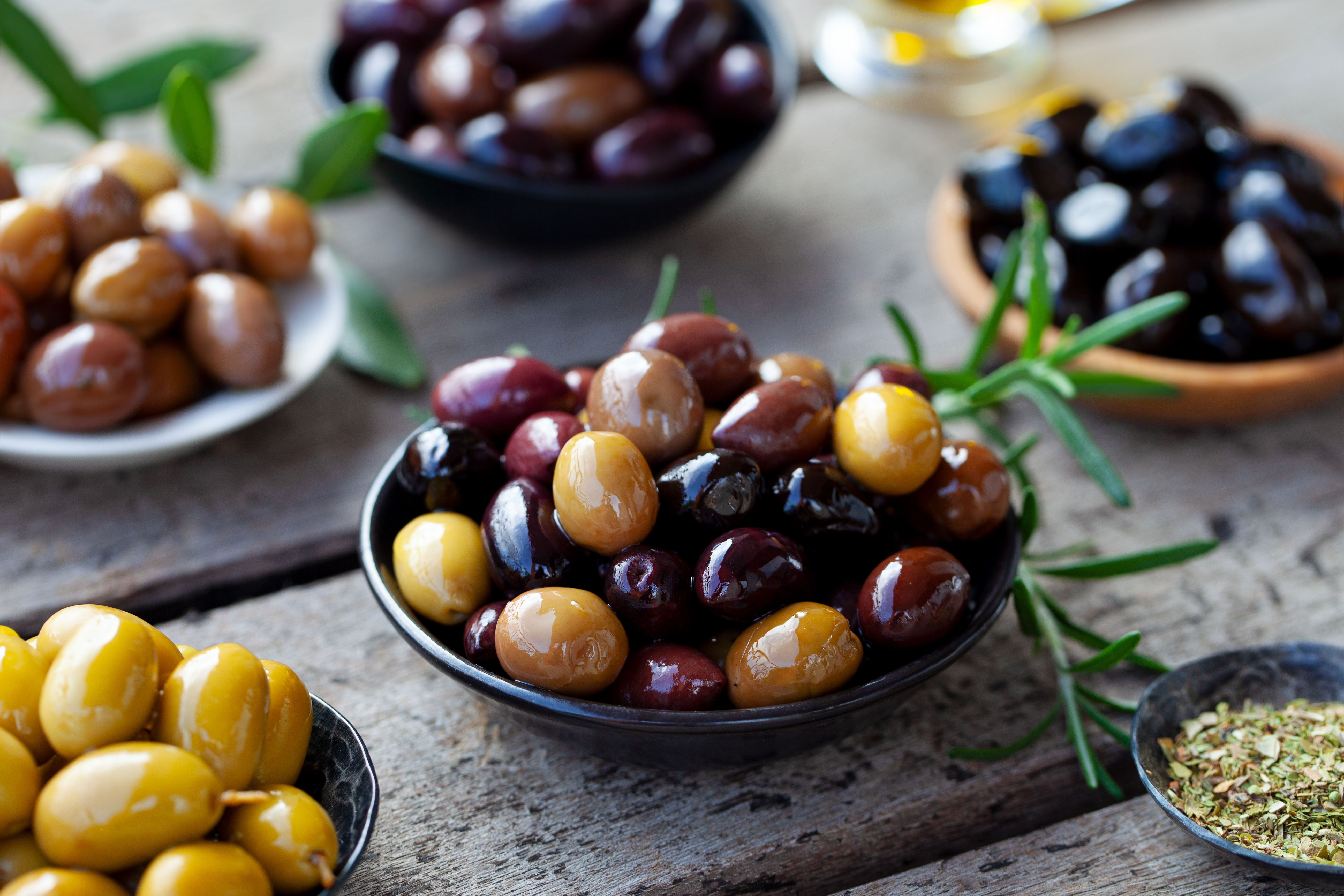
Olive trees are remarkably resilient, making them suitable for cultivation in arid regions. However, selecting the right variety is crucial. Some varieties, such as Arbequina and Koroneiki, are known for their drought tolerance and can thrive in dry climates. Understanding the characteristics of each variety can help you make an informed decision.
Soil Preparation and Quality
The quality of soil is a significant factor in successful olive cultivation. Olives prefer well-draining, sandy, or loamy soils. Before planting, it's essential to test the soil pH and nutrient levels. Olive trees thrive in slightly alkaline soil, with a pH range between 6.5 and 8.5. Amending the soil with organic matter can improve fertility and structure.
Irrigation Strategies
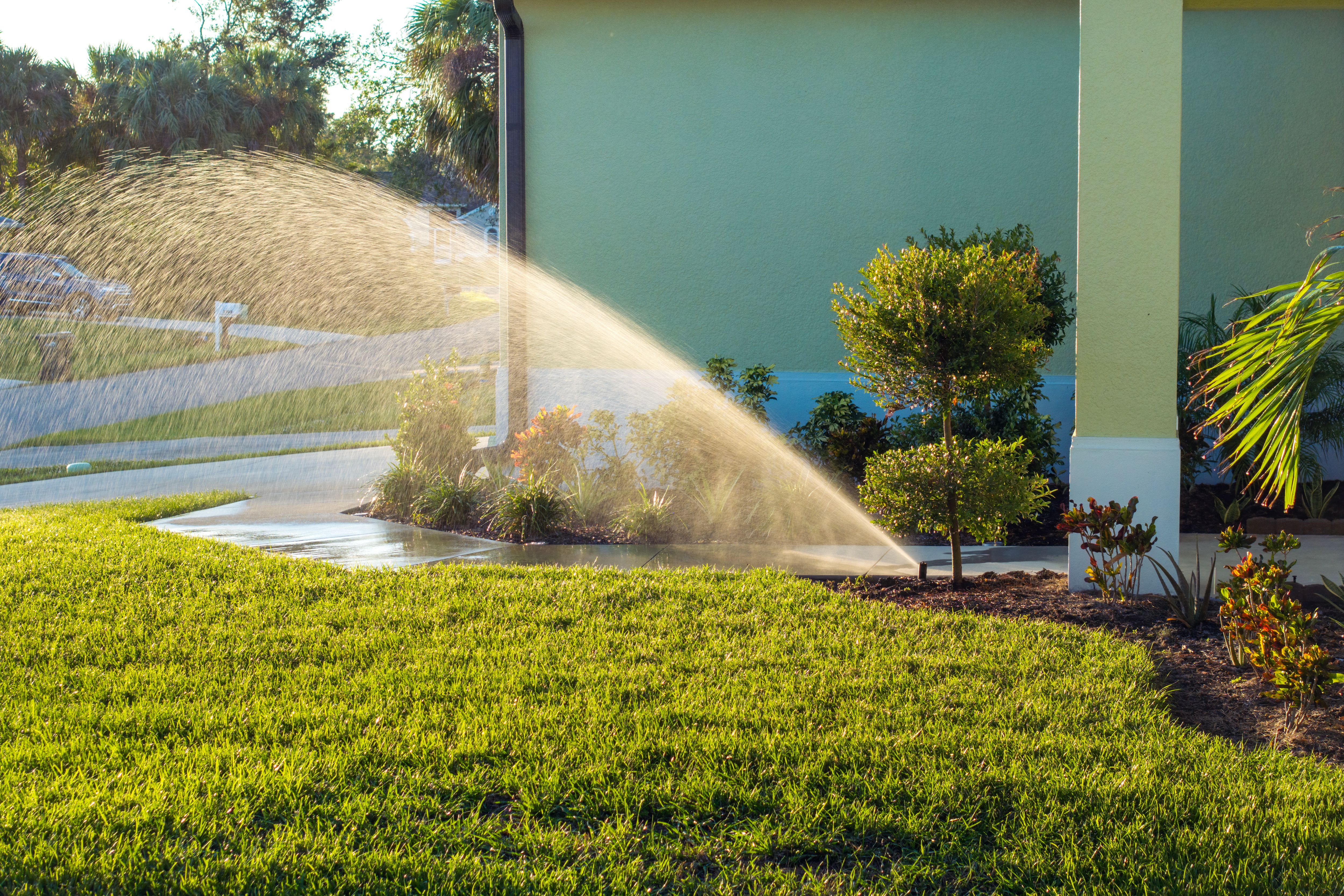
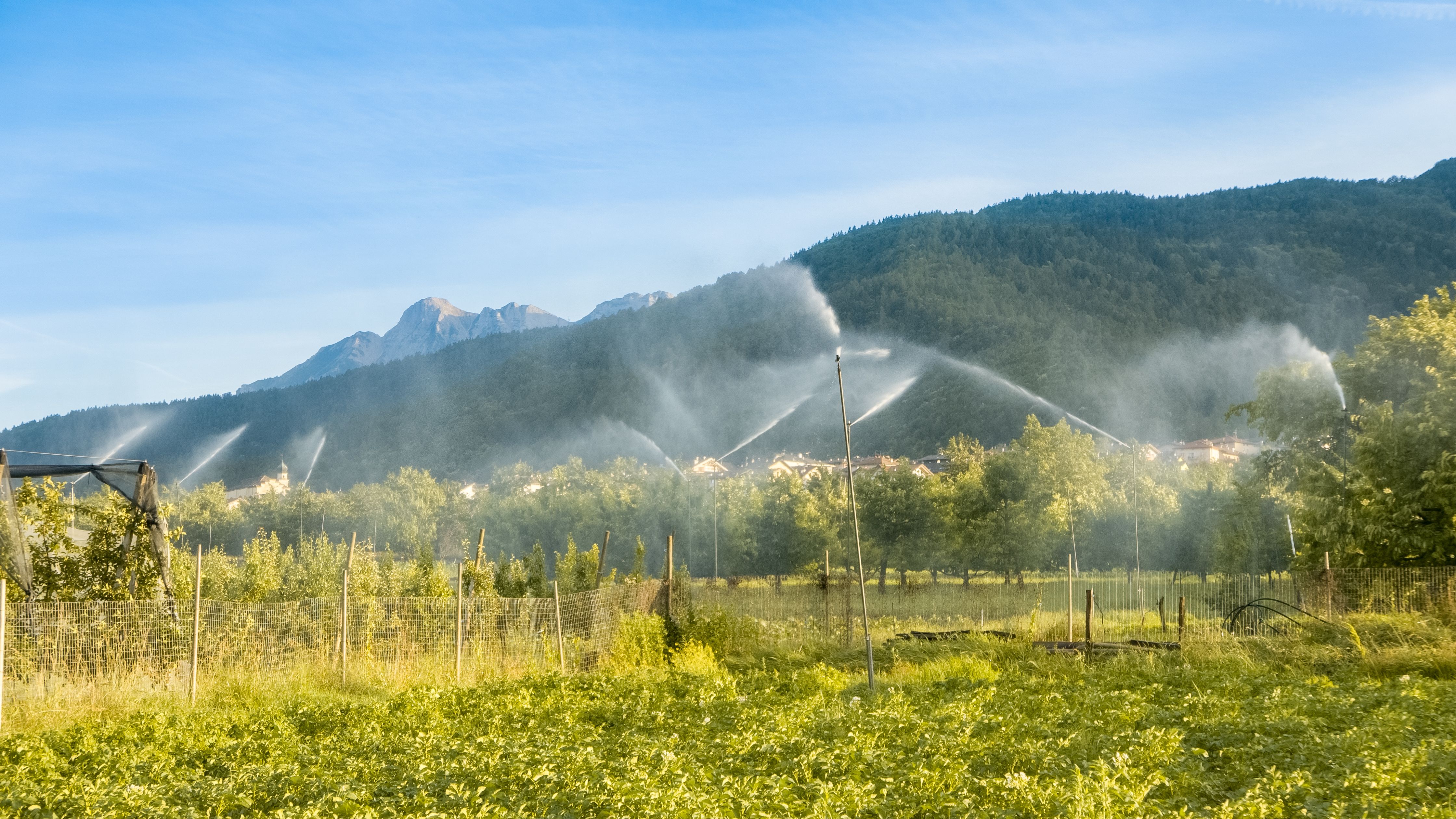
Effective irrigation is vital for olive trees in arid regions. Drip irrigation systems are recommended as they provide consistent moisture directly to the roots, minimizing water wastage. During the initial years, regular watering is crucial to establish a robust root system. Once established, olive trees require less frequent watering.
Pruning Techniques
Pruning is essential for maintaining healthy olive trees and optimizing fruit production. Regular pruning helps improve air circulation, reduce disease risk, and shape the tree for better sun exposure. The best time to prune olive trees is late winter or early spring, before the new growth begins.
Pest and Disease Management
Although olive trees are hardy, they can be susceptible to pests and diseases. Common issues include olive fruit flies and fungal infections. Integrated pest management strategies, such as using natural predators and organic treatments, can help keep these problems under control. Regular monitoring is key to early detection and effective management.
Harvesting Techniques
Harvesting olives at the right time is crucial for quality oil production. The timing depends on the desired flavor profile—green olives for a bitter taste and black olives for a milder flavor. The traditional method involves handpicking, which ensures minimal damage to the fruit and tree. Mechanical harvesting is also an option for larger orchards.
Post-Harvest Processing
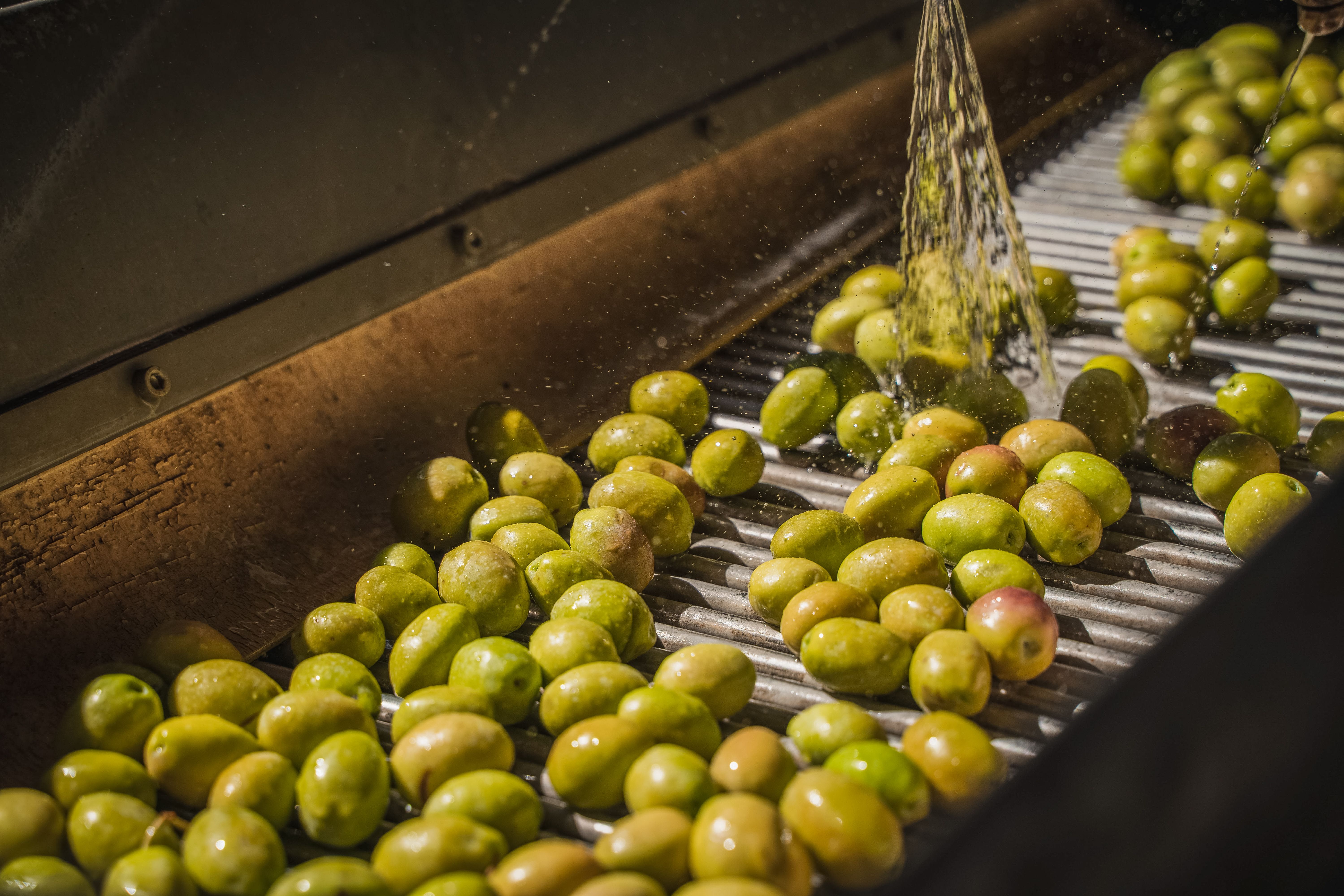
After harvesting, olives should be processed promptly to preserve their quality. Washing, crushing, and pressing are the primary steps in oil extraction. Proper storage is crucial to maintain the oil's freshness and flavor. Stainless steel containers in a cool, dark place are ideal for storing olive oil.
Marketing and Economic Considerations
Understanding the market demand and economic aspects of olive cultivation can significantly impact profitability. Engaging with local cooperatives and exporting to international markets are potential strategies. Additionally, promoting organic and sustainable practices can attract a premium market segment.