Expert Tips for Organic Olive Farming in the Desert


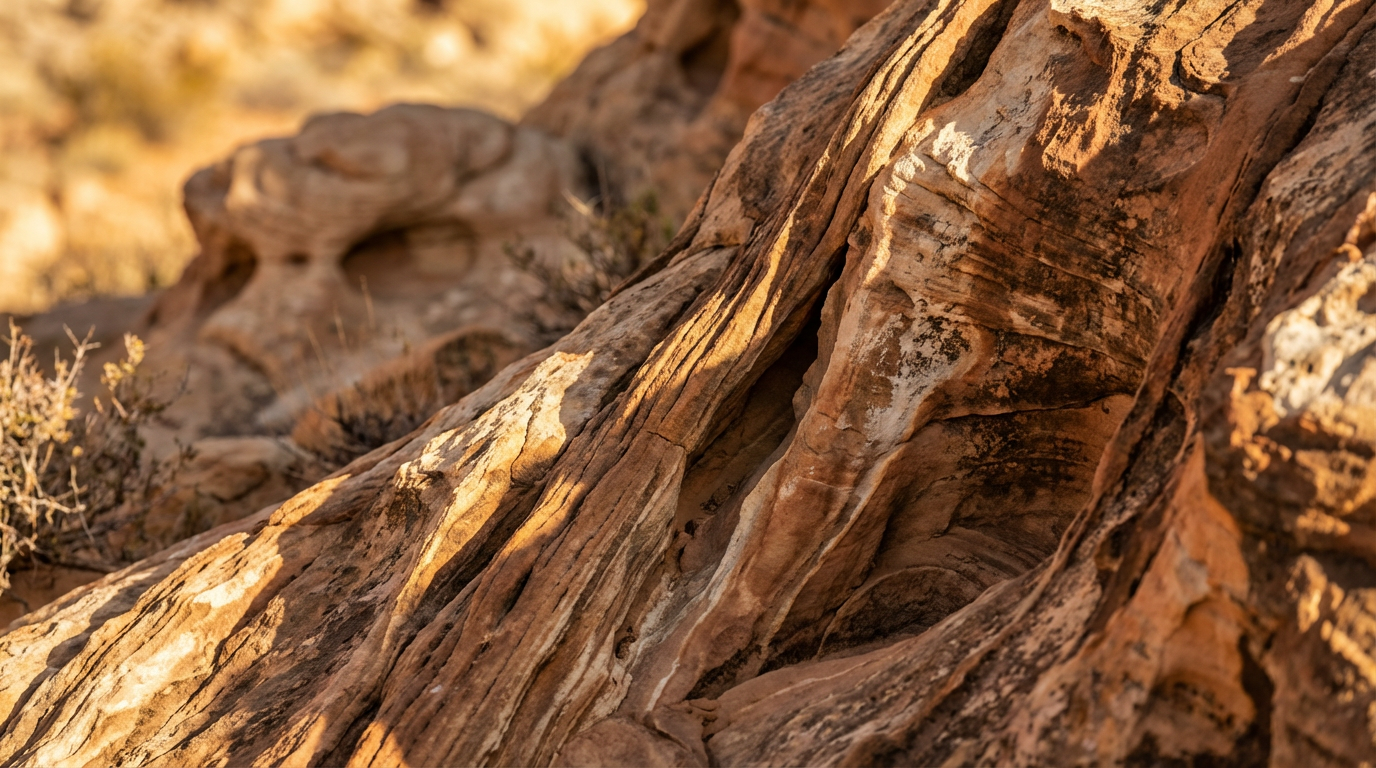
Understanding the Desert Environment
Growing olives in the desert might seem challenging due to the harsh climate, but with the right techniques, it can be a rewarding endeavor. The key to success lies in understanding the unique characteristics of the desert environment, such as extreme temperatures, low humidity, and limited water resources.
Olive trees are naturally resilient and can thrive in arid conditions. However, they require specific care and management to ensure optimal growth and fruit production. Proper planning and preparation can make a significant difference.
Selecting the Right Olive Varieties
Choosing the right olive varieties is crucial for successful farming in the desert. Some varieties are more tolerant of drought and high temperatures than others. Consider varieties like Arbequina, Koroneiki, and Picual, which are known for their adaptability to hot, dry climates.
It's important to consult with local agricultural experts or nurseries to find varieties that have been tested and proven in similar environments. This ensures that your olive farm is set up for success from the start.
Soil Preparation and Management
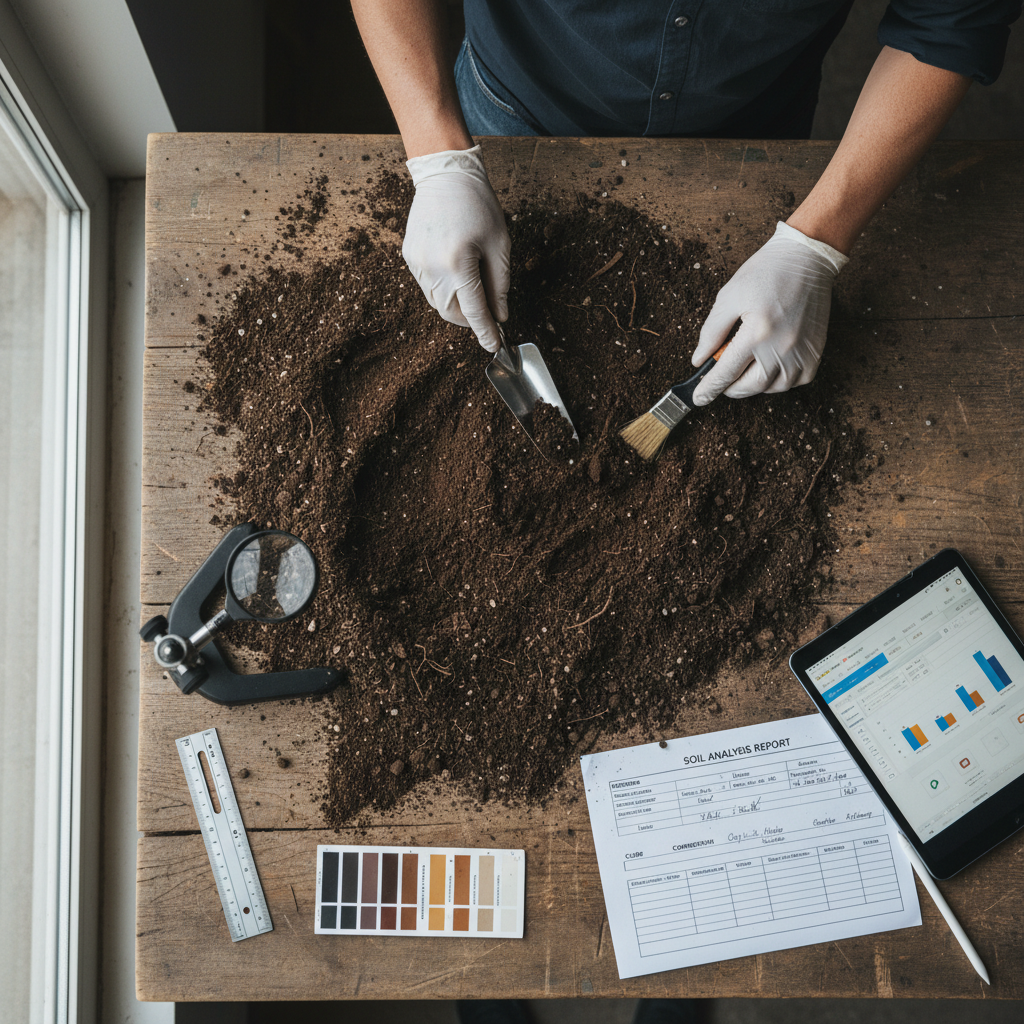
The quality of soil plays a vital role in olive farming. Desert soils often lack organic matter and may require amendments to improve fertility. Incorporating organic compost and well-decomposed manure can enhance soil structure and nutrient content.
Regular soil testing is recommended to monitor pH levels and nutrient availability. Adjusting these factors can lead to healthier trees and better yields.
Efficient Water Management
Water is a precious resource in the desert, making efficient irrigation practices essential. Drip irrigation is highly recommended as it delivers water directly to the roots, minimizing evaporation and waste.
Implementing rainwater harvesting systems can also supplement water supply. Monitoring soil moisture levels helps in scheduling irrigation effectively, ensuring that trees receive the proper amount of water without excess.
Implementing Organic Practices
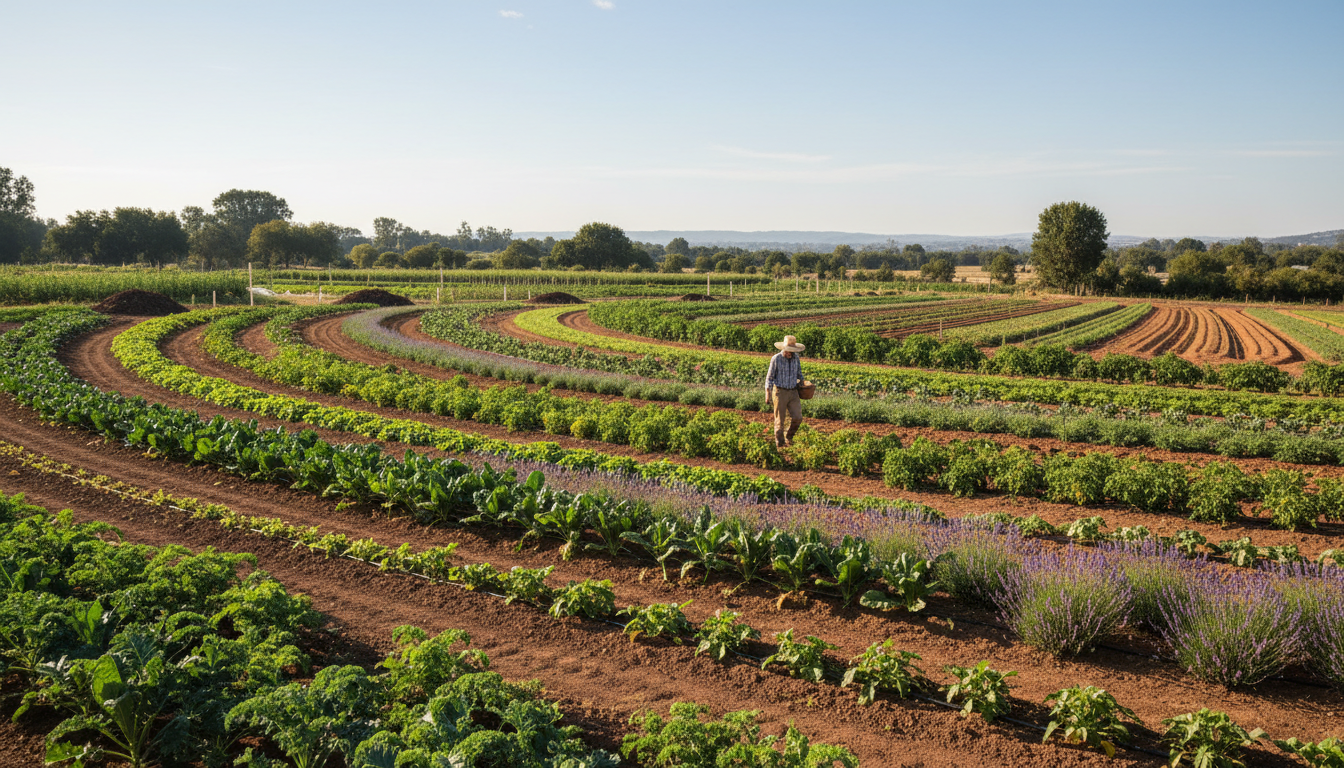
Organic farming not only benefits the environment but also enhances the quality of olives. Avoiding synthetic fertilizers and pesticides is crucial. Instead, focus on natural pest control methods and soil enrichment techniques.
Using cover crops and mulching can help retain soil moisture and suppress weeds, which are common challenges in desert farming.
Monitoring and Managing Pests
Desert environments can harbor a range of pests that threaten olive trees. Regular monitoring and early detection are key to managing these pests effectively. Employing natural predators and biological control measures can keep pest populations in check without resorting to harmful chemicals.
Harvesting and Post-Harvest Care
Timing is critical when it comes to harvesting olives. In the desert, the ripening process might differ from other regions due to the climate. Regularly check the fruit for optimal ripeness, which typically means a change in color and firmness.
Proper post-harvest handling, such as careful sorting and storage, ensures the quality and longevity of the olives, whether for oil production or table use.
Building a Sustainable Olive Farm
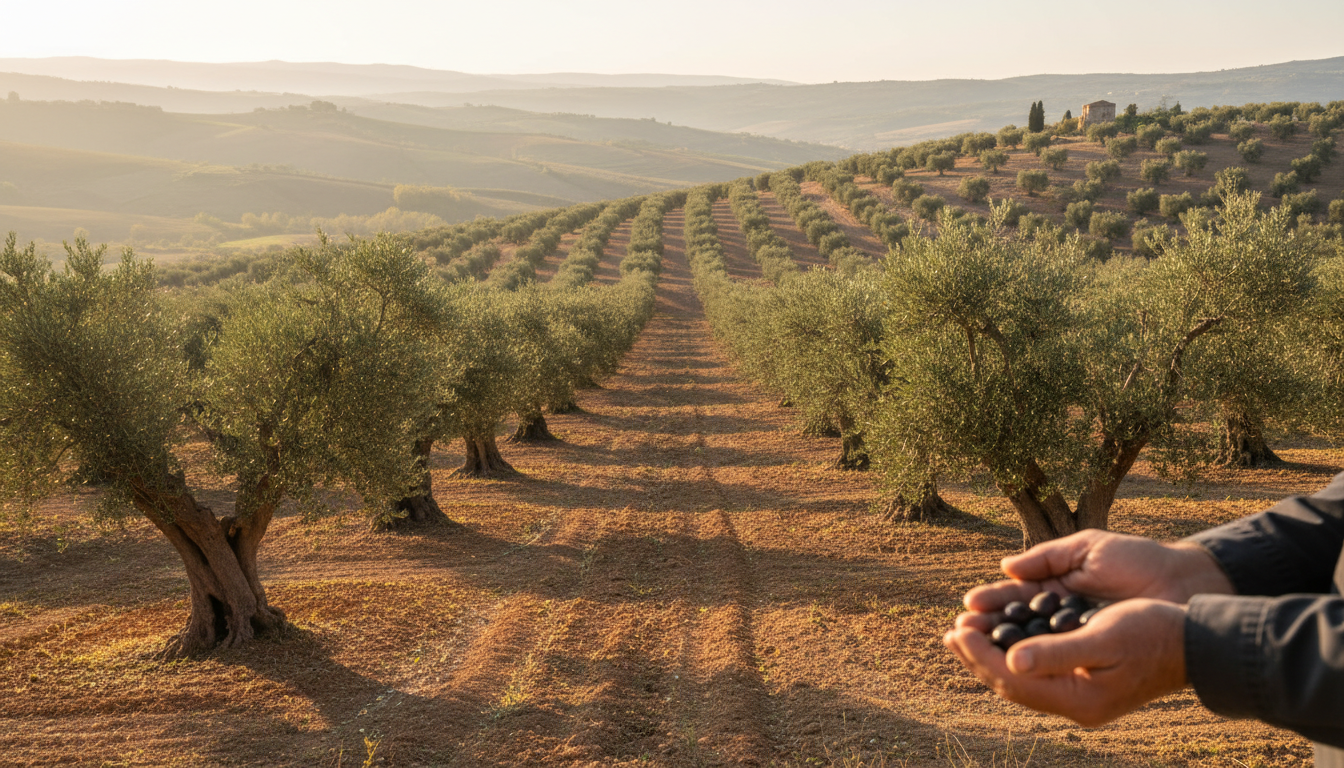
Sustainability is key to the long-term success of olive farming in the desert. By adopting eco-friendly practices and focusing on resource conservation, farmers can create a thriving ecosystem that supports both agriculture and the natural environment.
Engaging with local communities and sharing knowledge can foster a culture of sustainability and innovation, paving the way for future generations of organic olive farmers.