Expert Insights: The Latest Innovations in Olive Cultivation


The Evolution of Olive Cultivation
Olive cultivation has a rich history, dating back thousands of years. However, recent innovations are revolutionizing the industry, enhancing efficiency and sustainability. These advancements are not only increasing yields but also improving the quality of olives and olive oil.
In this blog post, we'll explore some of the latest innovations in olive cultivation, drawing insights from experts in the field. From precision agriculture to sustainable practices, these developments are shaping the future of olive farming.

Precision Agriculture: The Game Changer
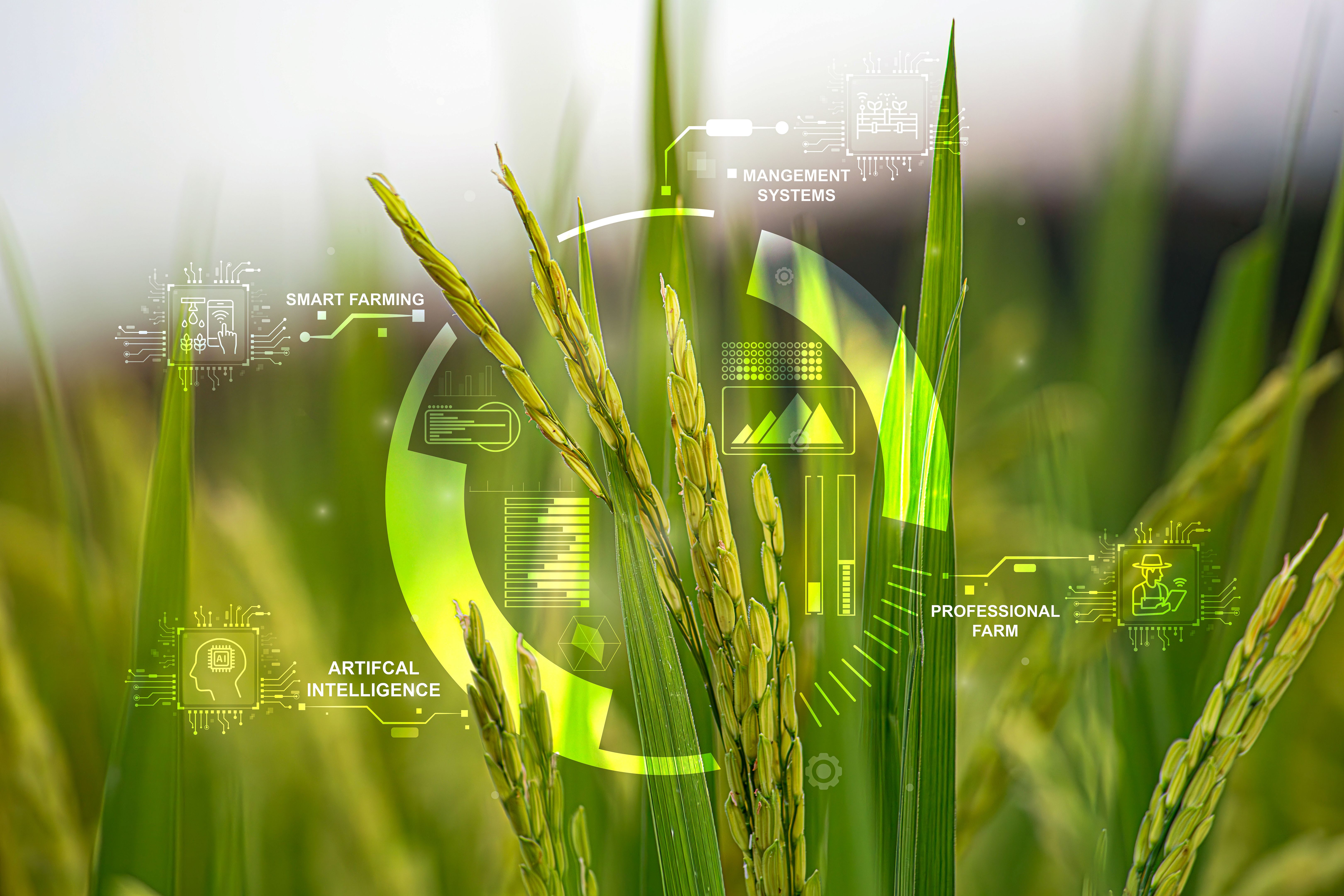
Precision agriculture is transforming how olives are cultivated. By using GPS technology and data analytics, farmers can monitor olive trees with unprecedented accuracy. This allows for targeted interventions, such as precise irrigation and fertilization, reducing waste and optimizing resources.
One of the key benefits of precision agriculture is its ability to enhance productivity while minimizing environmental impact. This is particularly important in regions where water scarcity is a concern. By using technology to track soil moisture levels, farmers can apply water only when necessary, conserving this vital resource.
Sustainable Practices for a Greener Future
Sustainability is at the forefront of modern olive cultivation. Farmers are adopting eco-friendly practices to reduce their carbon footprint and promote biodiversity. Techniques such as organic farming and integrated pest management are becoming increasingly popular.
Organic farming, for instance, eliminates the use of synthetic fertilizers and pesticides, which can harm the environment. Instead, farmers rely on natural alternatives and crop rotation to maintain soil health and control pests.
Innovative Harvesting Techniques
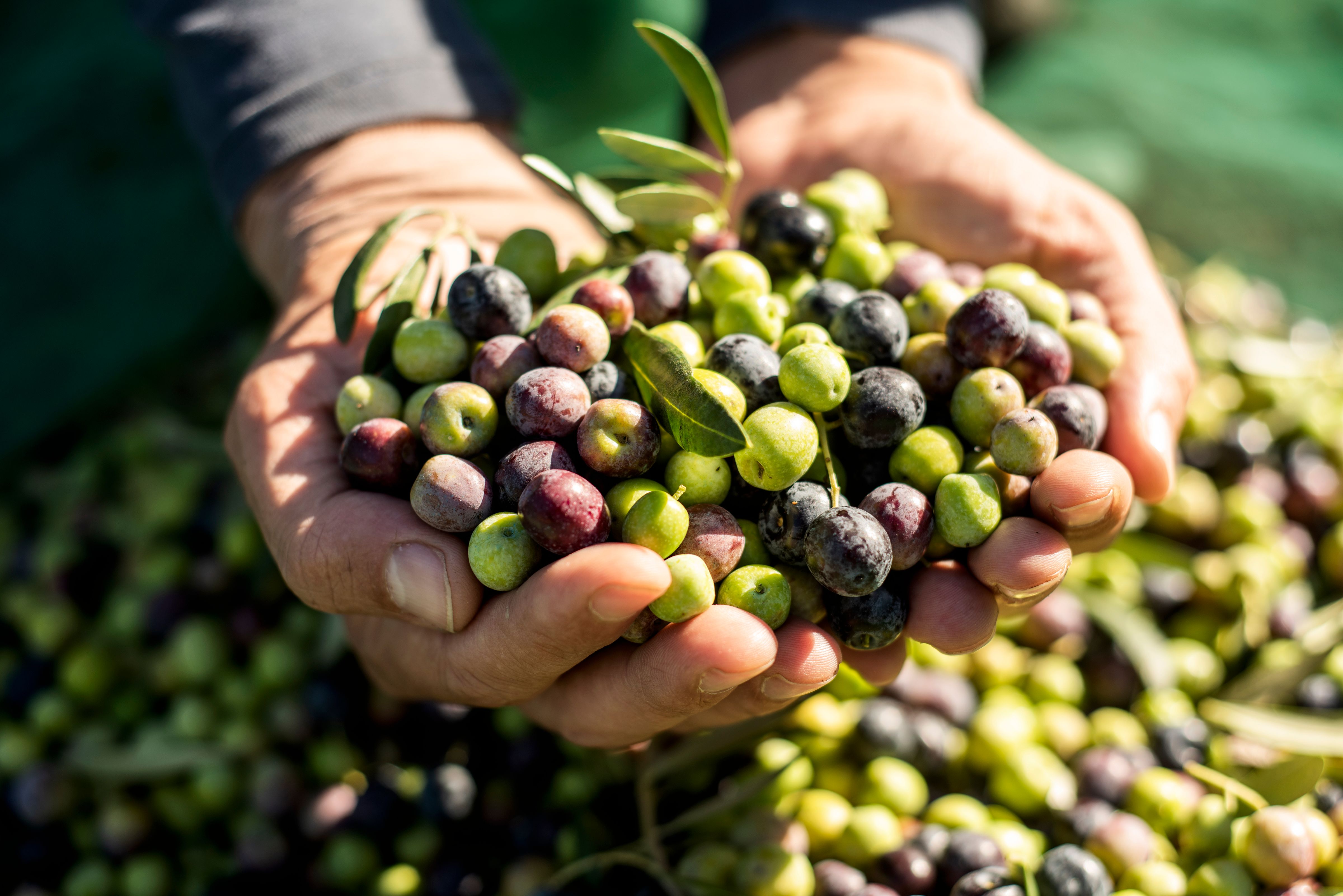
Harvesting olives has traditionally been a labor-intensive process, but new technologies are making it more efficient. Mechanical harvesters are now being used to collect olives quickly and with minimal damage to the trees.
These machines are equipped with advanced sensors that can differentiate between ripe and unripe olives, ensuring only the best quality fruit is harvested. This not only saves time but also improves the overall quality of the olive oil produced.
The Role of Research and Development
Research and development play a crucial role in driving innovation in olive cultivation. Universities and research institutions are collaborating with farmers to develop new varieties of olive trees that are more resilient to climate change and pests.
These efforts are crucial in ensuring the long-term sustainability of the olive industry. By investing in R&D, the industry can continue to thrive in the face of evolving environmental challenges.
The Future of Olive Cultivation
As technology continues to advance, the future of olive cultivation looks promising. Innovations such as drones for aerial monitoring and AI for predictive analytics are on the horizon, offering even more opportunities for efficiency and sustainability.
The combination of traditional knowledge and cutting-edge technology is paving the way for a new era in olive farming. As these innovations become more widespread, they hold the potential to transform the industry and contribute to a more sustainable world.