DIY Tips for Starting Your Own Home Orchard


Starting your own home orchard can be a rewarding and sustainable way to enjoy fresh fruits right from your backyard. Whether you have a large yard or just a small patch of land, you can create a thriving orchard with a bit of planning and care. Here's how to get started with some DIY tips.
Choosing the Right Location
The first step in establishing a thriving orchard is choosing the right location. Look for a spot that receives full sunlight for most of the day, as fruit trees generally require at least 6 to 8 hours of direct sunlight. Ensure the area has good drainage to prevent root rot and other water-related issues.
Consider the proximity of your orchard to water sources for easy irrigation. If your area is prone to frost, select a location with some natural wind protection, such as a slight slope or near a fence.

Selecting Fruit Trees
When it comes to choosing fruit trees, consider your climate and soil conditions. Some popular fruit trees for home orchards include apple, pear, cherry, and peach. It's essential to select varieties suited to your region's climate to ensure healthy growth and fruit production.
Research the pollination requirements of your chosen trees. Some fruit trees are self-pollinating, while others need a compatible pollinator nearby. Planting a variety of trees can help increase pollination success and fruit yield.
Preparing the Soil
Proper soil preparation is crucial for a successful orchard. Start by testing your soil to determine its pH and nutrient levels. Most fruit trees prefer slightly acidic to neutral soil. Amend the soil with organic matter, such as compost, to improve its fertility and structure.
Ensure the planting area is free of weeds and debris. A good practice is to create a raised bed or mound for each tree to improve drainage, especially in areas with heavy clay soils.
Planting and Caring for Trees
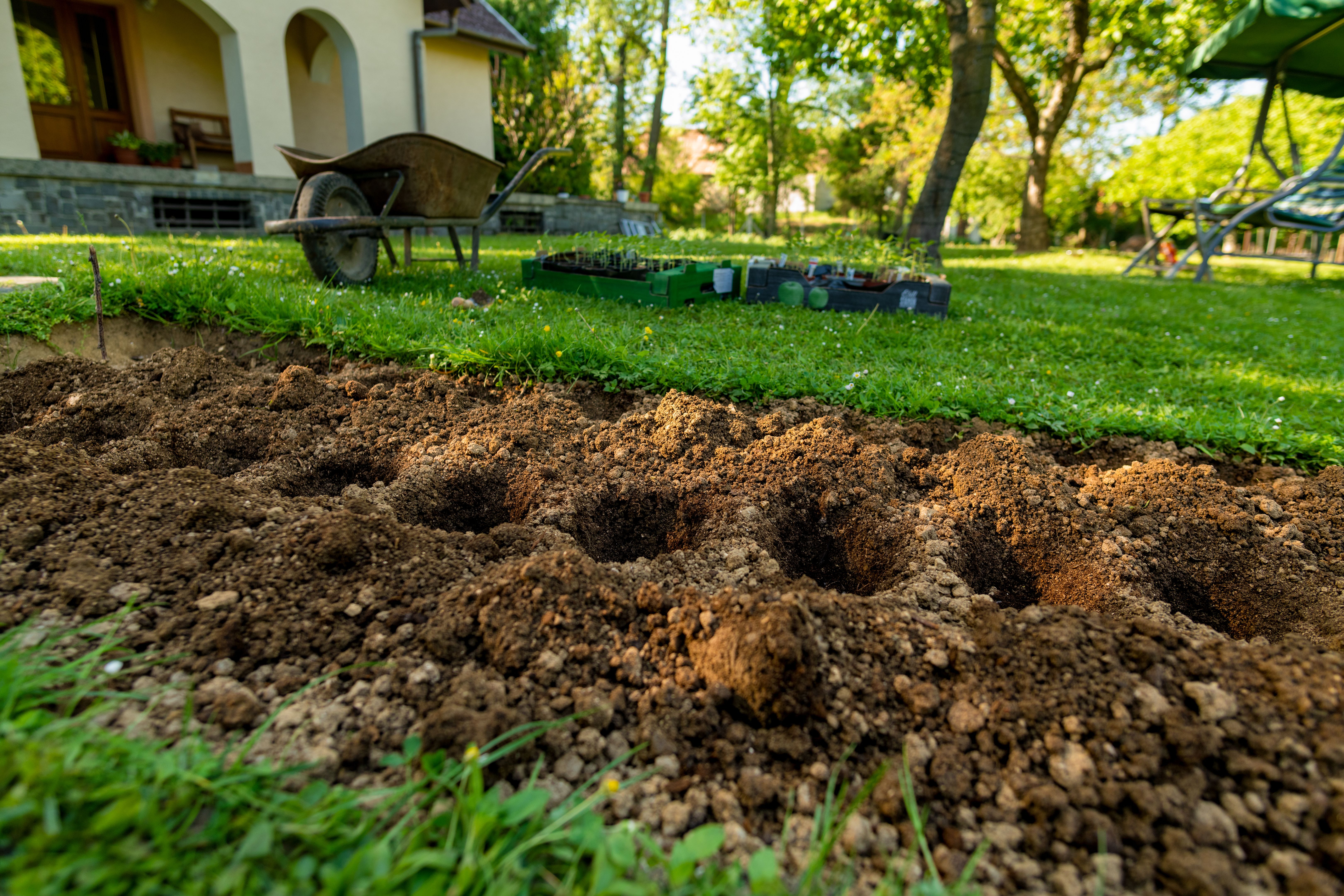
When planting your fruit trees, dig a hole twice as wide as the root ball and slightly shallower than the tree's height. Gently spread the roots and place the tree in the hole, making sure the graft union (the point where the tree was grafted onto the rootstock) is above the soil line.
Backfill the hole with soil, water thoroughly, and add a layer of mulch around the base to conserve moisture and suppress weeds. Regular watering, especially during the first few years, is essential for establishing strong roots.
Pruning and Maintenance
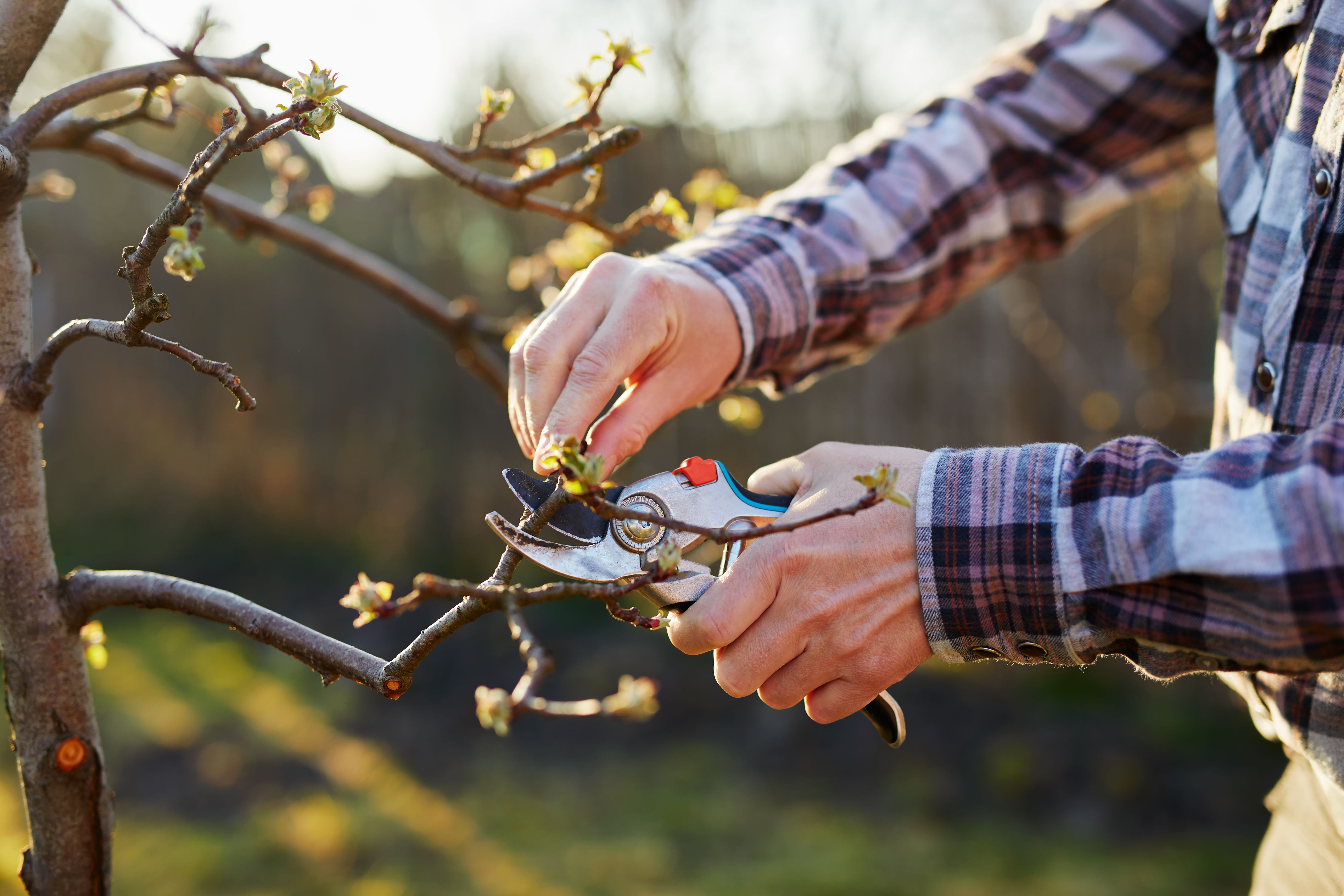
Pruning is a critical part of maintaining healthy fruit trees. It helps shape the tree, encourages fruit production, and removes dead or diseased branches. Prune during the dormant season, typically late winter or early spring, to get the best results.
Regularly inspect your trees for signs of pests or diseases. Use organic methods to manage these issues, such as introducing beneficial insects or applying neem oil. Consistent care will ensure your orchard remains healthy and productive for years to come.
Enjoying the Fruits of Your Labor
Once your trees start bearing fruit, you can enjoy the delicious rewards of your hard work. Harvesting times will vary depending on the type of fruit, so be sure to monitor the ripeness closely. Freshly picked fruits are perfect for eating, preserving, or sharing with friends and family.
Starting a home orchard is a fulfilling hobby that offers long-term benefits. By following these DIY tips, you'll be well on your way to creating a lush and productive orchard in your own backyard.