DIY Olive Oil Production: From Orchard to Bottle


The Art of DIY Olive Oil Production
Olive oil is more than just a kitchen staple; it's a symbol of tradition and craftsmanship. Producing your own olive oil at home can be a rewarding experience, allowing you to control the flavor and quality from start to finish. In this guide, we'll take you through the process, from the orchard to the bottle.
Selecting the Right Olives
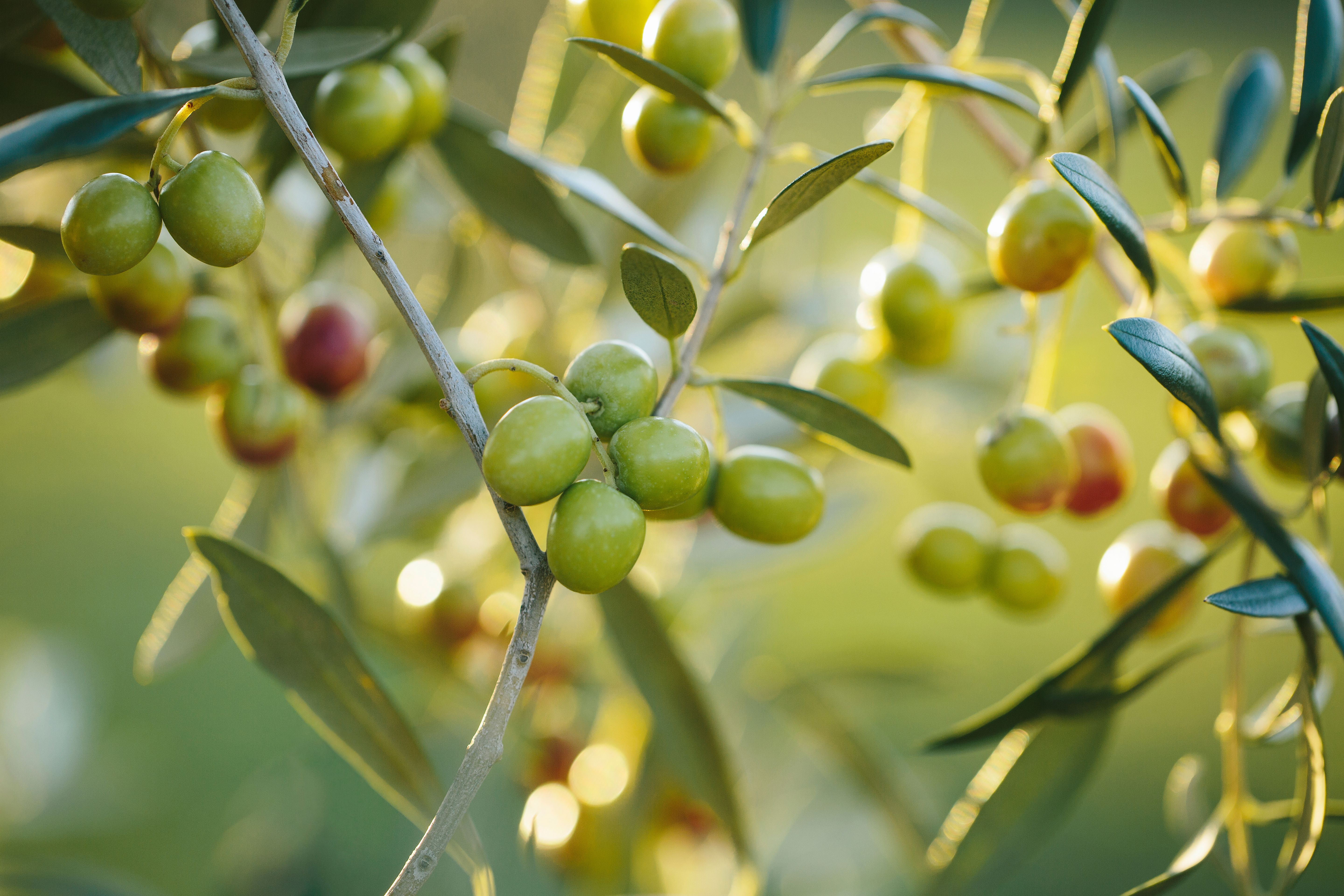
The journey begins with choosing the right olives. Selecting high-quality olives is crucial as they directly affect the taste and aroma of your oil. Look for fresh, ripe, and unblemished olives. If you have your own orchard, even better! Otherwise, local markets can be a great source. Remember, different olive varieties produce different flavors, so choose according to your taste preference.
Harvesting Techniques
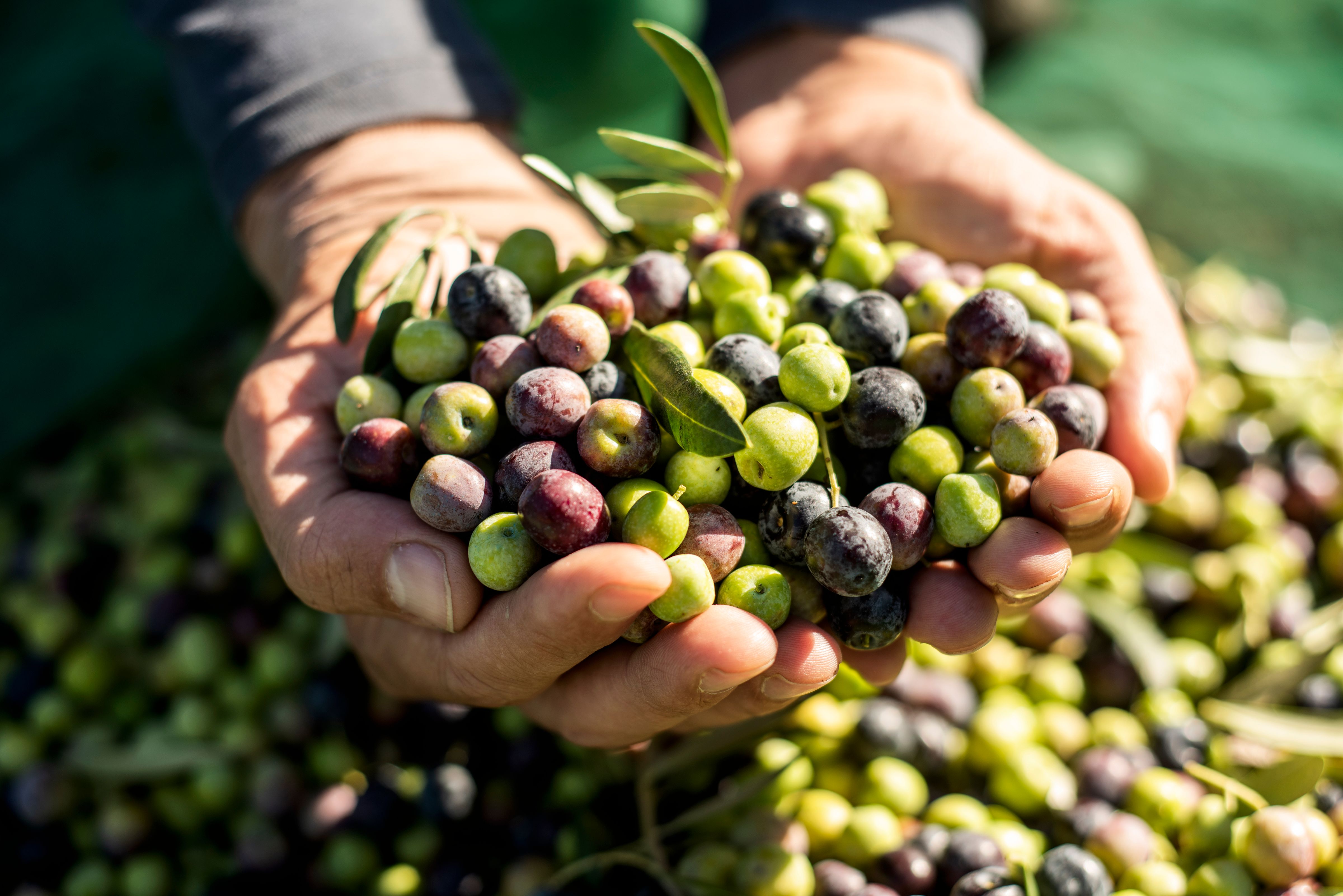
Harvesting at the right time is essential. Olives should be picked when they are at their peak ripeness. This usually means when they are turning from green to purple. Use gentle methods such as hand-picking or using a rake to ensure the fruit is not damaged.
Processing Your Olives
Once harvested, it's important to process the olives quickly to prevent oxidation and fermentation. Here’s a step-by-step guide:
- Cleaning: Wash the olives thoroughly to remove dirt and leaves.
- Milling: Crush the olives into a paste using a stone mill or a mechanical grinder.
- Malaxation: Slowly churn the paste to allow oil droplets to combine, enhancing flavor and yield.
Extracting the Oil
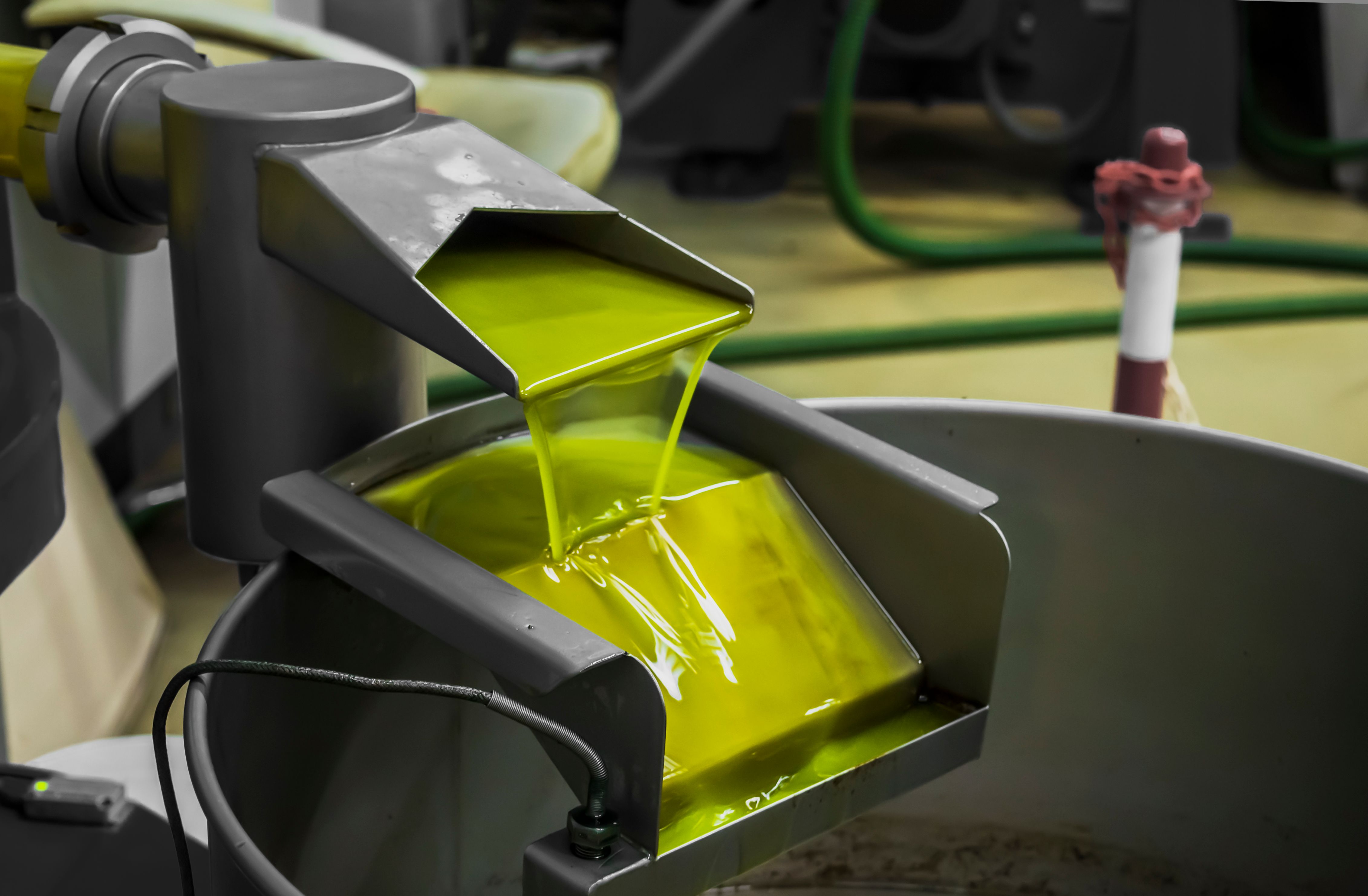
After malaxation, it's time to extract the oil. This can be done using a press or centrifuge. The goal is to separate the oil from the water and solid components. A traditional press may take longer, but it can enhance the oil's flavor. A centrifuge is quicker and more efficient for larger batches.
Bottling and Storing Your Olive Oil
Once you've extracted the oil, let it settle for a few days to allow any remaining solids to separate. Then, carefully transfer the oil into clean, dark glass bottles to protect it from light. Ensure the bottles are sealed tightly to prevent oxidation.
Enjoying Your Homemade Olive Oil
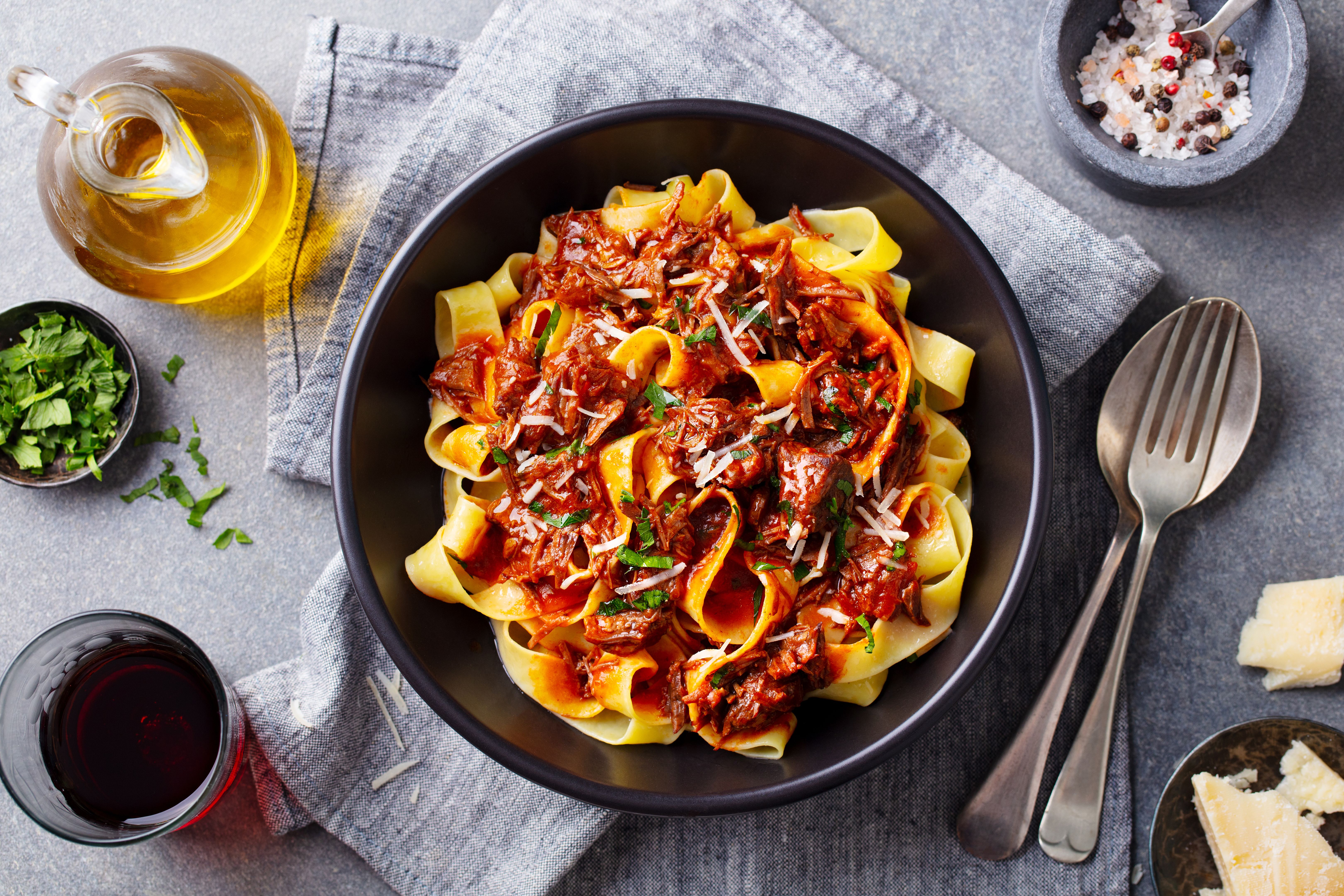
Congratulations! You now have your very own homemade olive oil. Use it to enhance your culinary creations or gift it to friends and family. Homemade olive oil is not just about taste; it's about the pride and joy of creating something from scratch.
Producing olive oil at home is a labor of love. While it requires time and effort, the results are truly rewarding. Embrace the process, and enjoy the exquisite flavors of your own handcrafted olive oil.