Discover the Best Time to Harvest Olives in Arizona: A Seasonal Guide


Arizona's unique climate creates an ideal environment for olive cultivation. Known for its hot, dry summers and mild winters, the region allows for a successful olive harvest. However, knowing the best time to harvest olives is crucial for ensuring optimal flavor and oil content. This guide will help you navigate the seasonal nuances of olive harvesting in Arizona.
Understanding the Olive Growing Season
Olives in Arizona typically follow a distinct growing season, beginning in spring and culminating in the fall harvest. Each stage of growth, from flowering to fruit ripening, plays a significant role in determining the best harvest time.
During the spring, olive trees bloom, setting the stage for fruit development. As summer progresses, the olives grow and mature, absorbing the sun's warmth and developing their rich flavors. By fall, they are usually ready for harvest.
When to Start Harvesting
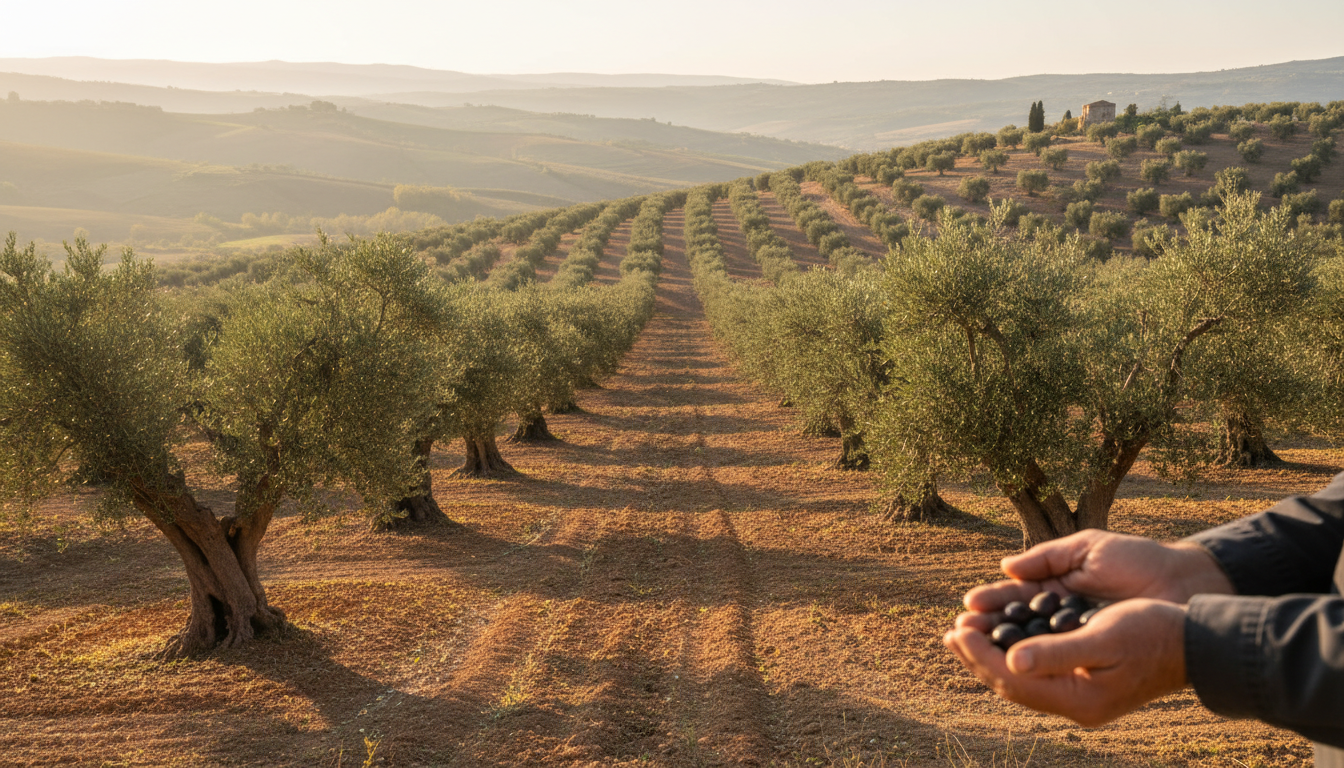
The ideal time to start harvesting olives in Arizona is generally between late September and early December. However, this can vary based on the specific olive variety and local weather conditions. Observing the changing color of the olives—from green to purple to black—can be an excellent indicator of their ripeness.
Typically, green olives are harvested earlier for a more robust flavor, while black olives are picked later for a milder taste. Depending on the desired outcome, growers may choose different times to harvest.
Factors Affecting Harvest Time
Several factors can influence the exact timing of the olive harvest in Arizona, including:
- Climate: Variations in temperature and rainfall can affect the ripening process.
- Olive Variety: Different types of olives mature at different rates.
- Intended Use: Olives for oil may be harvested at a different time than those for table use.
Tools and Techniques for Harvesting
Using the right tools and techniques is essential for a successful olive harvest. Traditional methods, such as hand-picking, are gentle on the fruit but can be labor-intensive. Mechanical harvesters offer efficiency but require careful calibration to avoid damaging the trees.
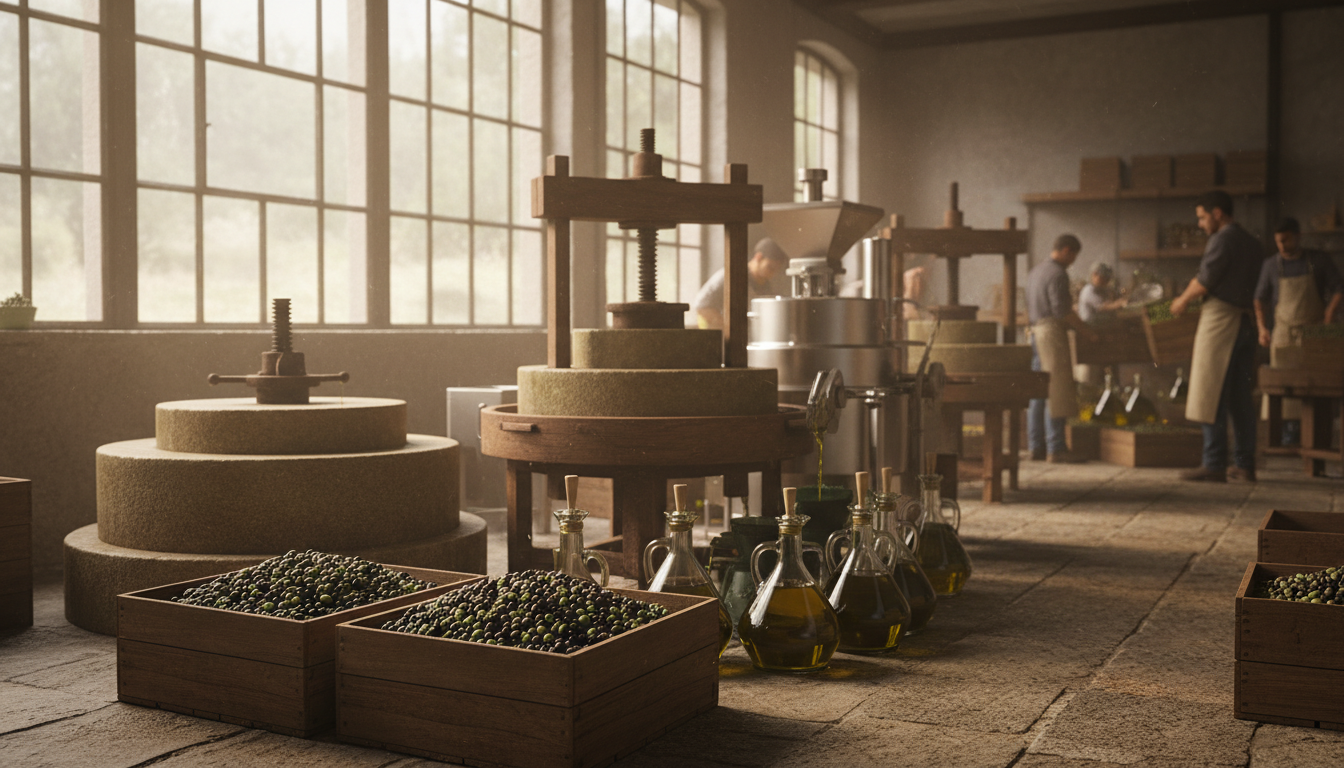
Regardless of the method, it's vital to handle the olives with care to preserve their quality. Proper storage and processing immediately after harvesting also ensure the best flavors and oil content.
Preparing for the Harvest
Preparation for the olive harvest begins long before the first fruit is picked. Regular tree maintenance, including pruning and pest control, ensures healthy growth and abundant yields. Monitoring weather patterns and soil conditions can also help predict the best harvest timing.
By understanding these factors and planning accordingly, growers can maximize their harvest's quality and quantity. Whether you're a seasoned farmer or a hobbyist, following these guidelines will help you make the most of Arizona's olive-growing season.