Debunking Olive Growing Myths: What Every New Farmer Should Know


The Myth of Ideal Climates
Many aspiring olive growers believe that olives can only thrive in Mediterranean climates. While it's true that these regions are traditionally known for olive production, modern agricultural techniques have expanded the possibilities. Olives can be grown successfully in diverse climates, including parts of the United States, Australia, and South America.
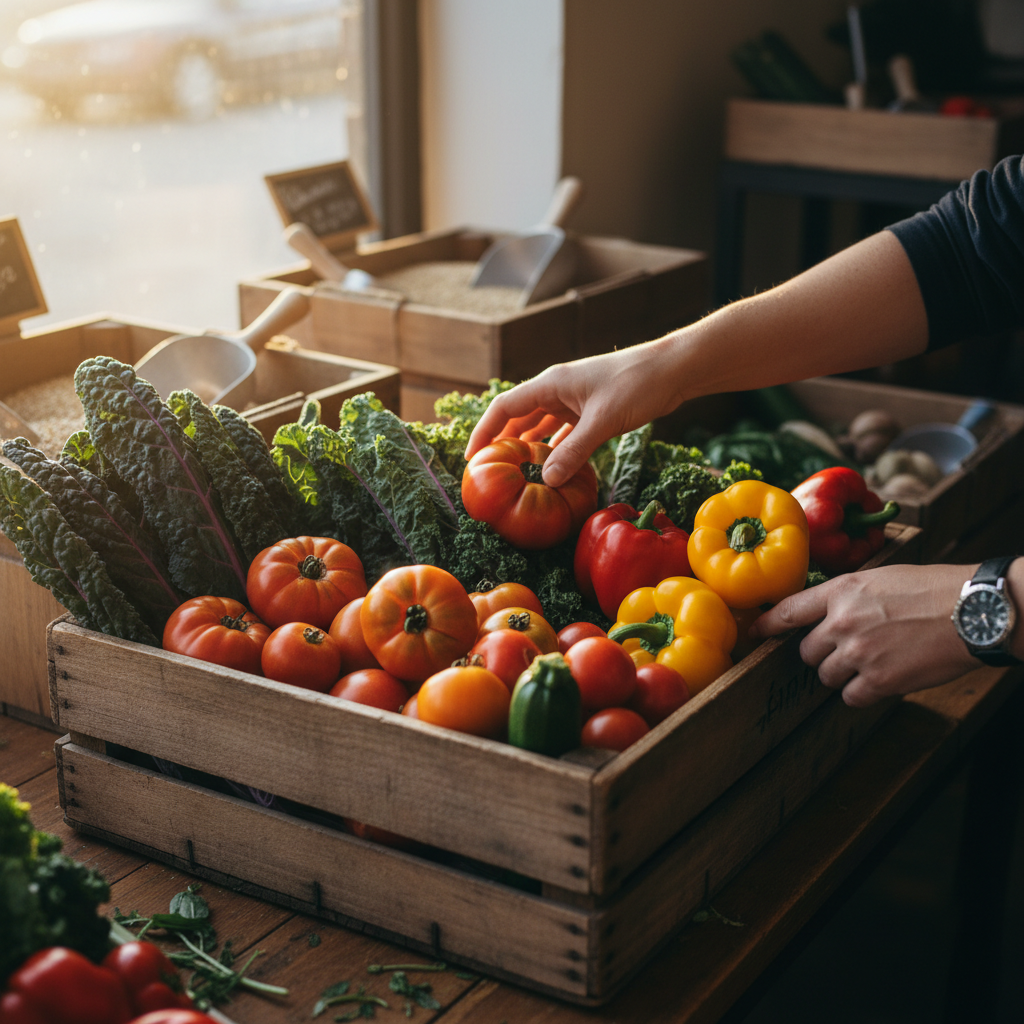
Adapting to Local Conditions
Understanding and adapting to local conditions is crucial. Factors such as soil type, temperature variations, and water availability play significant roles in olive cultivation. With the right knowledge and technology, farmers can cultivate olives in non-traditional regions, debunking the myth that only Mediterranean climates are suitable.
Misconceptions About Water Needs
Another common myth is that olive trees require vast amounts of water. In reality, olives are drought-tolerant and can thrive with minimal water once established. This resilience makes them an attractive option for sustainable agriculture, particularly in arid regions.
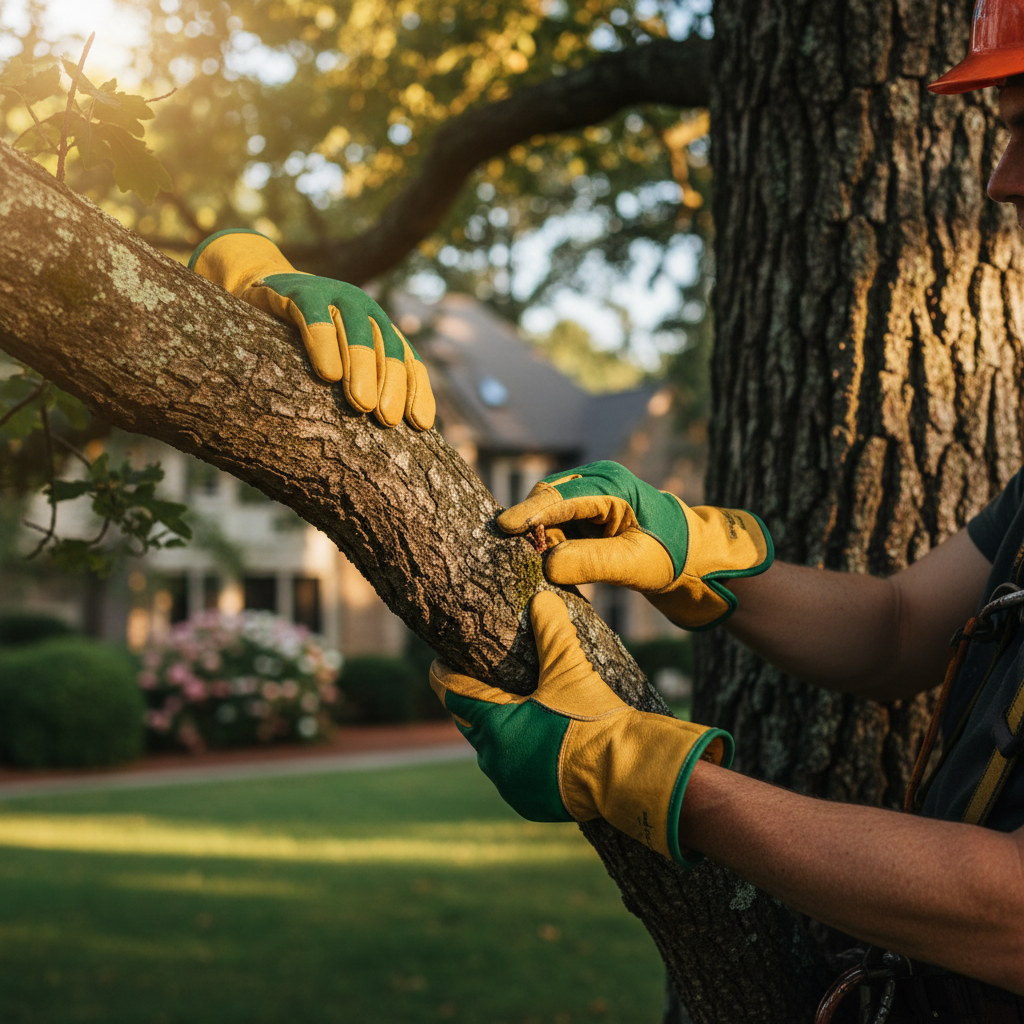
Irrigation Best Practices
While olives don't need excessive water, strategic irrigation during critical growth periods can enhance yield and fruit quality. Understanding the water needs at different growth stages can lead to more efficient water usage, a critical consideration in today's environmentally conscious farming.
Organic Farming Challenges
Some new farmers believe that organic olive farming is impossible due to pest issues. However, many have successfully managed pests organically by using natural predators and biopesticides. Organic farming practices can be both sustainable and profitable.
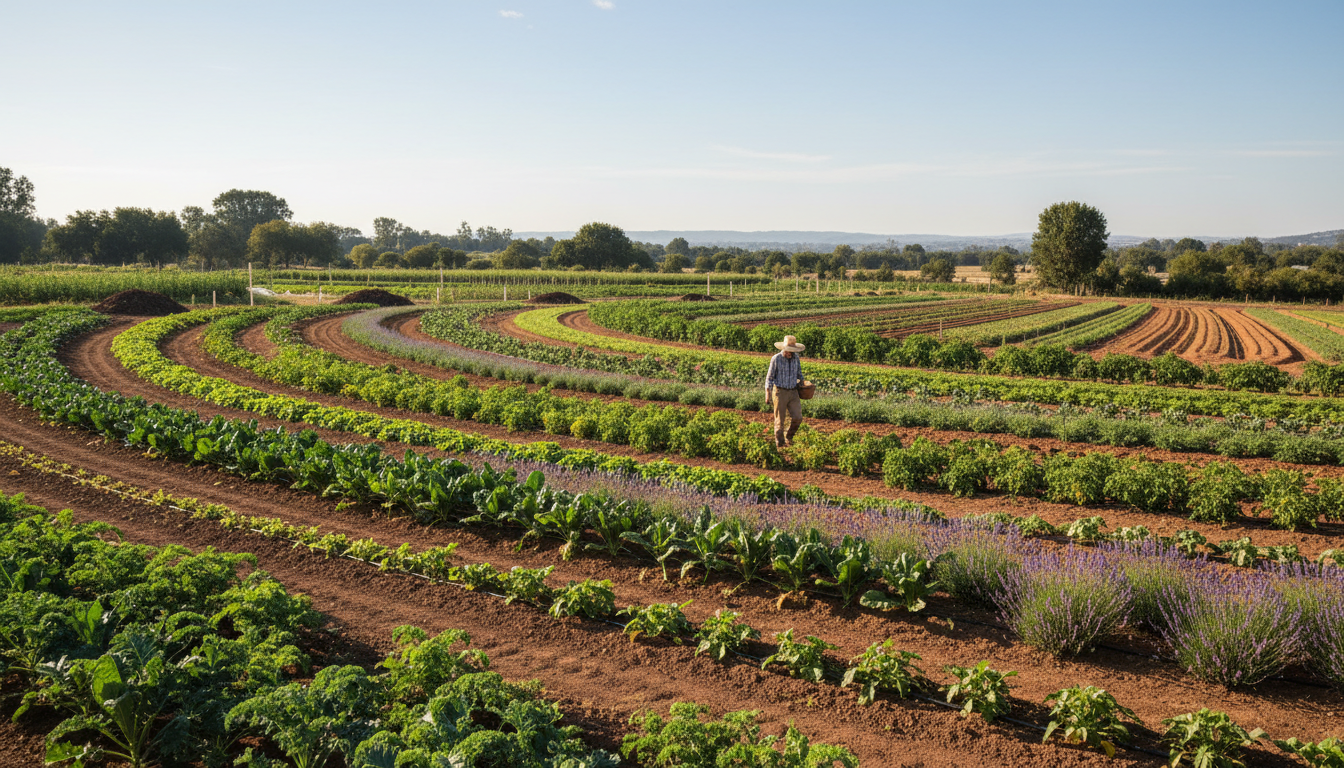
Integrated Pest Management
Implementing an integrated pest management (IPM) approach helps maintain a balanced ecosystem. By understanding pest life cycles and employing natural controls, farmers can minimize chemical usage and promote a healthier environment for their olive trees.
The Myth of Immediate Profit
New olive farmers often expect quick returns on their investments. However, olives require patience, as it can take several years for trees to mature and produce a significant harvest. Understanding this timeline helps manage expectations and fosters long-term planning.
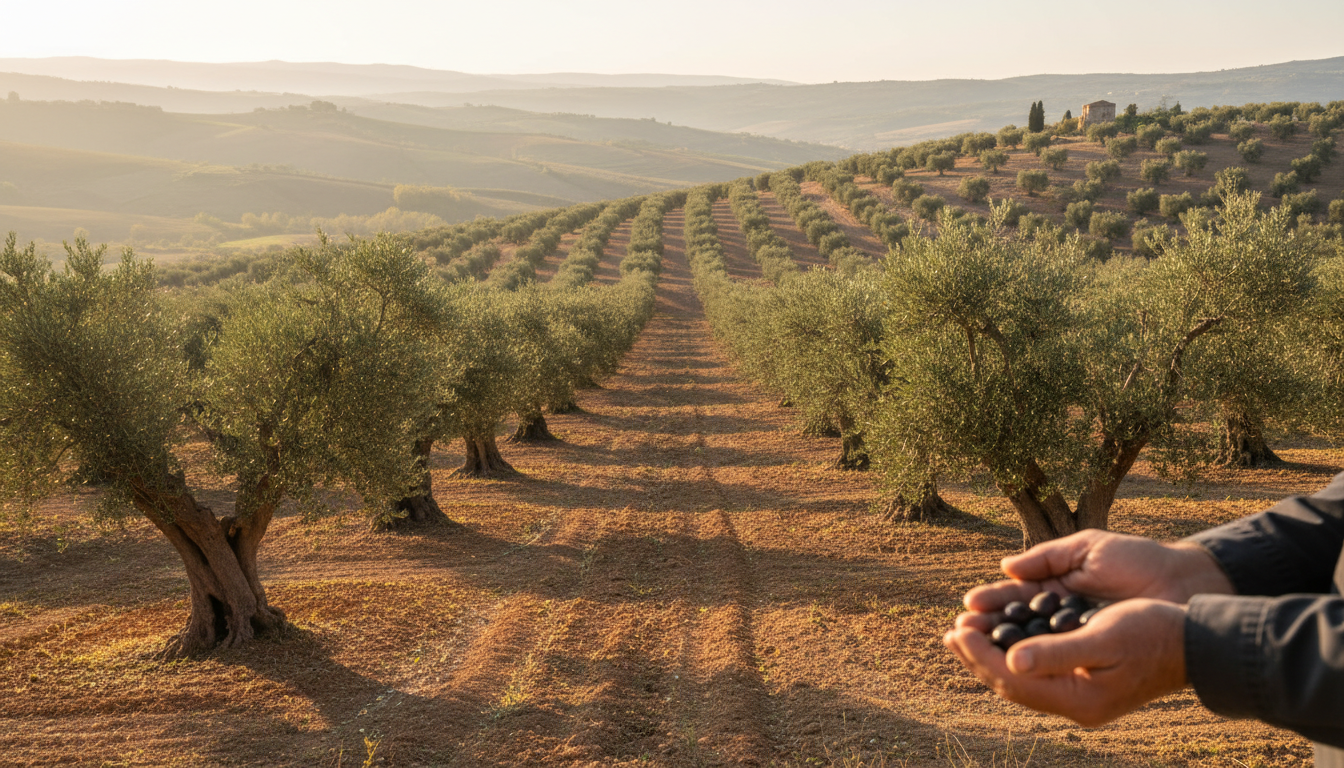
Long-Term Investment Strategy
Olive farming is a long-term venture. By focusing on gradual growth, quality improvements, and market development, farmers can build a sustainable and profitable business over time. Emphasizing quality over quantity is key to success in the olive oil market.