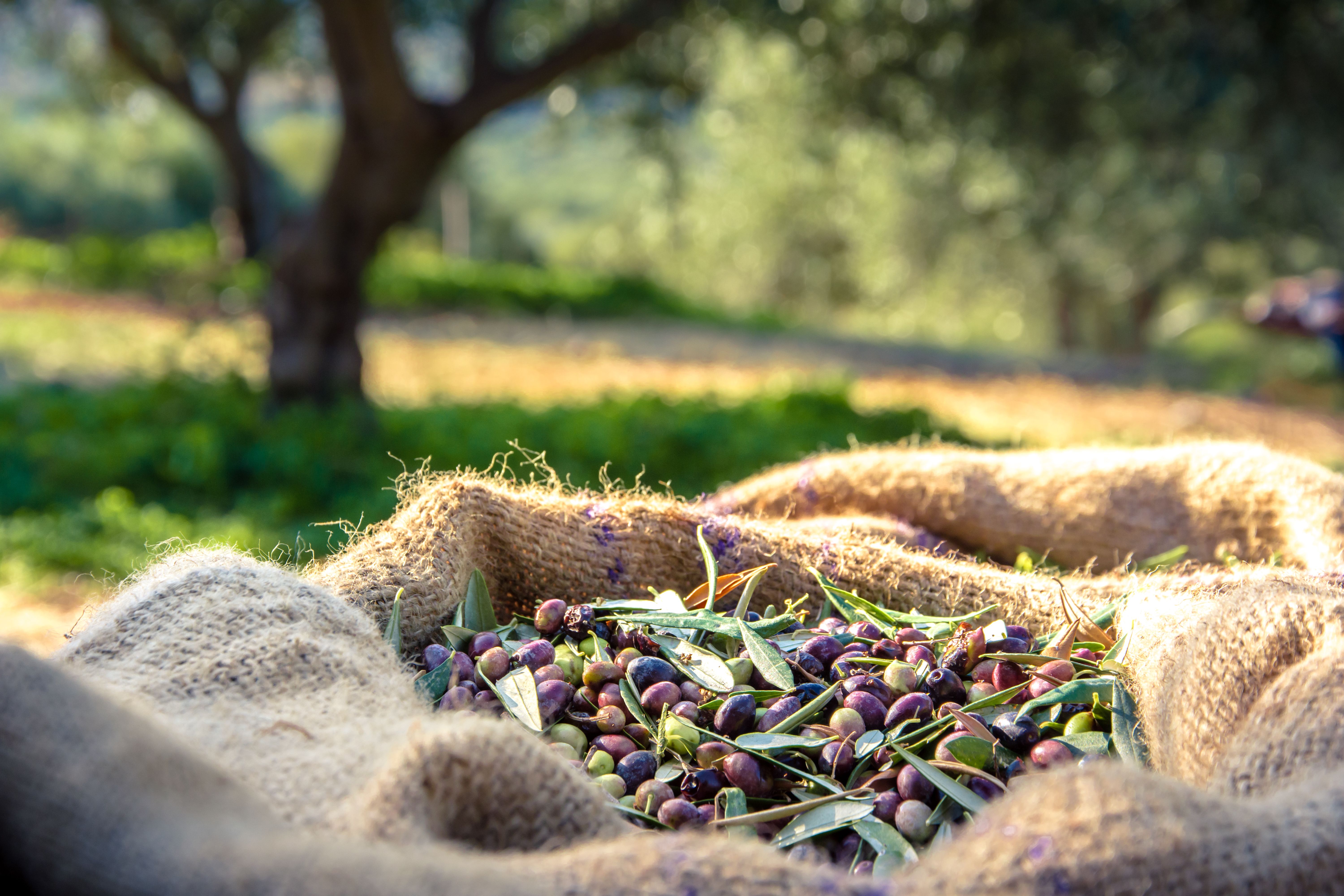
Debunking Common Myths About Olive Cultivation


Introduction to Olive Cultivation Myths
Olive cultivation has been intertwined with human history for centuries. Despite its rich heritage, several misconceptions persist around this ancient practice. In this post, we'll shed light on some of these myths and provide clarity for aspiring olive cultivators.
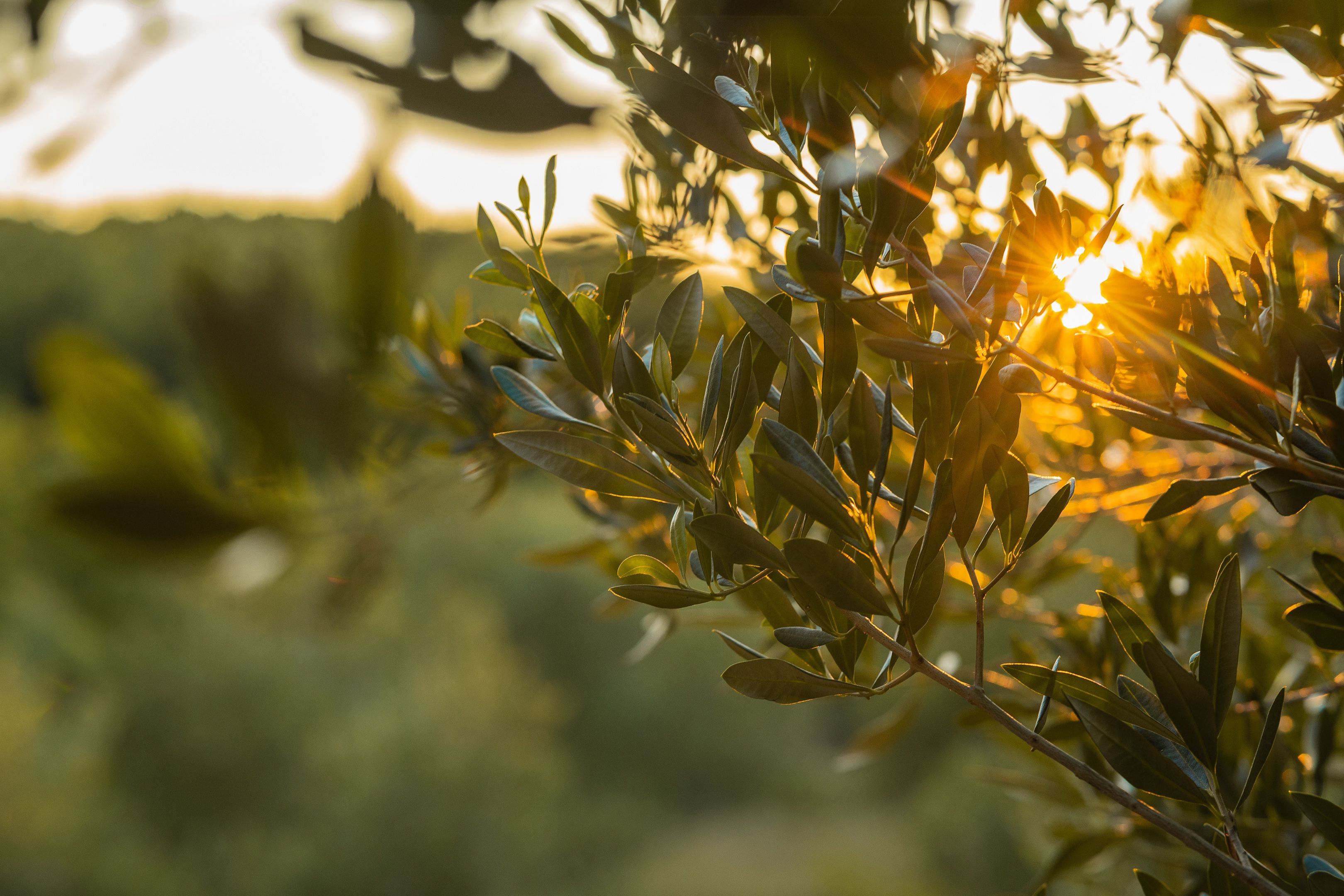
Myth 1: Olives Only Thrive in Mediterranean Climates
While olives are indeed iconic to the Mediterranean, believing they can only flourish in such climates is misleading. Olives are adaptable and can be grown in various regions, provided the conditions mimic their native habitat. Key factors include well-drained soil, plenty of sunlight, and minimal frost exposure.
Expanding Cultivation Regions
Countries like the United States and Australia have successfully cultivated olives outside the traditional Mediterranean basin. This expansion is due to advancements in agricultural practices and the development of more resilient olive tree varieties.
Myth 2: Olive Trees Require Constant Watering
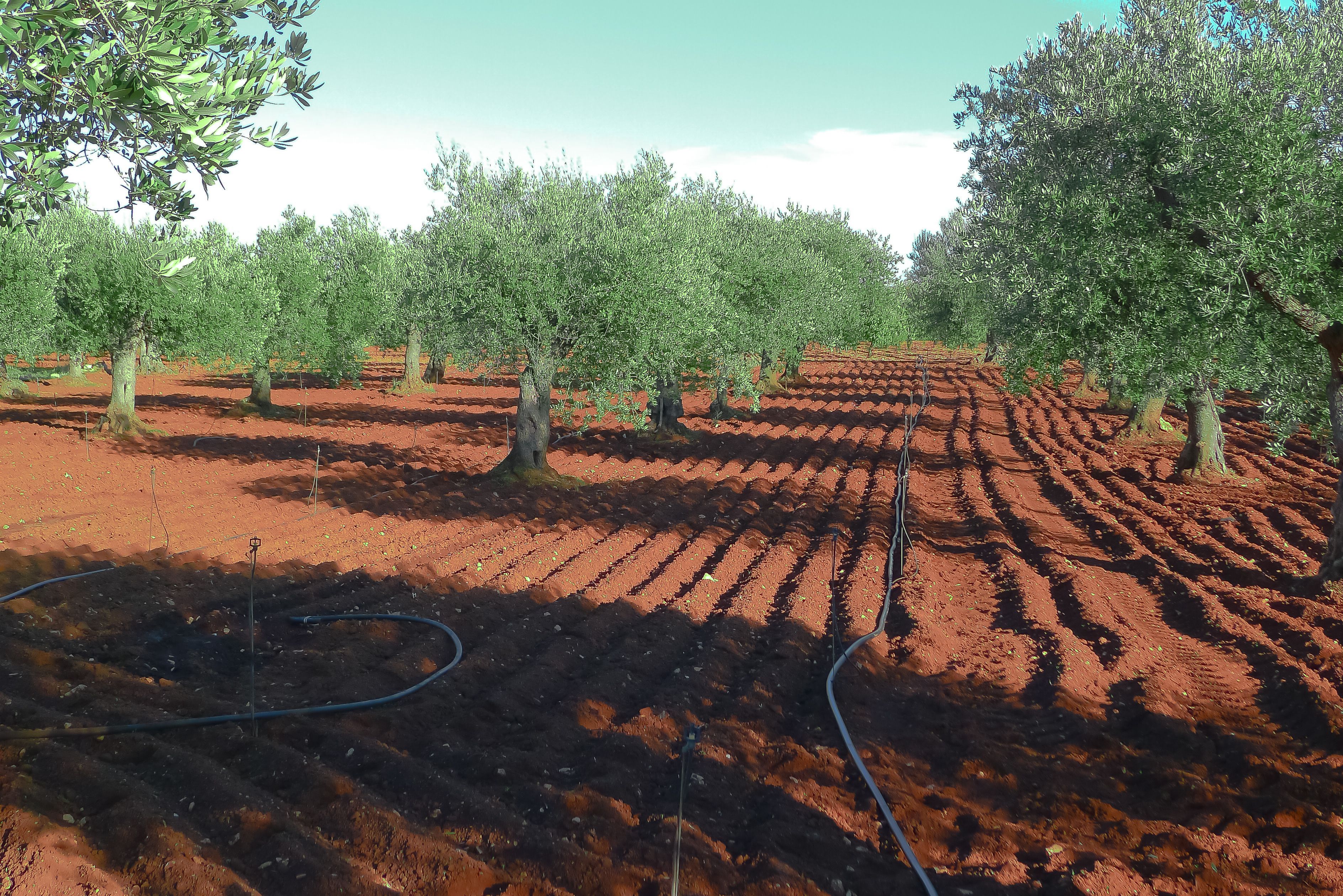
Another common myth is that olive trees need frequent watering. In reality, olive trees are drought-resistant and prefer infrequent, deep watering. Overwatering can harm the trees, making them susceptible to root rot and other diseases.
Understanding Water Needs
It's crucial to adjust watering practices according to the tree's age and the local climate. Young trees may need more attention, but mature trees thrive with less frequent irrigation, especially during dry periods.
Myth 3: All Olive Varieties Are the Same
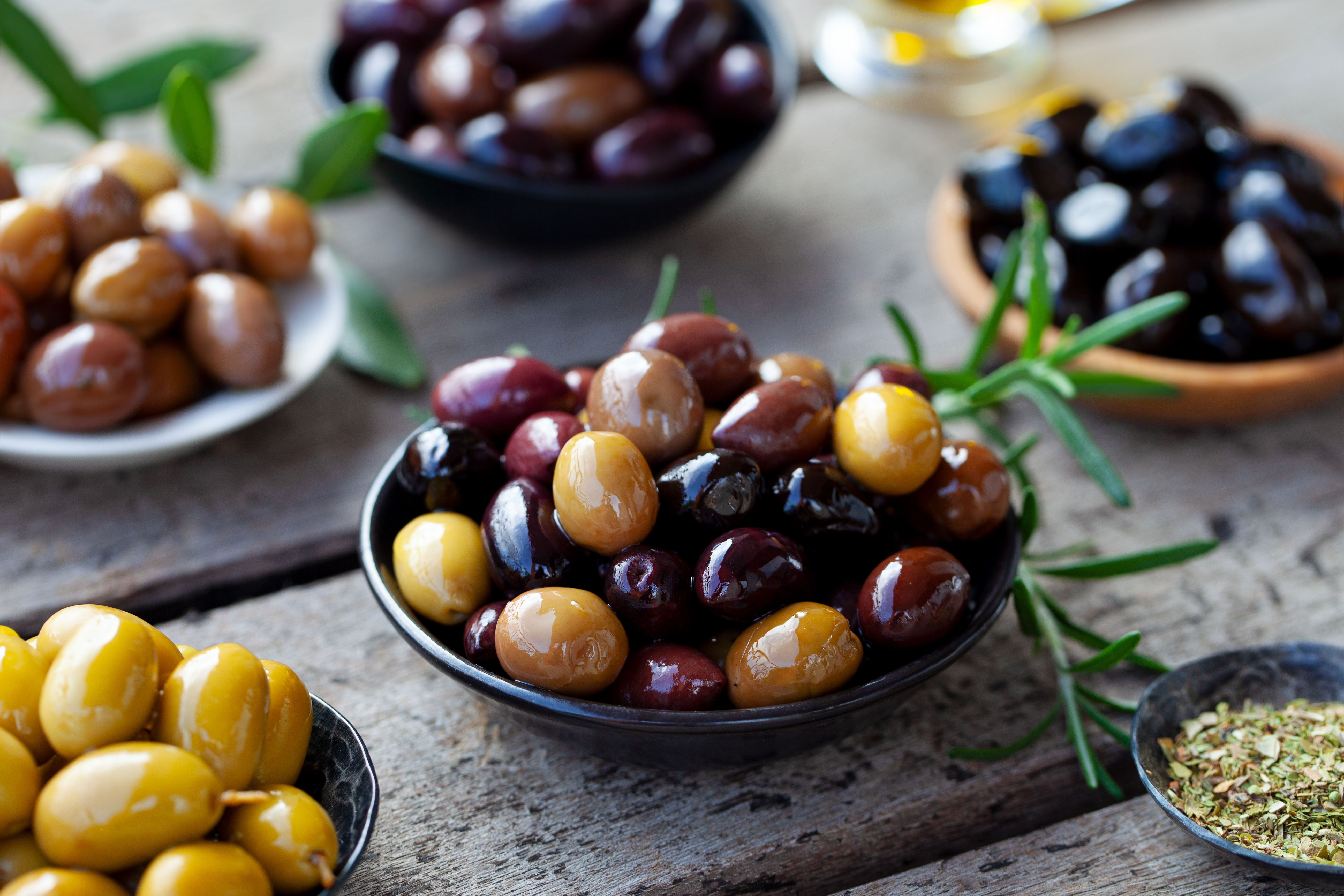
Olive varieties are as diverse as wine grapes, with each offering distinct flavors, oil content, and uses. From the robust flavor of the Kalamata to the milder Arbequina, understanding these differences is essential for both growers and consumers.
Choosing the Right Variety
Selection depends on factors like climate, intended use (oil or table olives), and personal preference. Growers should research and choose varieties that align with their goals and environmental conditions.
Myth 4: Olives Cannot Be Grown Organically
Some believe that organic olive cultivation is unfeasible due to pest and disease challenges. However, organic farming practices, such as integrated pest management and natural fertilizers, can effectively support olive production.
Benefits of Organic Farming
Organic cultivation not only contributes to environmental sustainability but also often results in higher quality olives. By reducing chemical inputs, growers can produce healthier, more flavorful fruits that appeal to conscientious consumers.
Conclusion: Embracing the Facts
Debunking these myths helps foster a better understanding of olive cultivation's potential and challenges. By embracing accurate information, growers can make informed decisions and contribute to the global appreciation of olives.