Comparing Traditional vs. Modern Olive Harvesting Techniques


Introduction to Olive Harvesting
Olive harvesting is an ancient practice that has evolved significantly over the centuries. Traditional methods have been used for thousands of years, while modern techniques are constantly developing to improve efficiency and quality. Understanding the differences between these methods is essential for both producers and consumers.

Traditional Olive Harvesting Techniques
Hand Picking
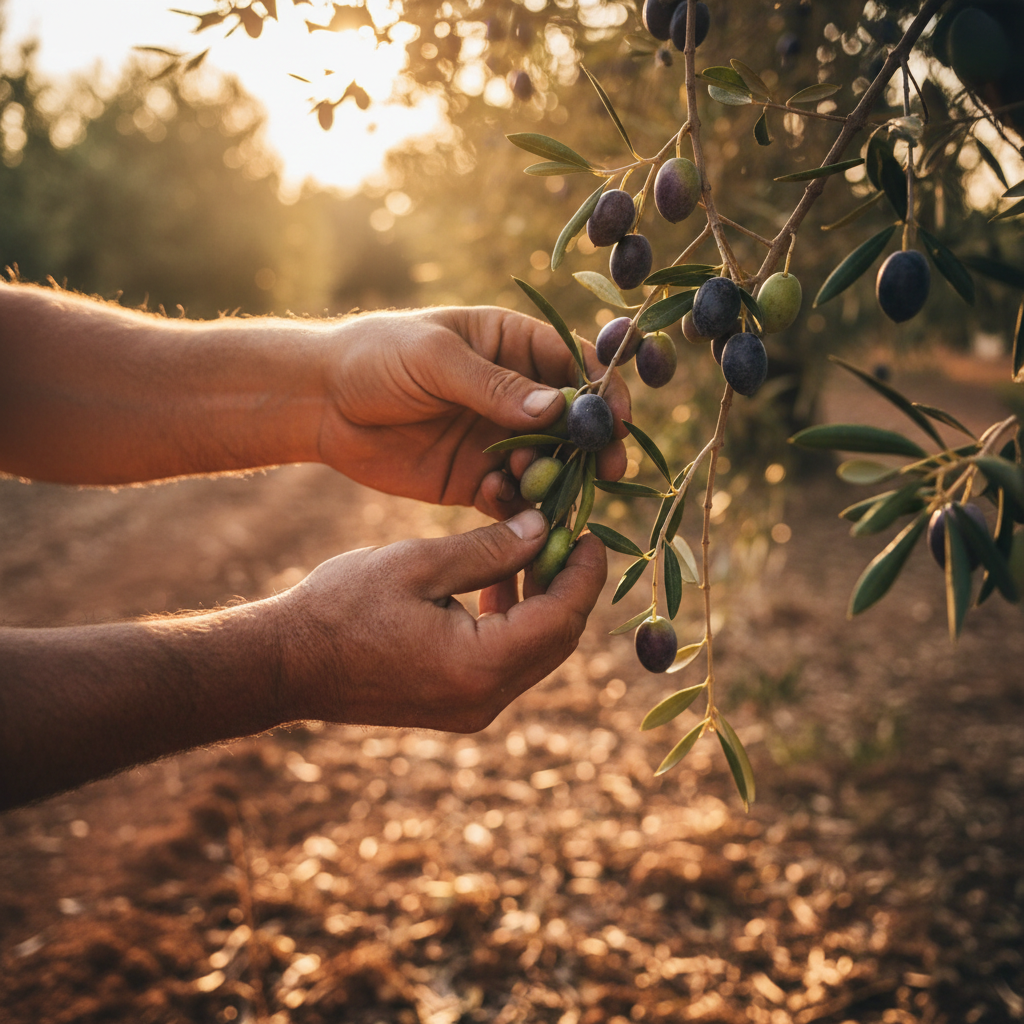
One of the most common traditional methods is hand picking. This labor-intensive process involves carefully selecting and picking olives by hand, ensuring the highest quality. Hand picking allows for selecting only ripe olives, which can result in superior oil quality.
Tree Shaking
Another traditional technique is tree shaking, where workers use long poles to shake the branches. This method is less selective than hand picking, but it allows for faster harvesting. The olives fall onto nets placed beneath the trees, minimizing damage and preserving quality.
Modern Olive Harvesting Techniques
Mechanical Harvesters
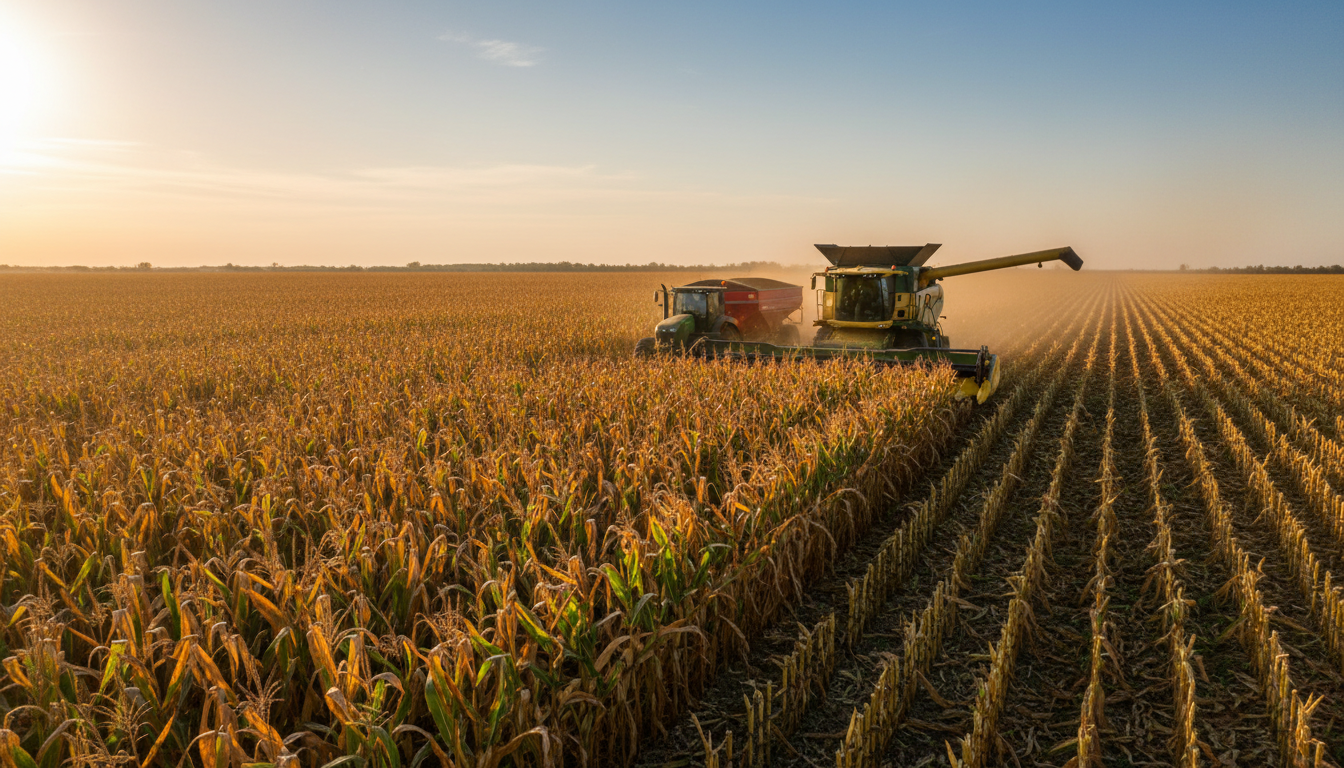
Modern technology has introduced mechanical harvesters that significantly increase efficiency. These machines can harvest large areas quickly, reducing the time and labor needed. Mechanical harvesters gently shake the trees, similar to traditional tree shaking, but with greater consistency and speed.
Advanced Sorting Technologies
Modern techniques also include advanced sorting technologies that ensure only the best olives are processed. Machines equipped with sensors can sort olives based on size, color, and ripeness, dramatically improving the quality of the final product.
Comparing Efficiency and Quality
While traditional methods are often praised for their quality control, modern techniques offer unparalleled efficiency. Hand picking ensures that only the best olives are harvested, but it is time-consuming. In contrast, mechanical harvesters can cover vast areas quickly, though they may be less selective.
Impact on Flavor
The method of harvesting can also impact the flavor of olive oil. Traditional methods may produce oils with more nuanced flavors due to careful selection. However, modern techniques allow for rapid processing, which can help preserve the freshness and natural taste of the olives.
Sustainability and Environmental Impact
Both traditional and modern methods have implications for sustainability. Hand picking is environmentally friendly, but labor-intensive. Mechanical harvesting reduces the need for labor but may consume more energy. Advances in technology are continuously working to make modern methods more sustainable.

Conclusion
Both traditional and modern olive harvesting techniques have their advantages and challenges. While traditional methods focus on quality and selectivity, modern techniques prioritize efficiency and speed. The choice between them often depends on the scale of production and the desired quality of the final product. As technology evolves, the integration of both methods may offer the best of both worlds, ensuring high-quality olive oil production for future generations.