Comparing Olive Varieties: Which Type is Best for Your Orchard?


Choosing the right olive variety for your orchard can significantly impact the quality and yield of your harvest. With numerous types available, each with its unique characteristics, understanding their differences is crucial to making an informed decision. In this post, we'll explore some popular olive varieties to help you determine which might be best suited for your needs.
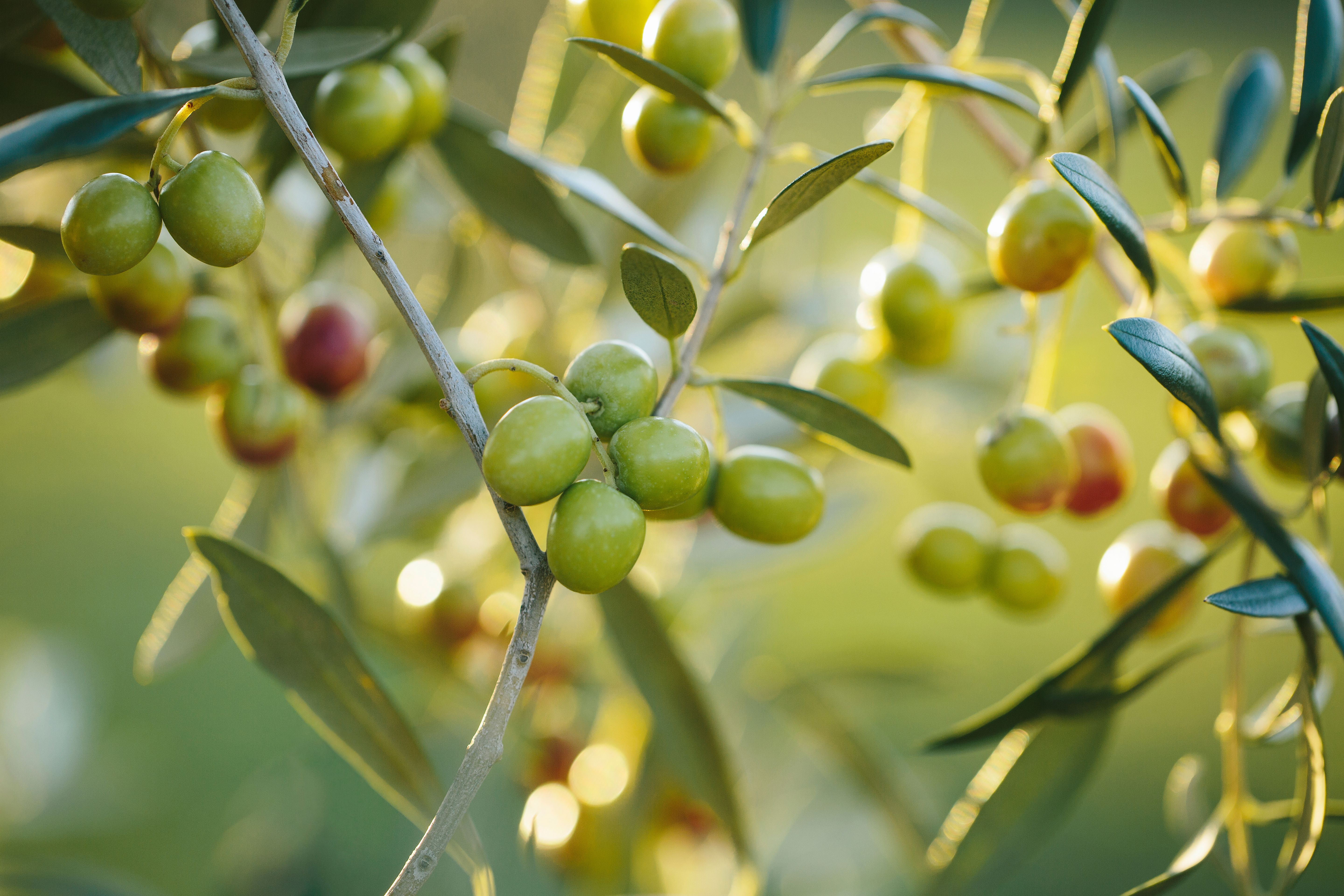
Understanding Olive Varieties
Olives can broadly be categorized into two main types: those primarily used for oil production and those grown for table consumption. Each type has specific qualities that make them ideal for their intended purpose. Let's delve deeper into these categories.
Oil Varieties
When it comes to oil production, some olive varieties are renowned for their high oil content and rich flavors. Here are a few popular options:
- Arbequina: Originating from Spain, Arbequina olives are small and produce a mild, buttery oil. They are highly adaptable and thrive in various climates.
- Frantoio: A staple in Italian olive oil production, Frantoio is known for its fruity and slightly spicy oil. It requires a temperate climate and well-drained soil.
- Koroneiki: This Greek variety is celebrated for its robust and peppery oil, boasting high levels of antioxidants. It's particularly resilient to windy conditions.

Table Varieties
Table olives are grown for their taste and texture, making them perfect for culinary uses. Here are a few varieties that stand out:
Popular Table Olives
For those interested in table olives, consider the following varieties:
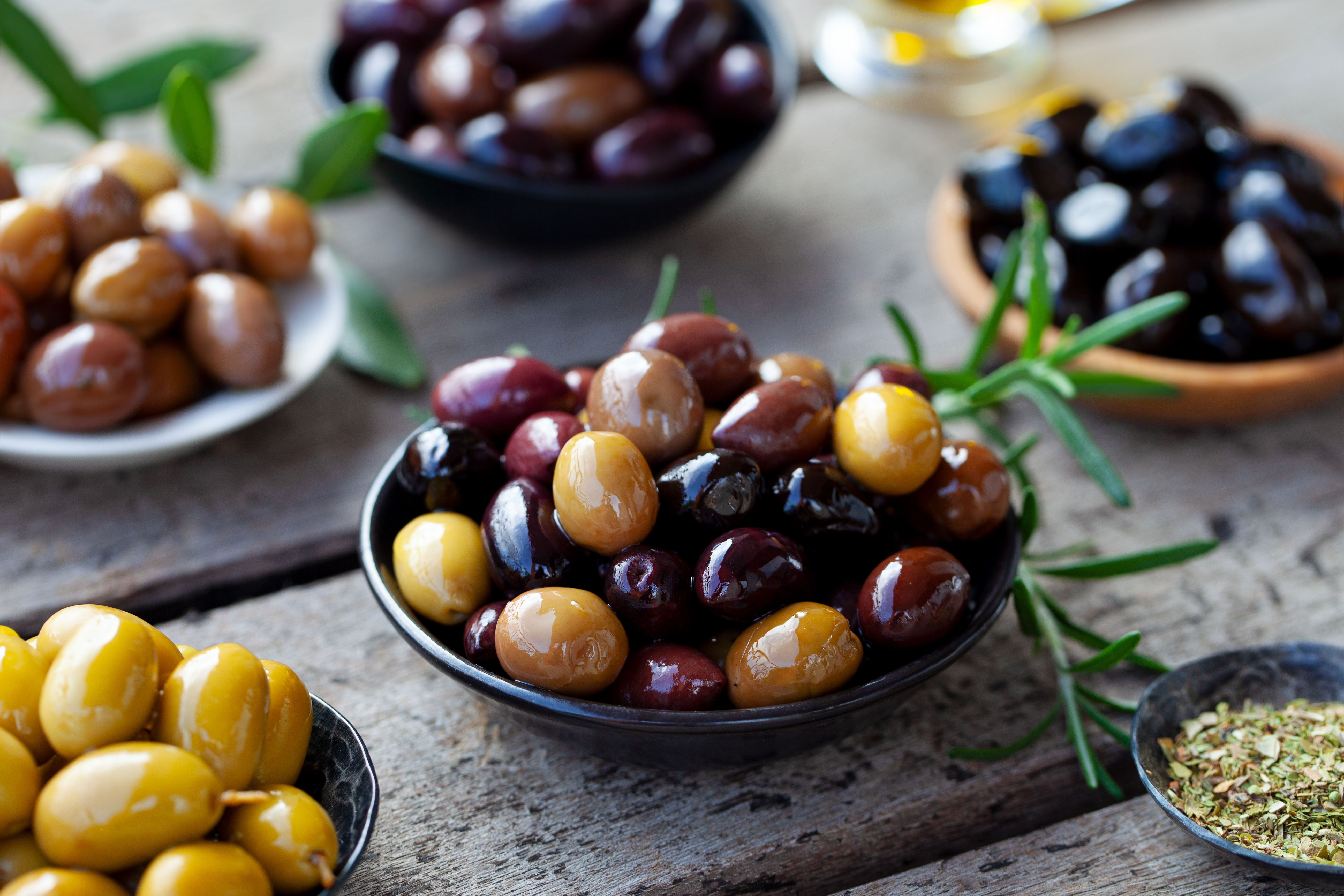
- Manzanilla: Known for its slightly nutty flavor, Manzanilla is one of the most popular table olives worldwide. It's often used in salads and as a garnish.
- Kalamata: These Greek olives are easily recognizable by their almond shape and deep purple color. They have a rich, fruity flavor, ideal for Mediterranean dishes.
- Castelvetrano: Originating from Sicily, Castelvetrano olives are sweet and mild, offering a vibrant green color. They are perfect for snacking and antipasto platters.
Factors to Consider
When selecting an olive variety for your orchard, consider the following factors:
- Climate: Different varieties have specific climate preferences. Ensure your chosen type is well-suited to your region's climate.
- Soil Type: Some olives require well-drained soil, while others are more tolerant. Test your soil to understand its properties.
- Purpose: Decide whether your primary goal is oil production or table consumption, as this will guide your variety selection.
By carefully evaluating these factors, you can select the olive variety that will thrive in your orchard, providing abundant harvests for years to come. Whether you prefer the robust flavors of Koroneiki oil or the delicious taste of Castelvetrano olives, there's a perfect variety waiting for you.