Comparing Olive Varieties: Which One is Right for Your Needs?


Understanding Olive Varieties
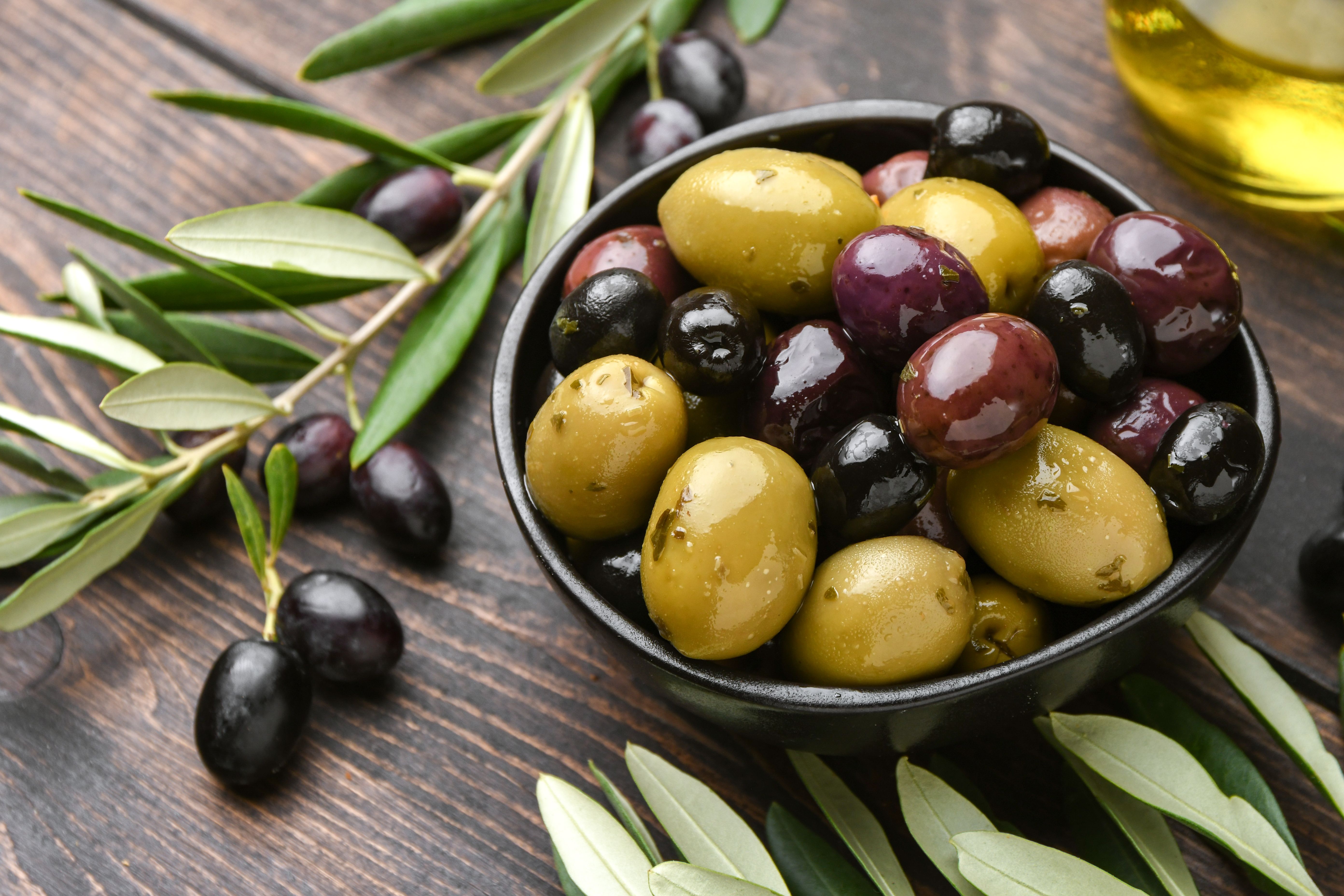
Olives are a staple in various cuisines around the world, offering a distinctive taste and numerous health benefits. However, not all olives are created equal. Understanding the differences between olive varieties can help you choose the right one for your culinary needs.
Olives can be categorized based on their size, flavor, and use. While some are perfect for pressing into oil, others are best enjoyed as table olives. Let’s explore some popular varieties and their unique characteristics.
Popular Olive Varieties
Manzanilla
Manzanilla olives are small, green, and typically found in Spanish cuisine. Known for their slightly nutty flavor and firm texture, they are often used as table olives and are perfect for stuffing with pimentos or almonds.
Kalamata
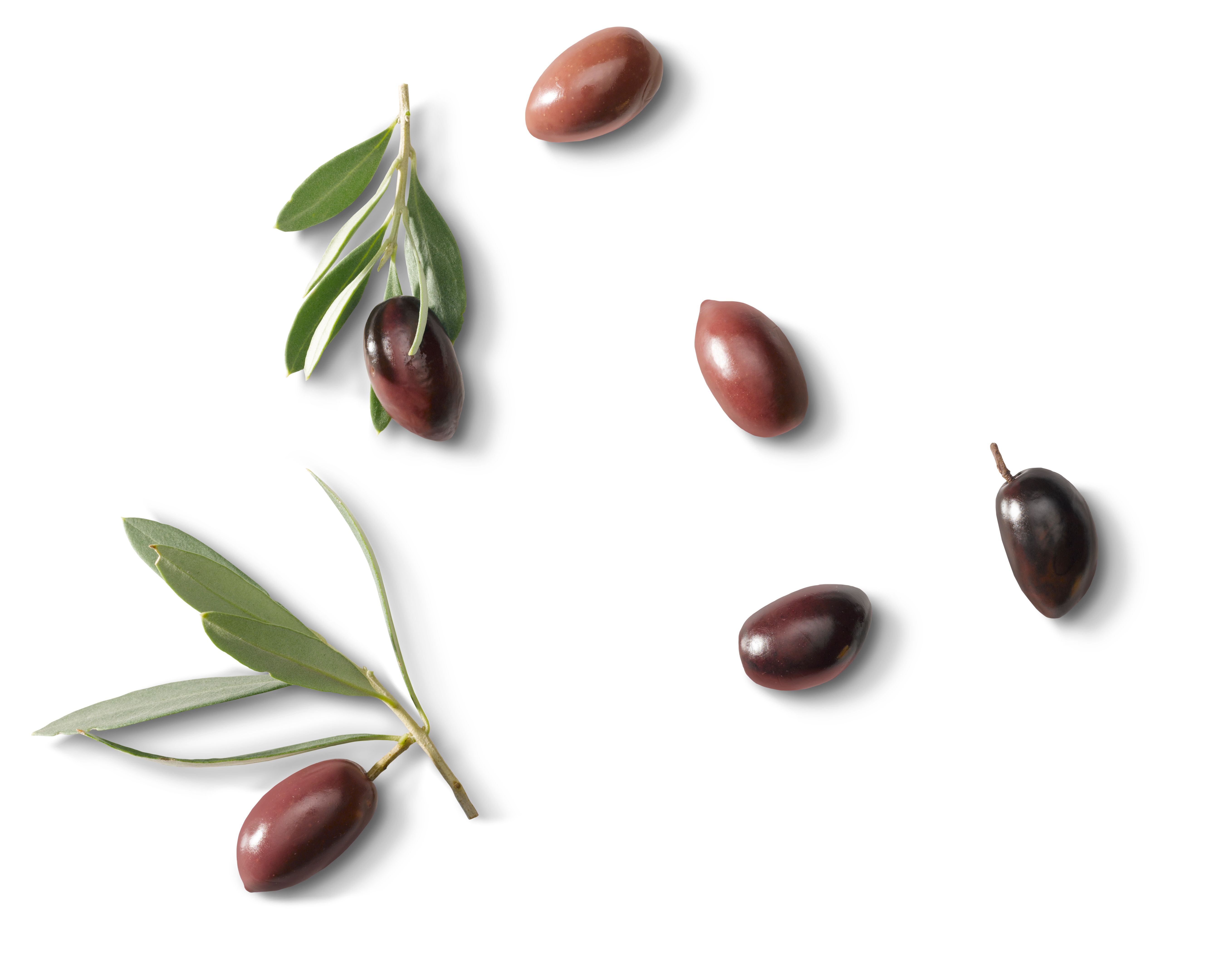
Originating from Greece, Kalamata olives are dark purple and almond-shaped. They are renowned for their rich, fruity flavor and are ideal for salads, tapenades, and Mediterranean dishes. Kalamata olives are often cured in red wine vinegar, enhancing their robust taste.
Castelvetrano
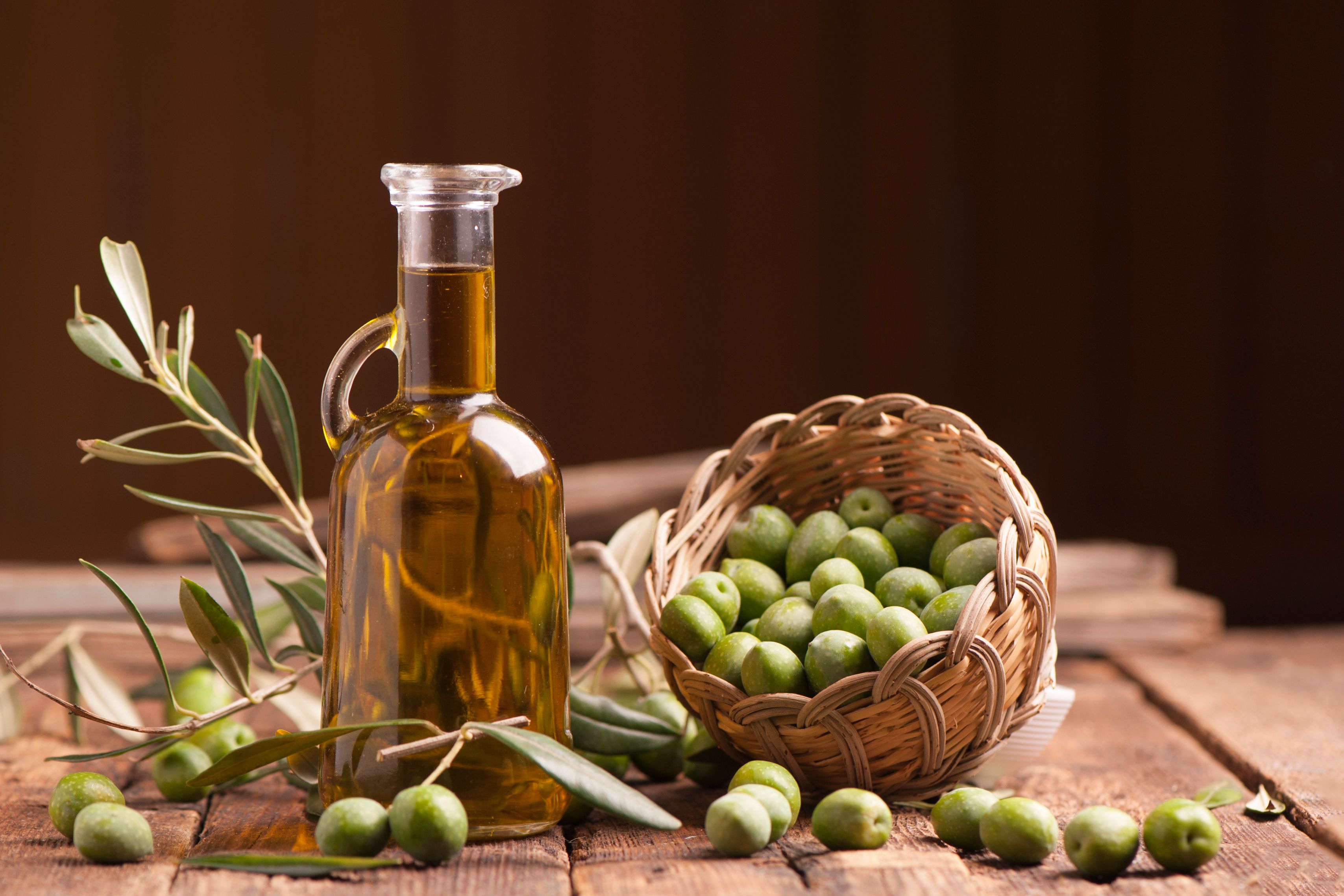
If you prefer a milder taste, Castelvetrano olives are a great choice. These Sicilian olives are known for their bright green color and sweet, buttery flavor. They are excellent as a snack or appetizer, appealing even to those who aren’t typically olive enthusiasts.
Choosing the Right Olive for Your Needs
When selecting olives, consider the following factors to ensure you pick the right variety for your needs:
- Flavor Profile: Do you prefer mild or robust flavors?
- Usage: Are you using olives for cooking, snacking, or oil production?
- Texture: Some dishes may require firm olives, while others benefit from softer textures.
Olives and Health Benefits
Olives are not only delicious but also packed with health benefits. Rich in monounsaturated fats, they can aid in heart health and reduce inflammation. Olives are also a good source of vitamin E and antioxidants.
Including olives in your diet can provide a range of health advantages, making them a worthwhile addition to your meals. Whether you prefer them whole, sliced, or pressed into oil, there's an olive variety to meet your dietary and culinary needs.
Conclusion
With numerous varieties to choose from, selecting the right olive can enhance your culinary creations. Whether you are drawn to the nutty flavor of Manzanilla, the robust taste of Kalamata, or the mild sweetness of Castelvetrano, there's an olive variety perfect for every palate and dish.
Experimenting with different types can open up new flavor possibilities in your cooking, making olives a versatile and delightful ingredient to explore.