Comparing Olive Orchard Management Techniques


The Importance of Olive Orchard Management
Olive orchards have been a cornerstone of agricultural economies in many regions around the world. Proper management of these orchards is crucial for ensuring both the quality and quantity of olive production. With advancements in agricultural technology, various techniques have emerged that offer unique benefits and challenges.

Traditional Management Techniques
Traditional olive orchard management relies heavily on manual labor and age-old practices. This approach often involves pruning trees by hand, using natural fertilizers, and relying on rainwater for irrigation. While these methods are environmentally friendly and promote biodiversity, they can be labor-intensive and less efficient in terms of yield.
One of the main benefits of traditional techniques is their sustainability. By avoiding chemical inputs, these methods help maintain soil health and protect local ecosystems. However, the downside is that they may not meet the demands of large-scale production.
Modern Intensive Techniques
In contrast, modern intensive techniques focus on maximizing productivity through the use of technology and scientific advancements. These methods include mechanized pruning, drip irrigation systems, and the application of synthetic fertilizers and pesticides. While these techniques can significantly increase yield, they also come with environmental concerns.
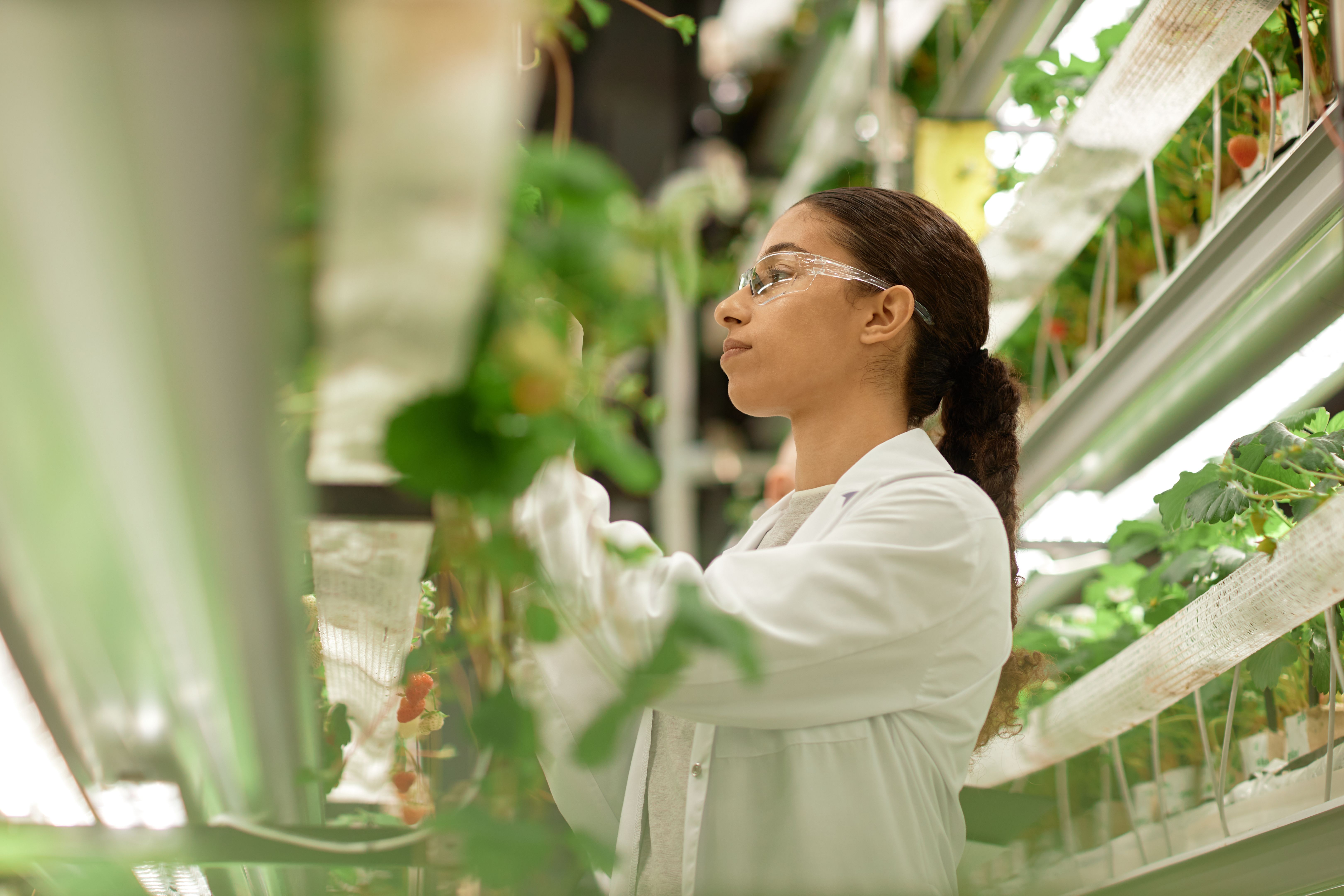
Intensive management techniques allow farmers to efficiently utilize land and resources, leading to higher profits. However, the reliance on chemicals can lead to soil degradation and water pollution, posing long-term sustainability issues.
Organic Orchard Management
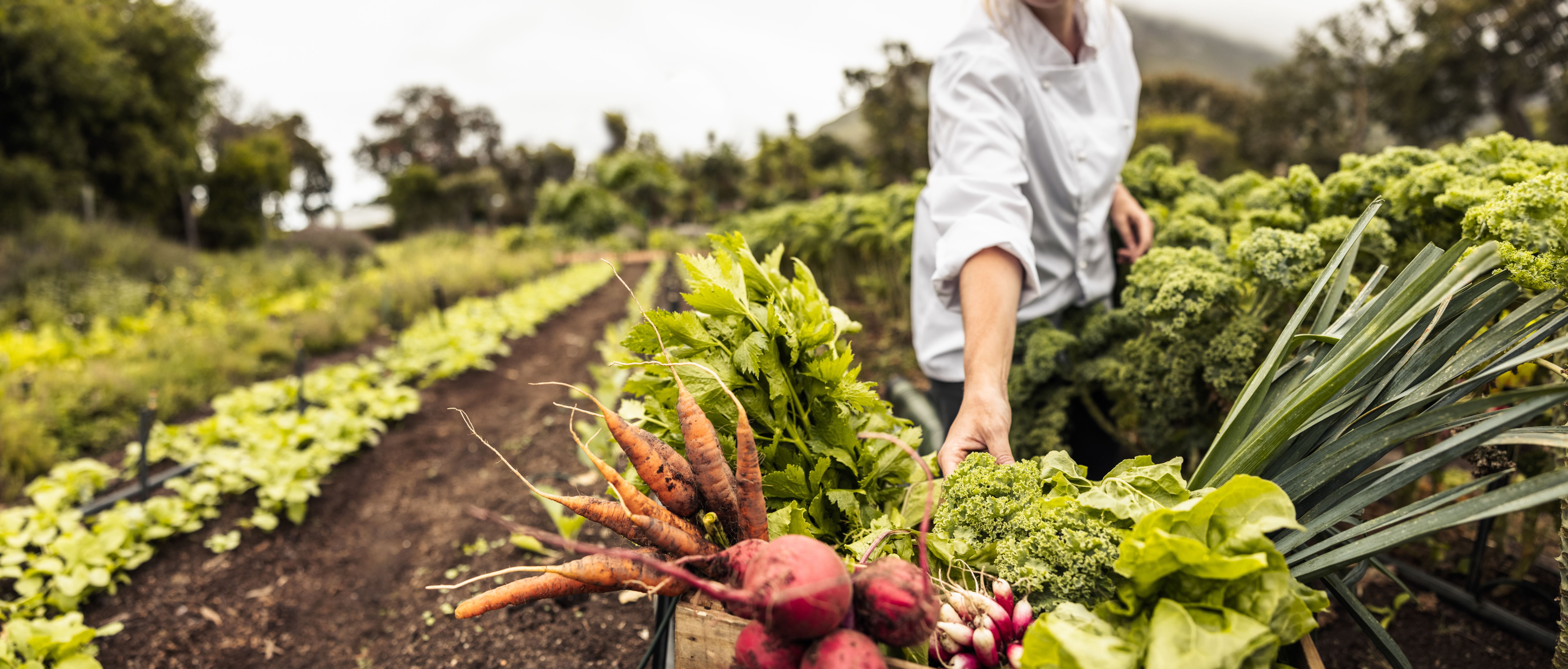
Organic orchard management strikes a balance between traditional and modern methods. It emphasizes the use of organic fertilizers and pest control methods while sometimes incorporating technology for efficiency. This approach aims to produce high-quality olives without compromising environmental health.
The demand for organic products is on the rise, making organic orchard management a lucrative option. However, it requires careful planning and may involve higher initial costs due to certification and compliance with organic standards.
Comparing Yields and Quality
When comparing these techniques, it's essential to consider both yield and quality. Traditional methods often produce olives with superior taste and nutritional value, while modern techniques typically result in higher yields. Organic methods aim to offer the best of both worlds, providing quality produce without sacrificing yield.
- Traditional Methods: High quality, lower yield
- Modern Intensive Methods: High yield, potential quality trade-offs
- Organic Methods: Balanced quality and yield
Environmental and Economic Impacts
The environmental impact of each management technique varies significantly. Traditional methods are generally more sustainable but less economically viable for large-scale operations. Modern techniques, while economically advantageous, may have adverse environmental effects. Organic methods offer a middle ground but require careful management to be both sustainable and profitable.
Ultimately, the choice of management technique will depend on the specific goals and resources of the orchard. As consumer awareness and demand for sustainable products grow, more orchards may shift toward organic and environmentally friendly practices.