Common Myths About Olive Farming Debunked


Olive Farming: Myths and Realities
Olive farming has been around for centuries, yet it remains shrouded in misconceptions. These myths can discourage potential farmers or mislead consumers about the industry. In this post, we aim to debunk some of the most common myths about olive farming.
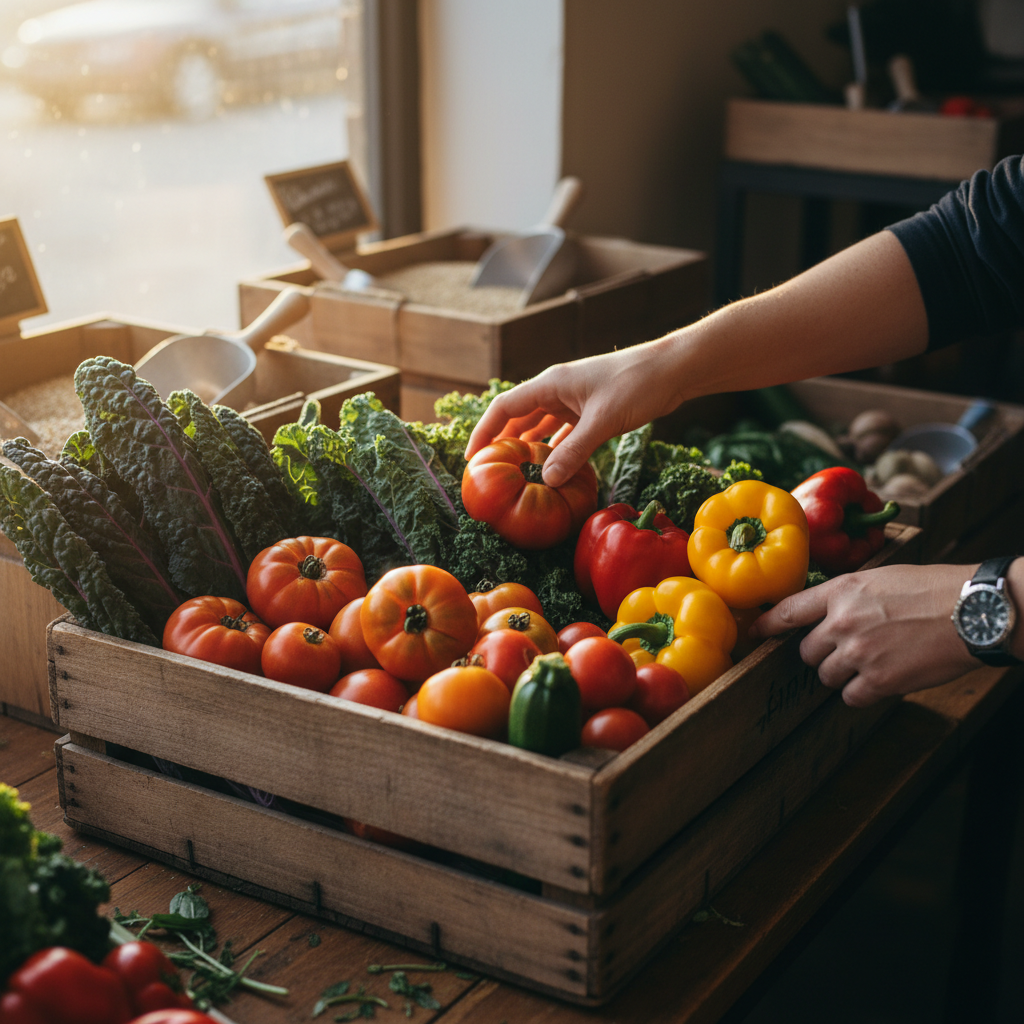
Myth: Olive Trees Require Constant Watering
One prevalent myth is that olive trees need frequent watering. In reality, olive trees are remarkably drought-resistant. They have adapted to thrive in arid climates with minimal water. While young trees require regular irrigation to establish their roots, mature trees can survive on significantly less water, making them ideal for regions with scarce rainfall.
Over-watering can actually harm olive trees, leading to root rot and other complications. It's important for farmers to understand the specific needs of their groves and adjust their irrigation practices accordingly.
Myth: Olive Trees Only Grow in Mediterranean Climates
While it's true that olive trees flourish in Mediterranean climates, they are not limited to these regions. Olive trees can grow in various parts of the world, including areas in the United States, South America, and Australia. The key is to provide them with the right conditions: mild winters, hot summers, and well-drained soil.
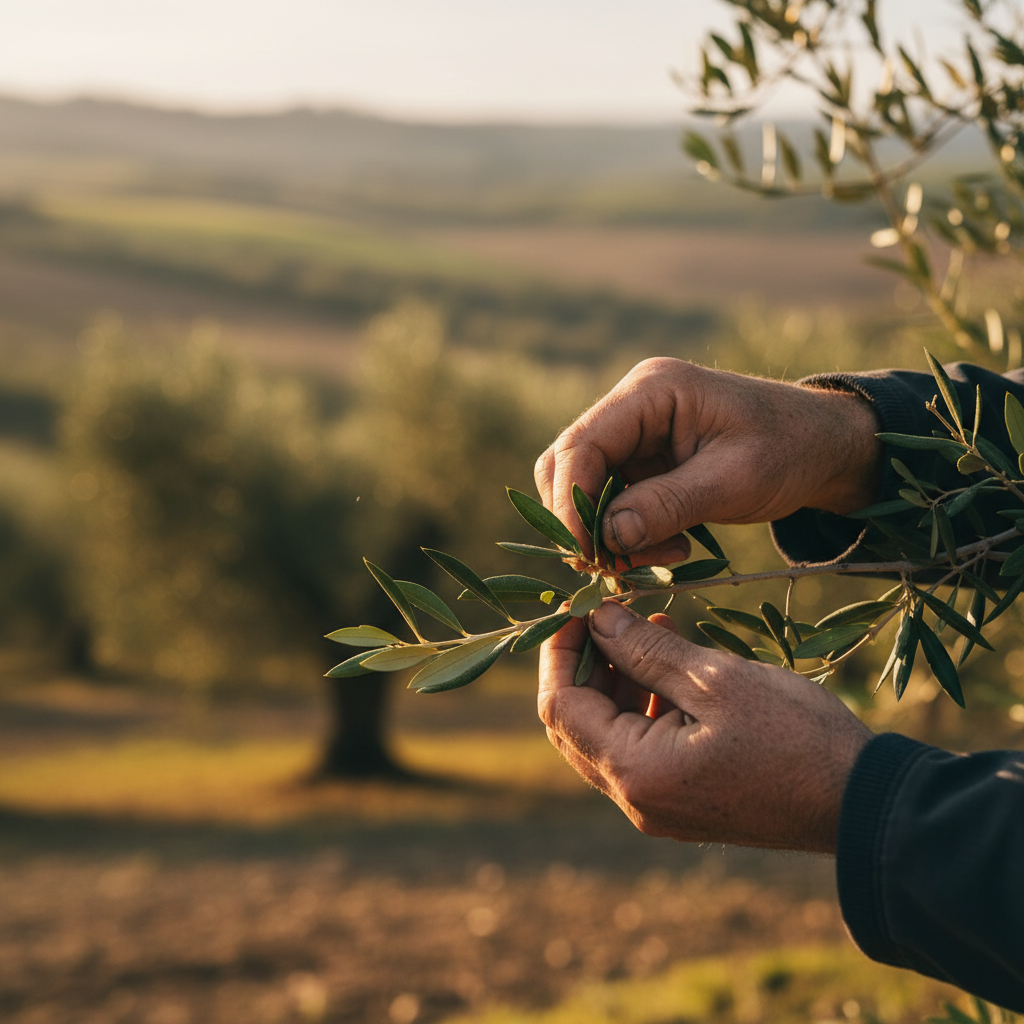
Myth: All Olive Oils Are the Same
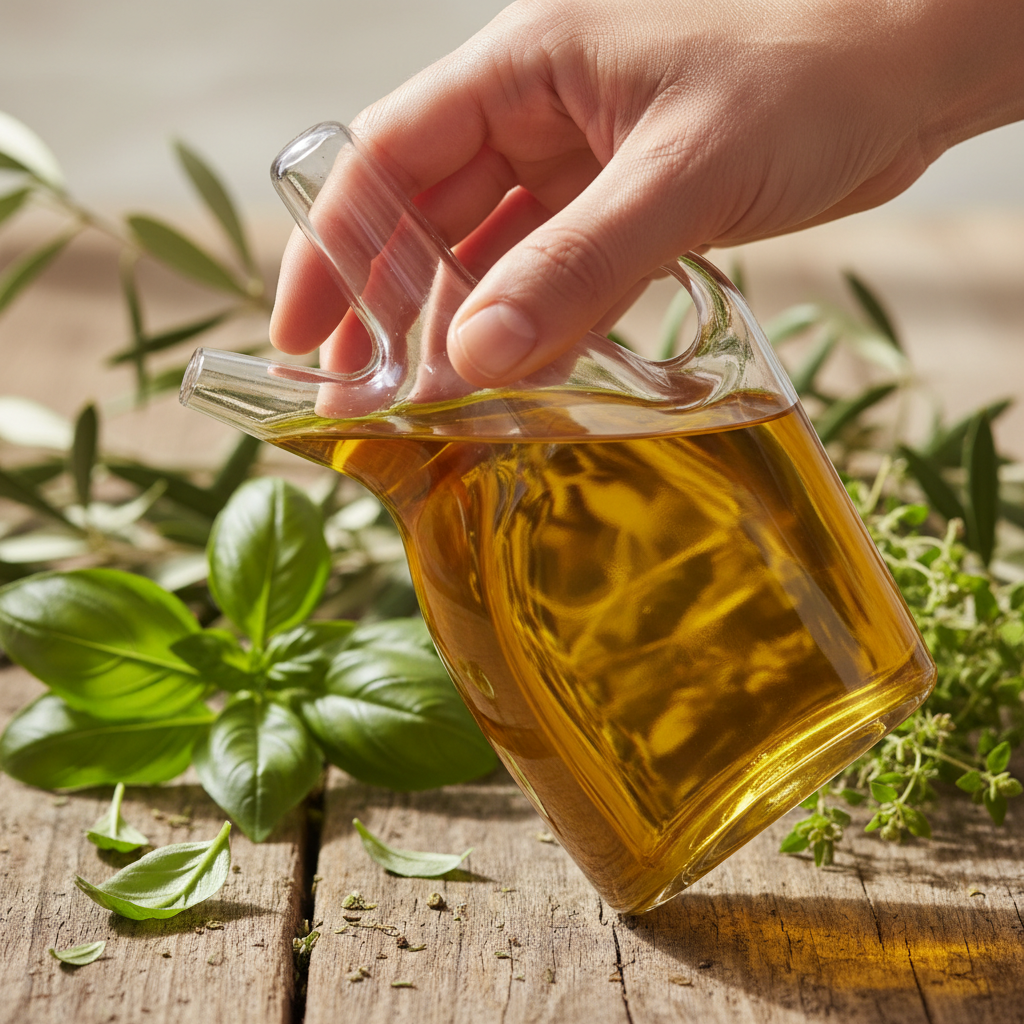
Another common misconception is that all olive oils are identical. In fact, there are different grades of olive oil, each with unique characteristics. Extra virgin olive oil is considered the highest quality, made from the first pressing of the olives and containing no additives.
Other grades include virgin, pure, and light olive oil, each with varying levels of refinement and flavor profiles. Understanding these differences can help consumers make informed choices about the olive oil they purchase.
Myth: Olive Farming is Not Environmentally Friendly
There is a belief that olive farming is detrimental to the environment. However, when managed sustainably, olive groves can be quite eco-friendly. Olive trees can help combat soil erosion, support biodiversity, and even act as carbon sinks, absorbing CO2 from the atmosphere.
Sustainable farming practices, such as organic farming and integrated pest management, further enhance the environmental benefits of olive cultivation.
Myth: Olive Harvesting is Entirely Manual
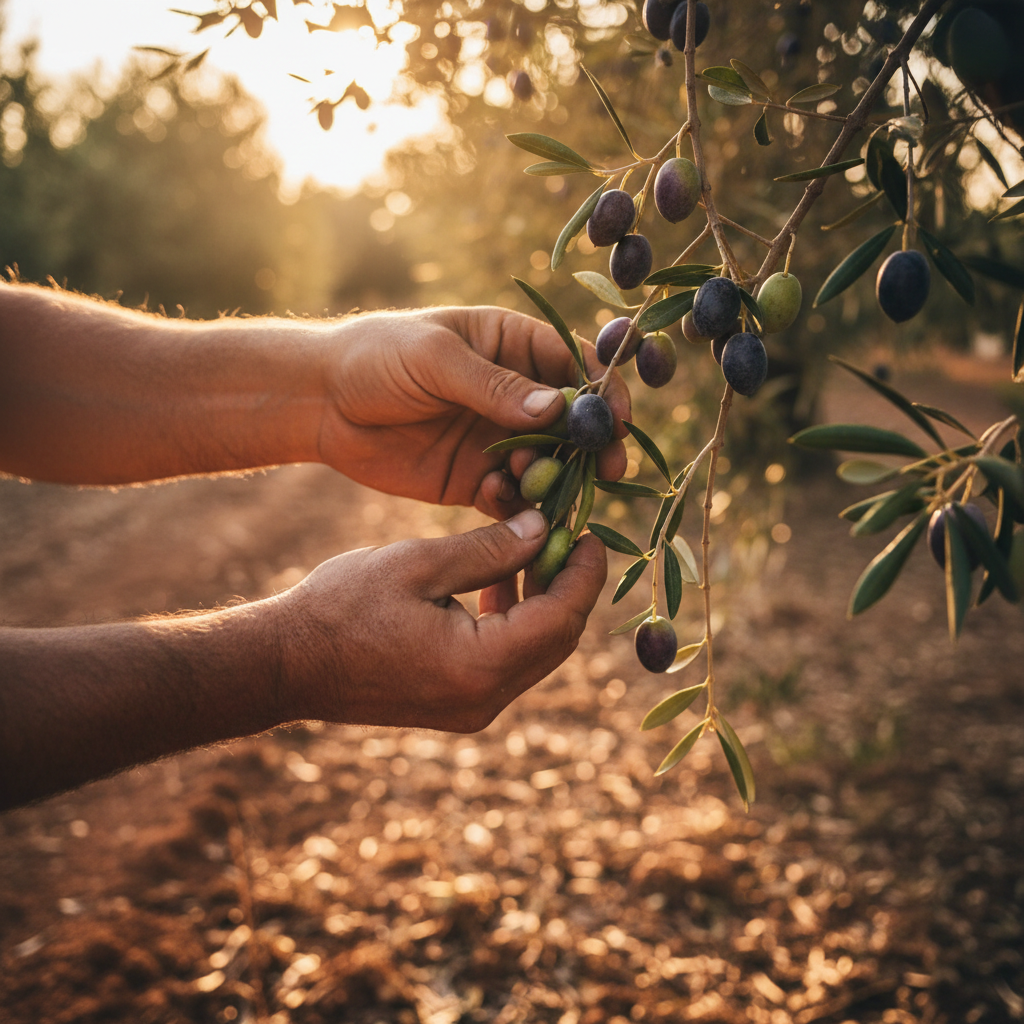
Many people imagine olive harvesting as a labor-intensive, manual process. While hand-picking is still practiced, especially for high-quality oils, modern technology has introduced mechanized harvesting methods. These machines can efficiently collect olives, reducing labor costs and time.
However, the choice between manual and mechanized harvesting often depends on the size of the farm, the type of olives grown, and the desired quality of the oil.
Conclusion
Understanding the realities of olive farming can help dispel myths and promote a more accurate view of this ancient practice. Whether you're a consumer, a potential farmer, or simply an olive oil enthusiast, recognizing these truths can enhance your appreciation for this remarkable industry.