Choosing Between Organic and Conventional Farming: What’s Right for You?


Understanding Organic and Conventional Farming
When it comes to choosing between organic and conventional farming, the decision isn't always straightforward. Both methods have their advantages and challenges, and what works best depends on various factors including your goals, resources, and priorities. Understanding the key differences can help you make an informed choice.
What Is Organic Farming?
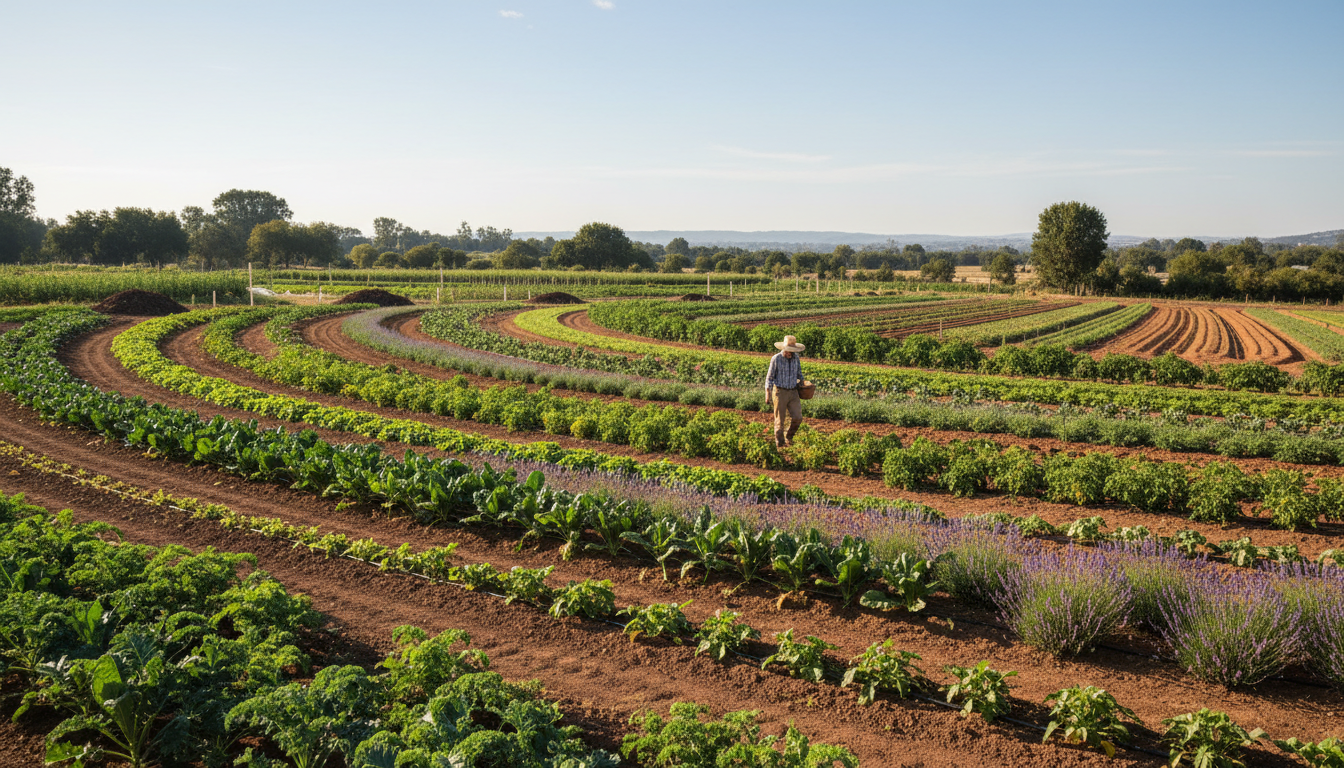
Organic farming emphasizes natural processes and inputs. It avoids synthetic fertilizers and pesticides, relying instead on compost, green manure, and biological pest control. This method promotes biodiversity, soil health, and ecological balance. Many consumers are drawn to organic products due to perceived health benefits and environmental concerns.
Conventional Farming Explained
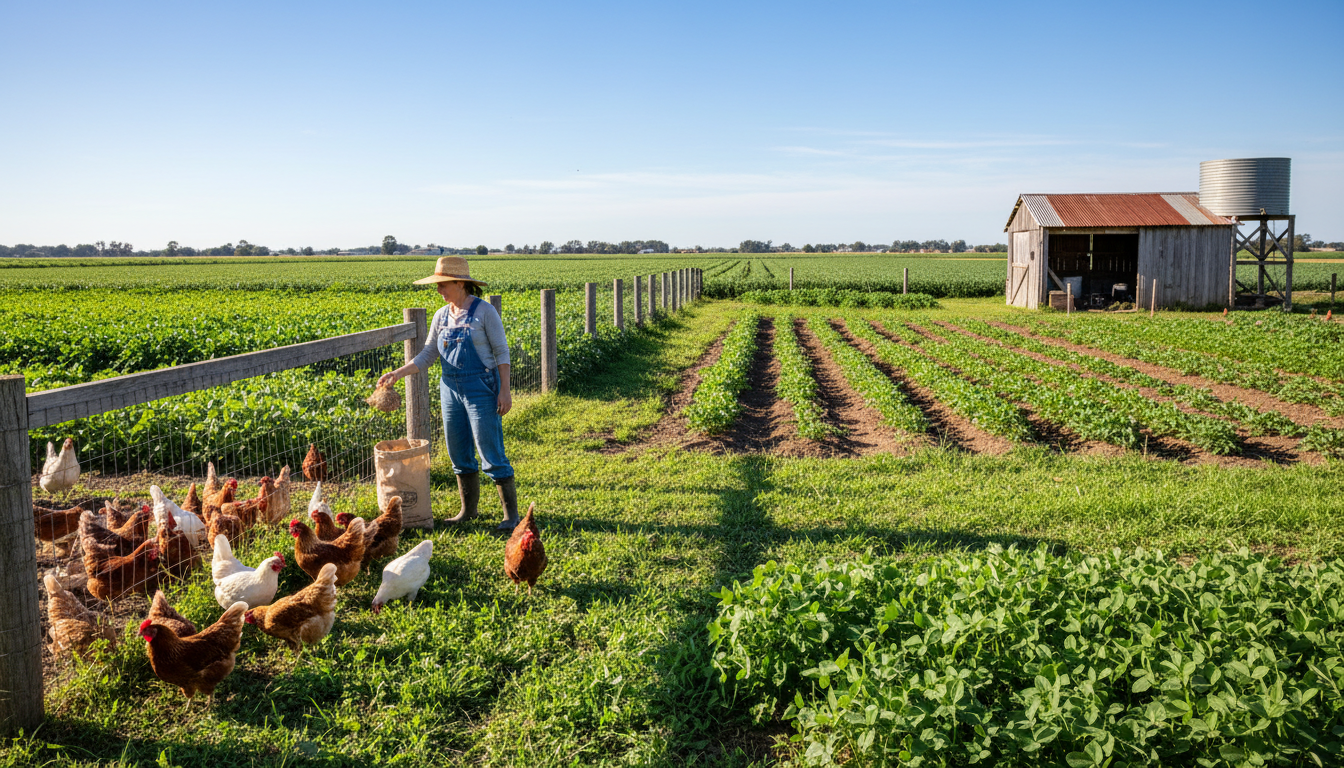
Conventional farming, on the other hand, often uses chemical fertilizers and pesticides to maximize yield. This approach has been pivotal in feeding the global population, offering efficiency and scalability. While it may raise concerns about chemical residues, it remains a popular choice for many farmers due to its productivity.
Evaluating Your Farming Goals
Your farming goals significantly influence your choice between organic and conventional methods. Here are some considerations:
- Are you prioritizing sustainability and environmental impact?
- Is yield and productivity your main concern?
- Do you wish to cater to a niche market with a focus on organic products?
Cost and Investment
Organic farming can require a higher initial investment due to certification and more labor-intensive practices. However, it can also command higher prices in the market. Conventional farming often has lower initial costs but may involve spending on chemical inputs.
Market Demand and Consumer Preferences
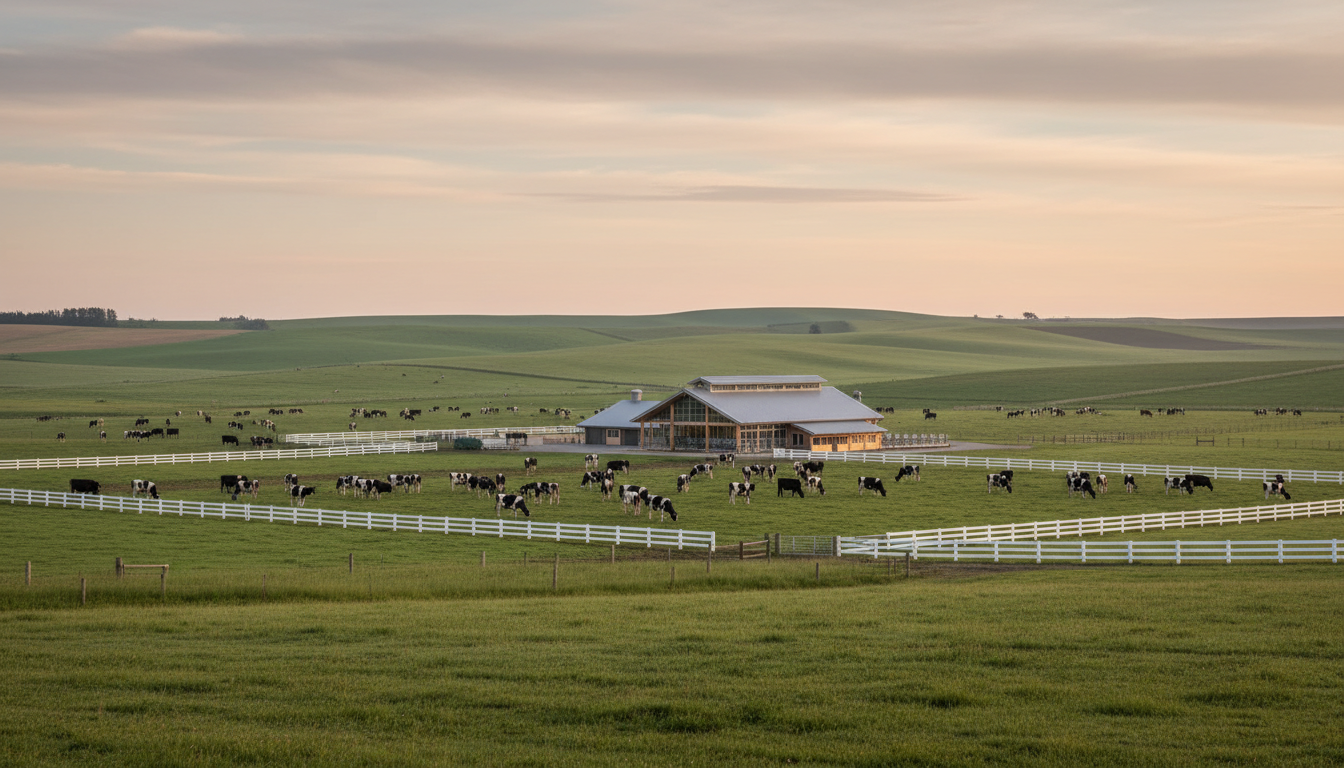
The market demand for organic products has been steadily increasing, driven by consumer awareness and preferences for healthier options. If your target market values organic products, investing in organic farming could be a lucrative venture.
Environmental Considerations
Organic farming is generally perceived as more environmentally friendly, promoting biodiversity and reducing pollution. Conventional farming, while efficient, may contribute to soil degradation and water pollution if not managed carefully.

Conclusion: Making the Right Choice for You
Choosing between organic and conventional farming depends on a combination of personal values, financial considerations, and market opportunities. By evaluating your unique situation and goals, you can make a decision that aligns with your vision for sustainable and profitable farming.