A Step-by-Step Guide to Starting Your Own Olive Orchard in Arizona


Understanding the Climate and Soil Requirements
Starting an olive orchard in Arizona is a rewarding venture, thanks to the state’s favorable climate. Olives thrive in hot, dry conditions, making Arizona's desert environment ideal. However, it's crucial to choose the right location with well-draining soil. Conduct a soil test to ensure the pH level is between 6 and 8, which is optimal for olive trees.
Selecting the Right Olive Varieties
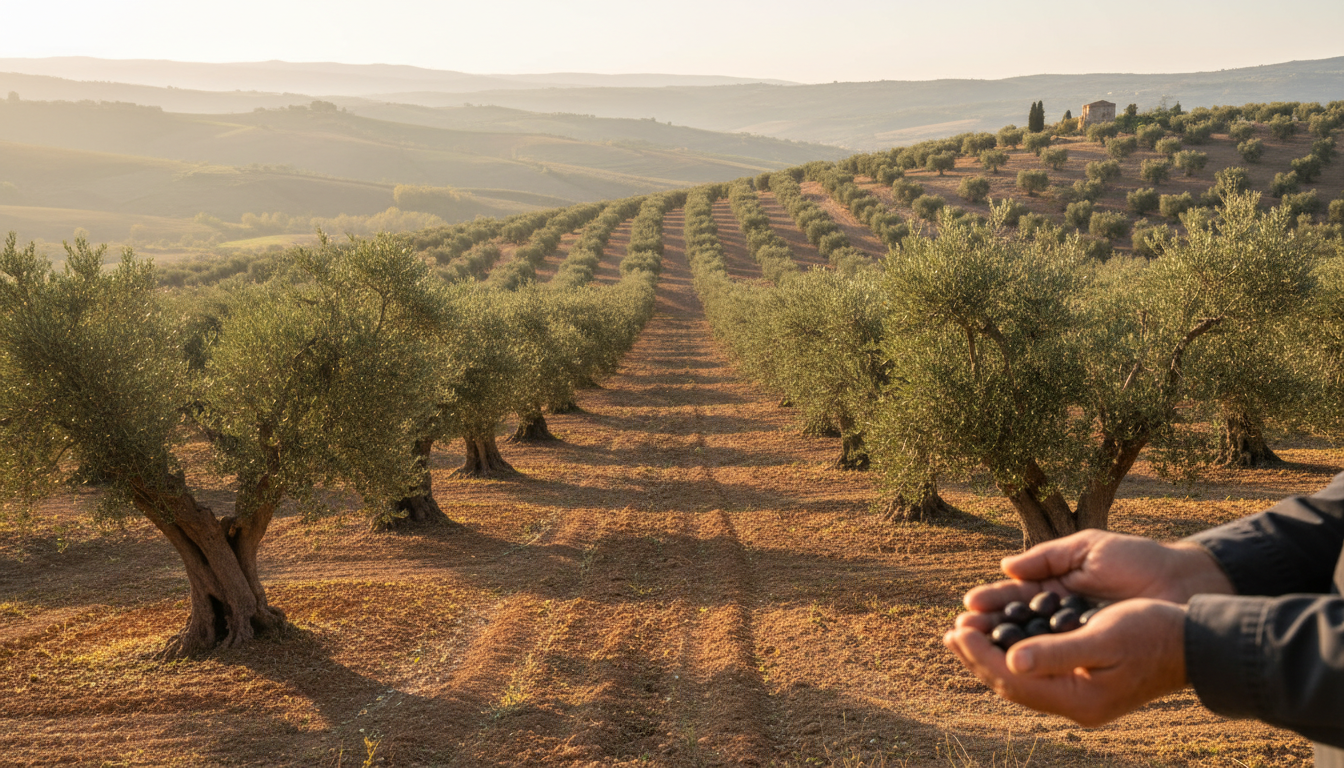
Choosing the right variety of olive is essential for a successful orchard. Some popular varieties that do well in Arizona include Arbequina, Manzanillo, and Mission. Consider the intended use of your olives—whether for oil or table olives—as this will influence your variety choice.
Preparing Your Land
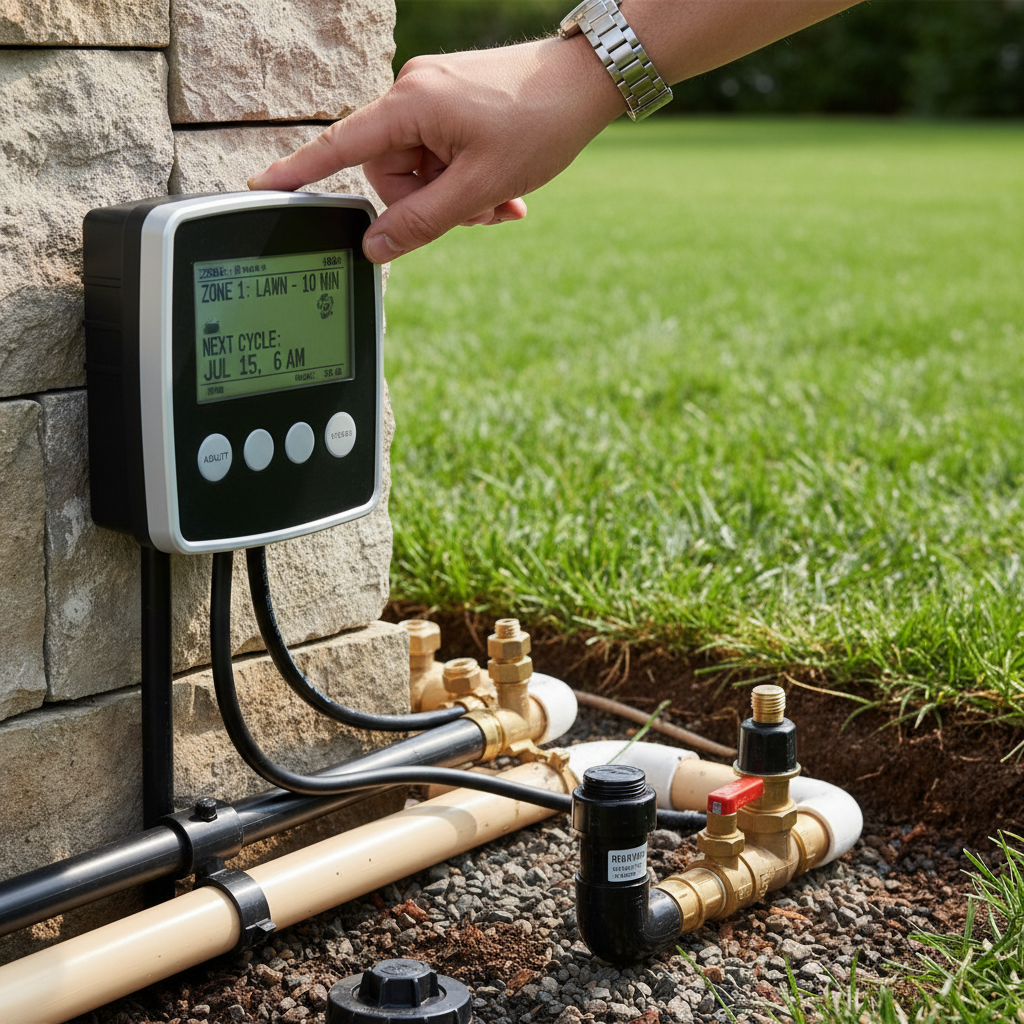
Once you've chosen your site and variety, it's time to prepare the land. Clear the area of any debris and level the ground if necessary. Proper irrigation systems are crucial in Arizona, so install a drip irrigation system to conserve water while ensuring your trees receive enough moisture.
Planting the Olive Trees
Planting typically takes place in the fall or early spring. Space the trees about 20 feet apart to allow adequate sunlight and airflow. Dig holes twice the width of the root ball and as deep as the root ball itself. Place the tree in the hole and cover it with soil, pressing lightly to remove air pockets.
Maintaining Your Orchard
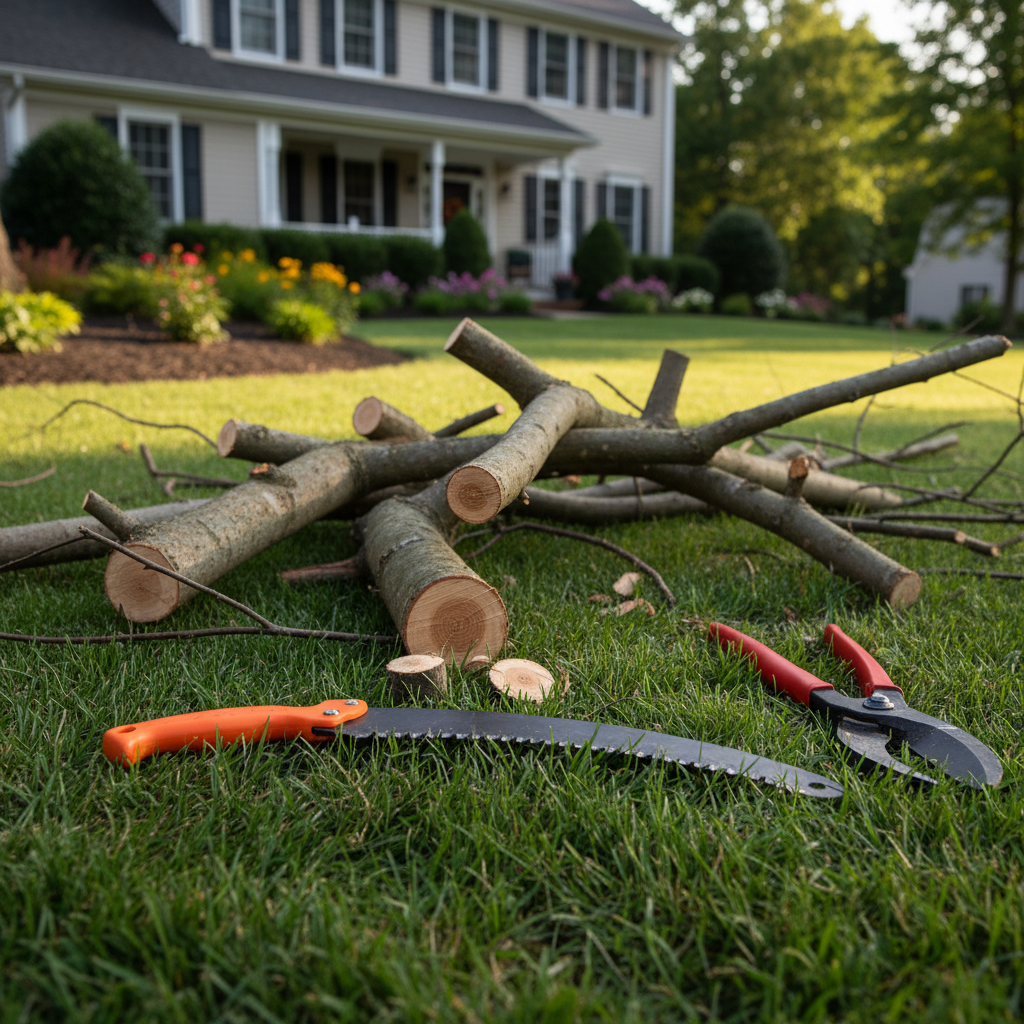
Regular maintenance is key to a thriving olive orchard. Prune the trees annually to maintain shape and remove any dead or diseased branches. Fertilize sparingly, as olive trees do not require much. Monitor for pests such as the olive fruit fly and apply organic treatments when necessary.
Harvesting the Olives
Olives are typically harvested in the late fall when they change color from green to black. For oil production, it's best to harvest when they are slightly under-ripe for higher quality oil. Use handpicking or mechanical methods, depending on the size of your orchard.
Processing and Selling Your Olives
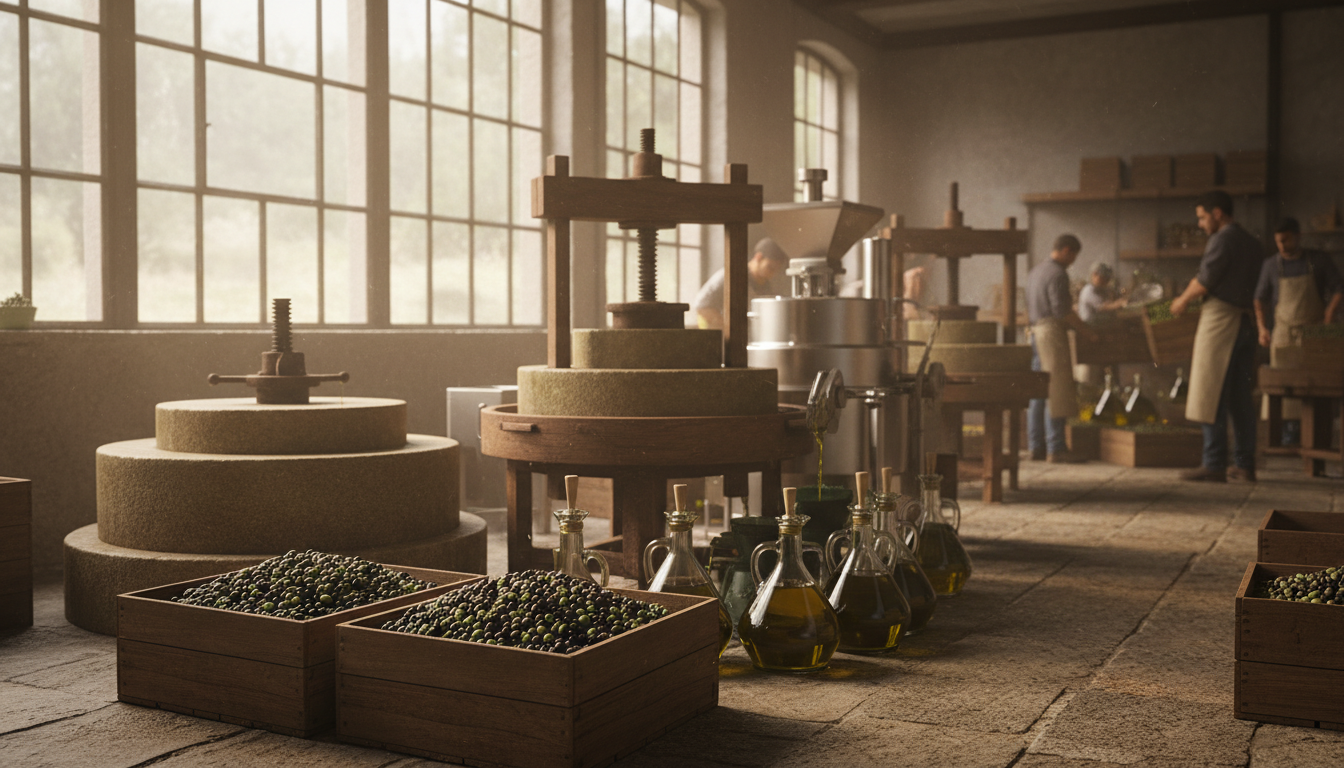
Once harvested, olives can be processed for oil or cured for table use. If you plan to produce olive oil, consider partnering with a local mill. For table olives, curing methods such as brining or dry curing can be employed. Market your products at local farmers' markets or online to reach a broader audience.
Embracing the Olive Orchard Lifestyle
Running an olive orchard requires dedication, but the rewards are abundant. Besides producing high-quality olives and oil, you'll enjoy a connection to the land and community. Embrace sustainable practices to ensure your orchard thrives for generations to come.