A Comprehensive Guide to Olive Farming in San Simon


Introduction to Olive Farming in San Simon
Olive farming is a thriving industry in San Simon, known for its rich agricultural heritage. This guide will walk you through the essentials of cultivating olives in this fertile region, offering insights into the best practices and considerations for success.
Understanding the Climate and Soil
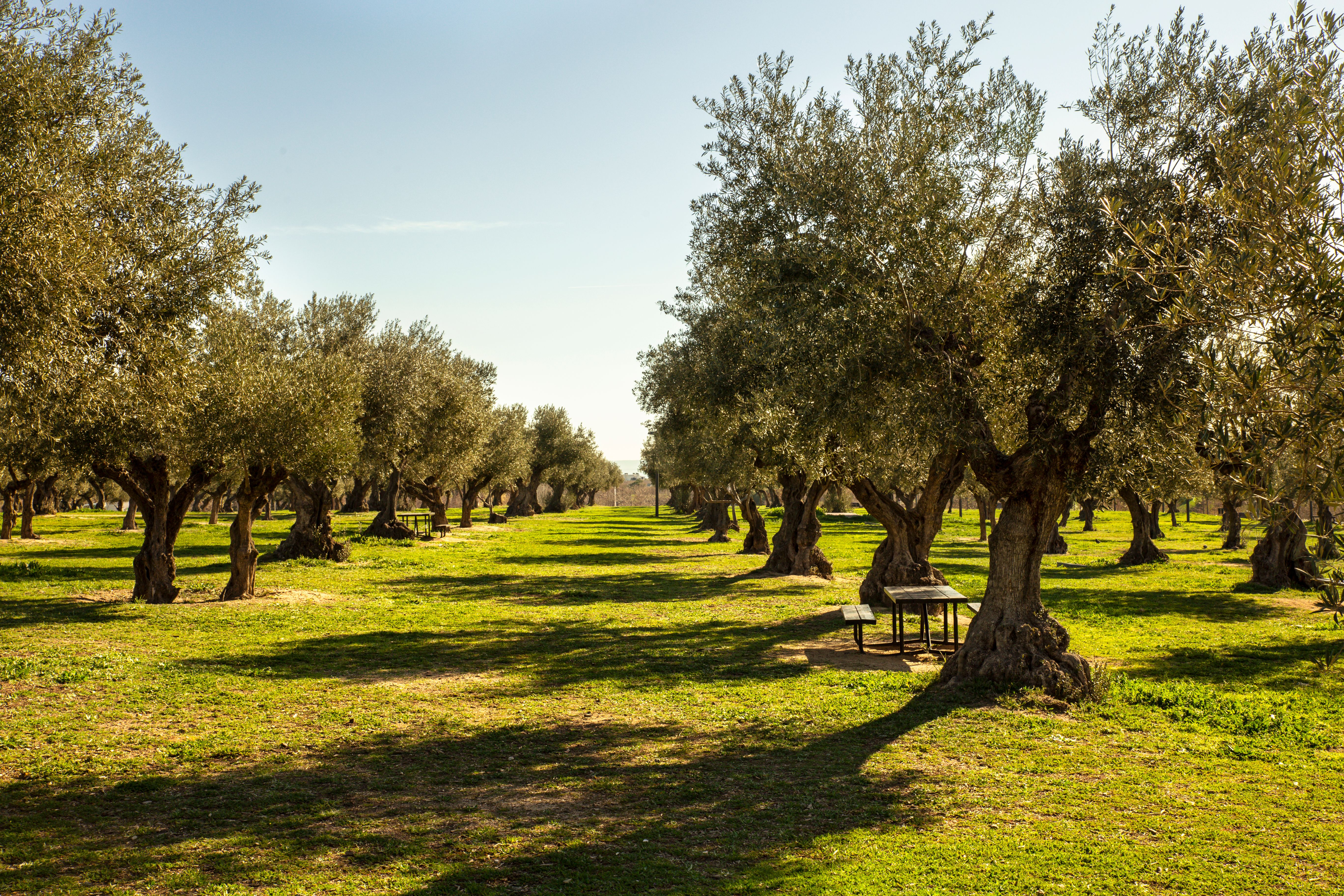
The climate in San Simon is ideal for olive cultivation, characterized by hot, dry summers and mild, wet winters. This Mediterranean-like climate supports the growth of various olive varieties. Choosing the right soil is crucial; well-drained, loamy soil with a neutral pH is optimal for olive trees.
Soil Preparation
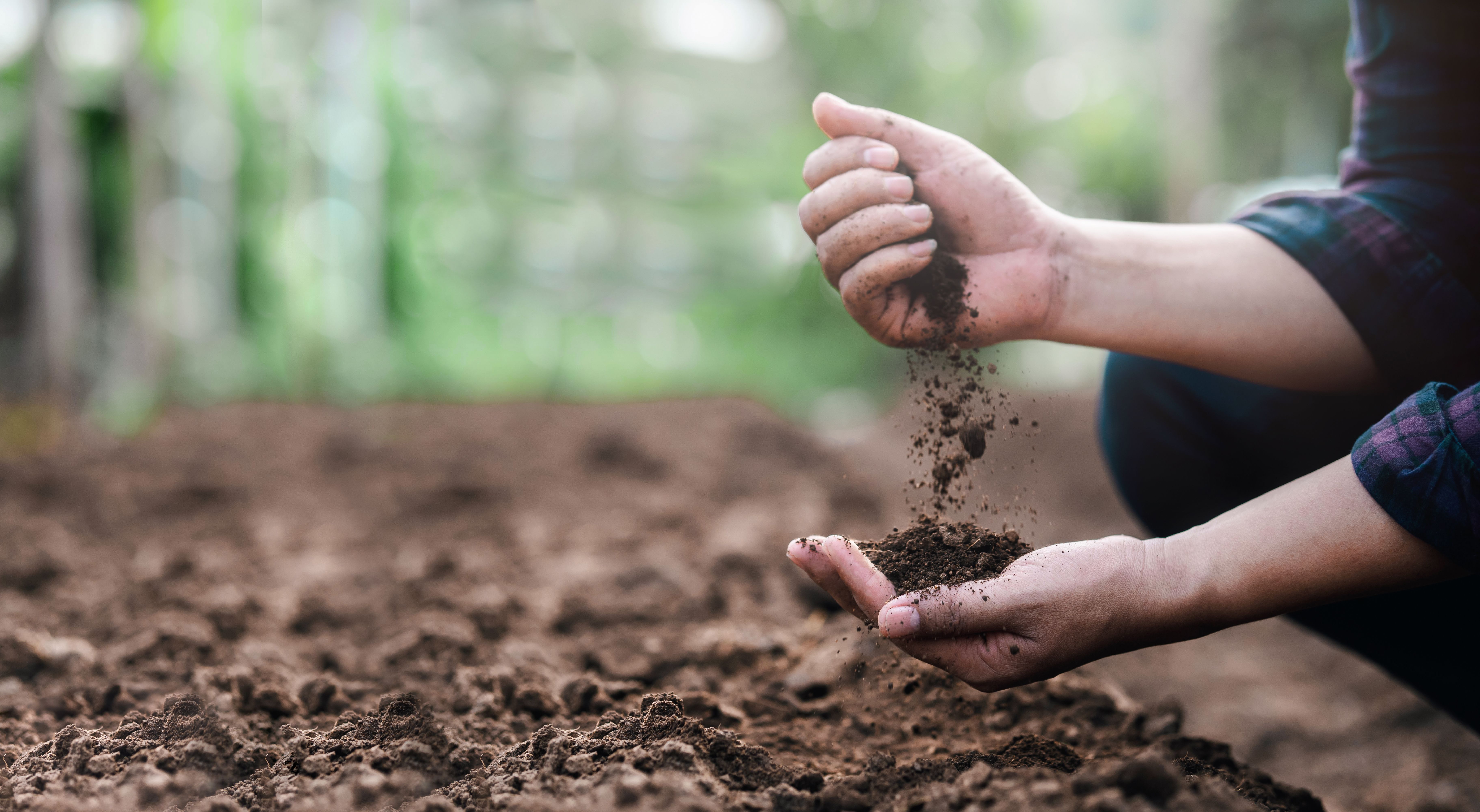
Before planting, it's essential to prepare the soil properly. This involves testing the pH levels and ensuring good drainage. Adding organic matter can enhance soil fertility, providing a healthy foundation for your olive trees.
Selecting Olive Varieties
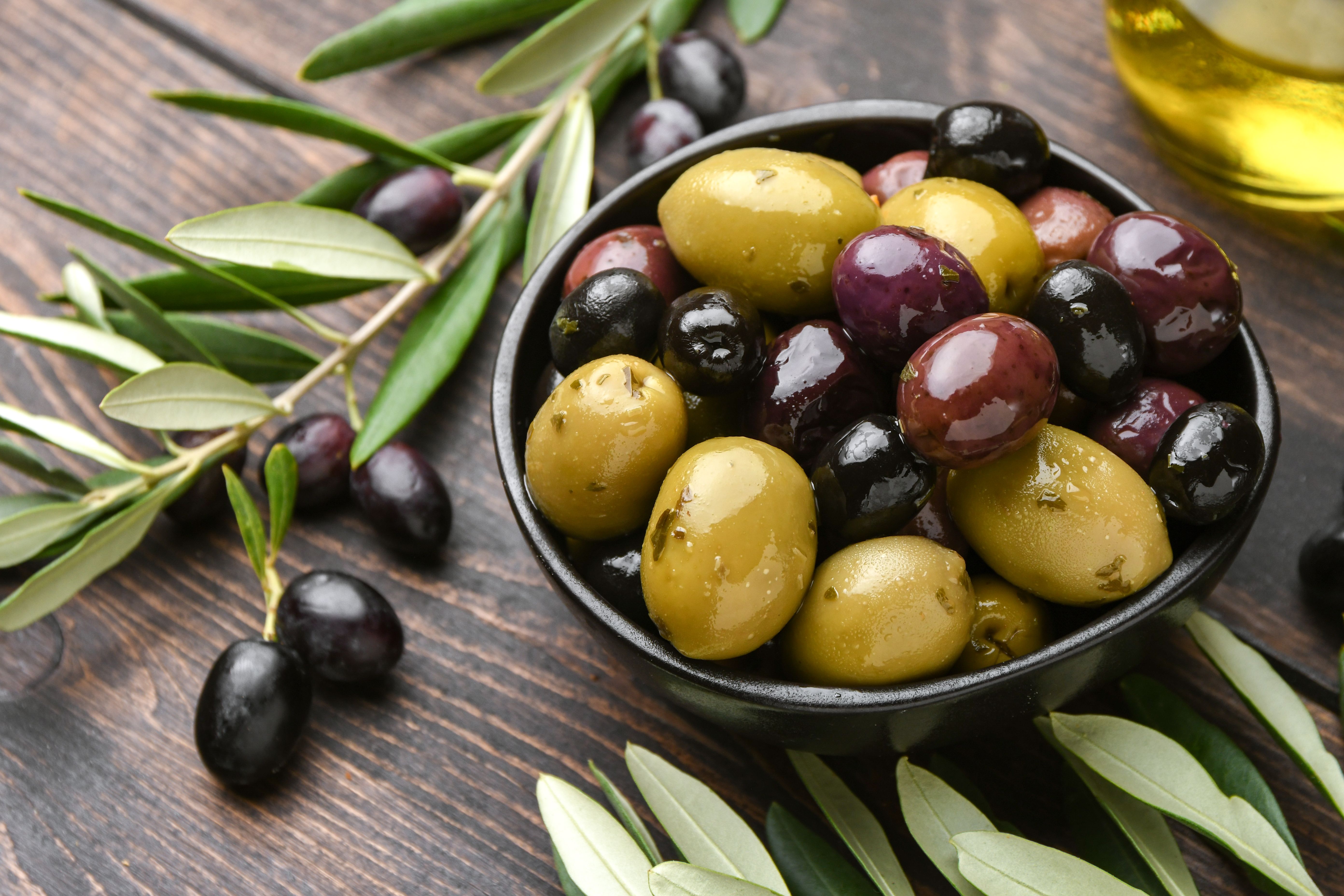
Choosing the right olive variety depends on your goals, whether for oil production or table olives. Popular varieties in San Simon include Picual, Arbequina, and Manzanilla. Each has distinct characteristics in terms of flavor, oil content, and growth habit.
Propagation Methods
Olive trees can be propagated through cuttings or grafting. Cuttings are common for small-scale operations, while grafting is preferred for establishing large orchards with uniform characteristics.
Planting and Maintenance
Proper planting techniques are vital for healthy growth. Trees should be spaced adequately to allow for sunlight penetration and air circulation. Regular maintenance, including pruning and fertilization, will ensure robust development.
Pest and Disease Management
Common pests in San Simon include the olive fruit fly and various fungal diseases. Implementing integrated pest management strategies, such as biological control and regular monitoring, can mitigate these challenges effectively.
Harvesting and Processing
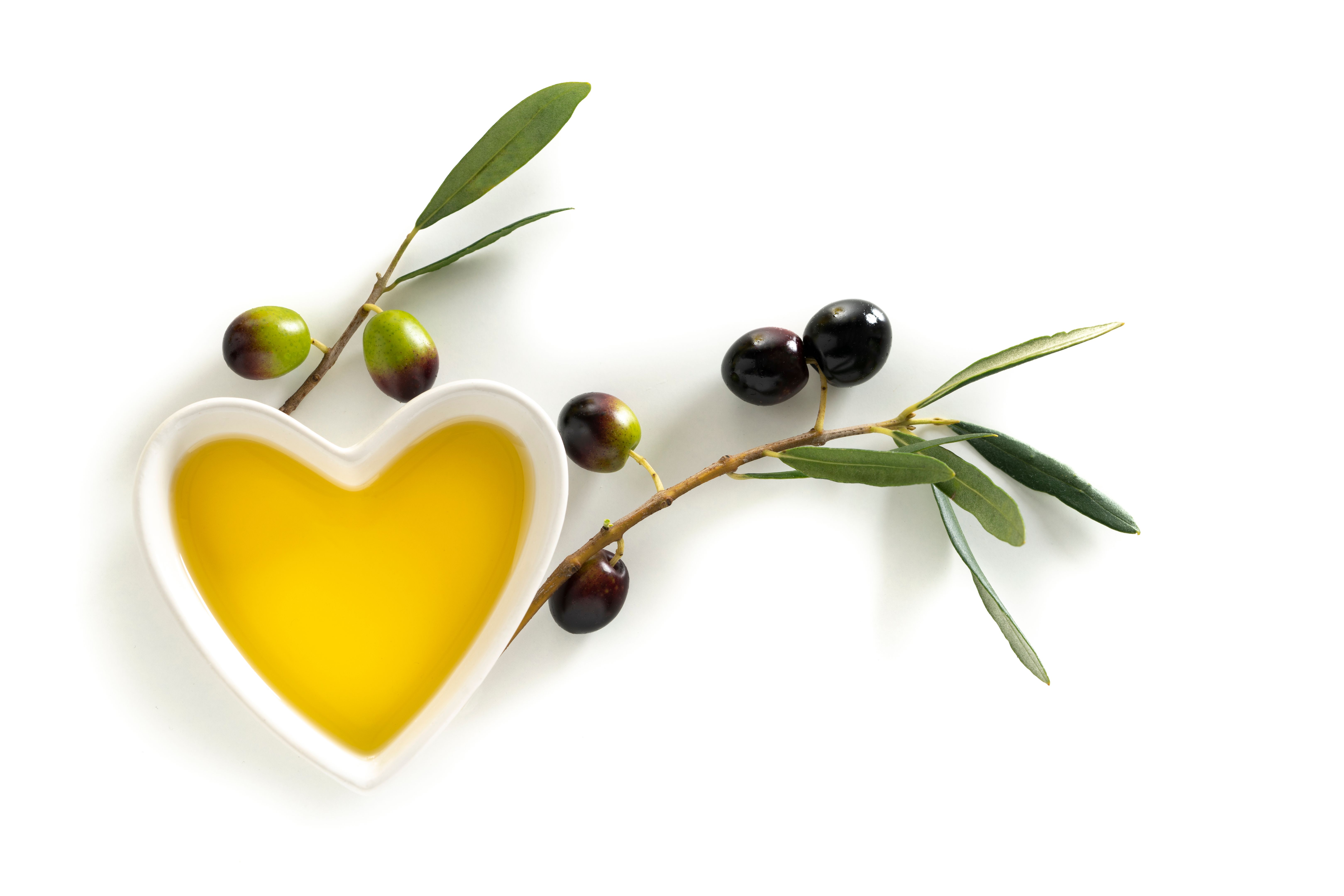
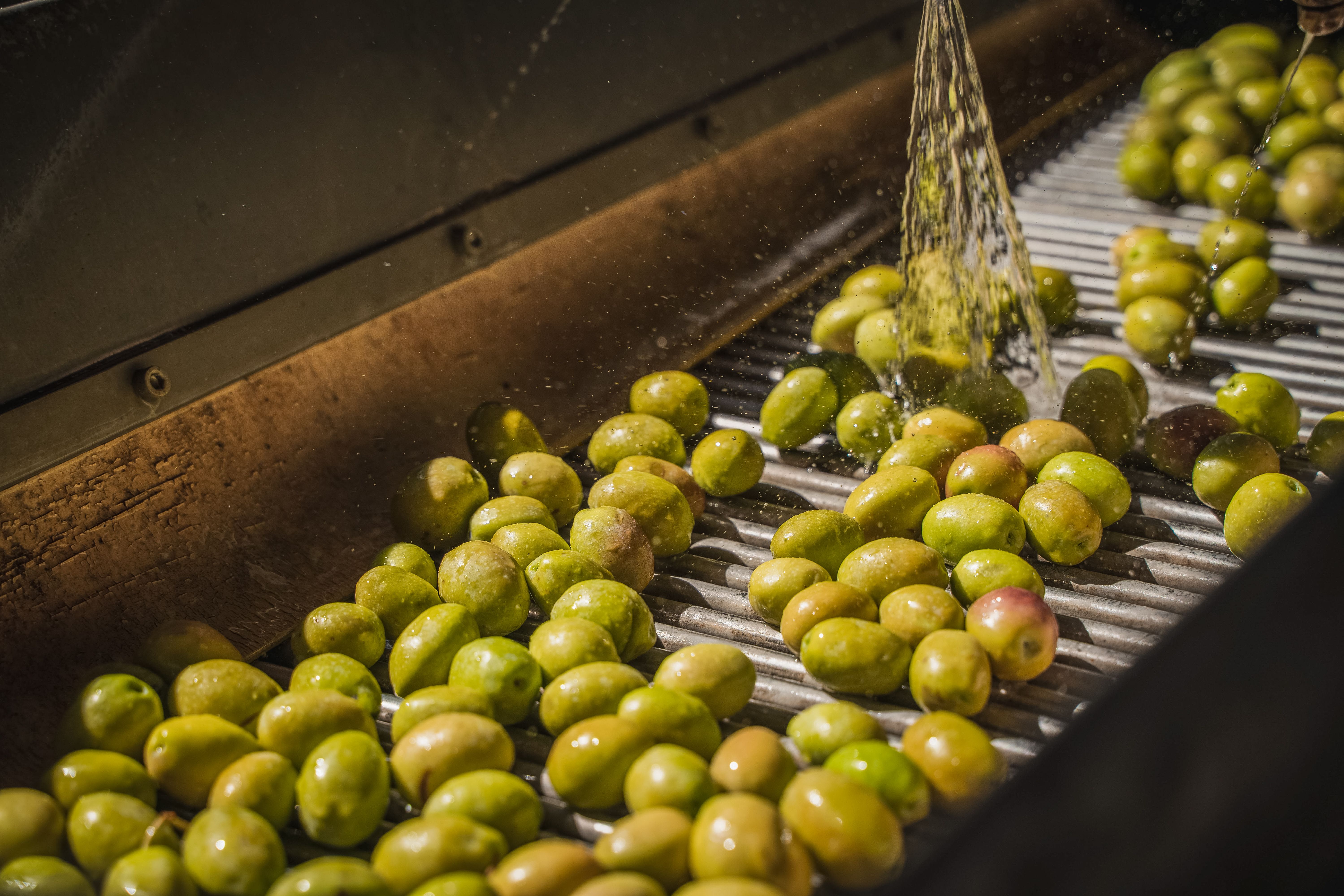
Harvesting typically occurs in late fall when olives reach the desired ripeness. For oil production, olives should be processed promptly to maintain quality. This involves crushing, pressing, and separating the oil from the solids.
Post-Harvest Storage
Proper storage is crucial to preserve the flavor and quality of olive oil. Store in a cool, dark place in airtight containers to prevent oxidation and degradation.
Conclusion
Olive farming in San Simon offers a rewarding experience for those willing to invest time and effort. By understanding the local climate, selecting appropriate varieties, and adhering to best practices, you can cultivate a successful olive orchard that contributes to the vibrant agricultural landscape of the region.