5 Common Misconceptions About Olive Farming Debunked


Introduction
Olive farming is a tradition that dates back thousands of years, yet many misconceptions about it persist today. Whether you're a seasoned farmer or just someone interested in agriculture, understanding the realities of olive farming can be enlightening. Here, we debunk five common misconceptions about this fascinating industry.
Misconception 1: Olives Can Grow Anywhere
It's a common belief that olive trees can thrive in any environment. However, olives require a specific climate to flourish. They need a combination of hot, dry summers and cool, wet winters, which is why they are predominantly grown in Mediterranean climates.
Misconception 2: All Olive Oil Is the Same
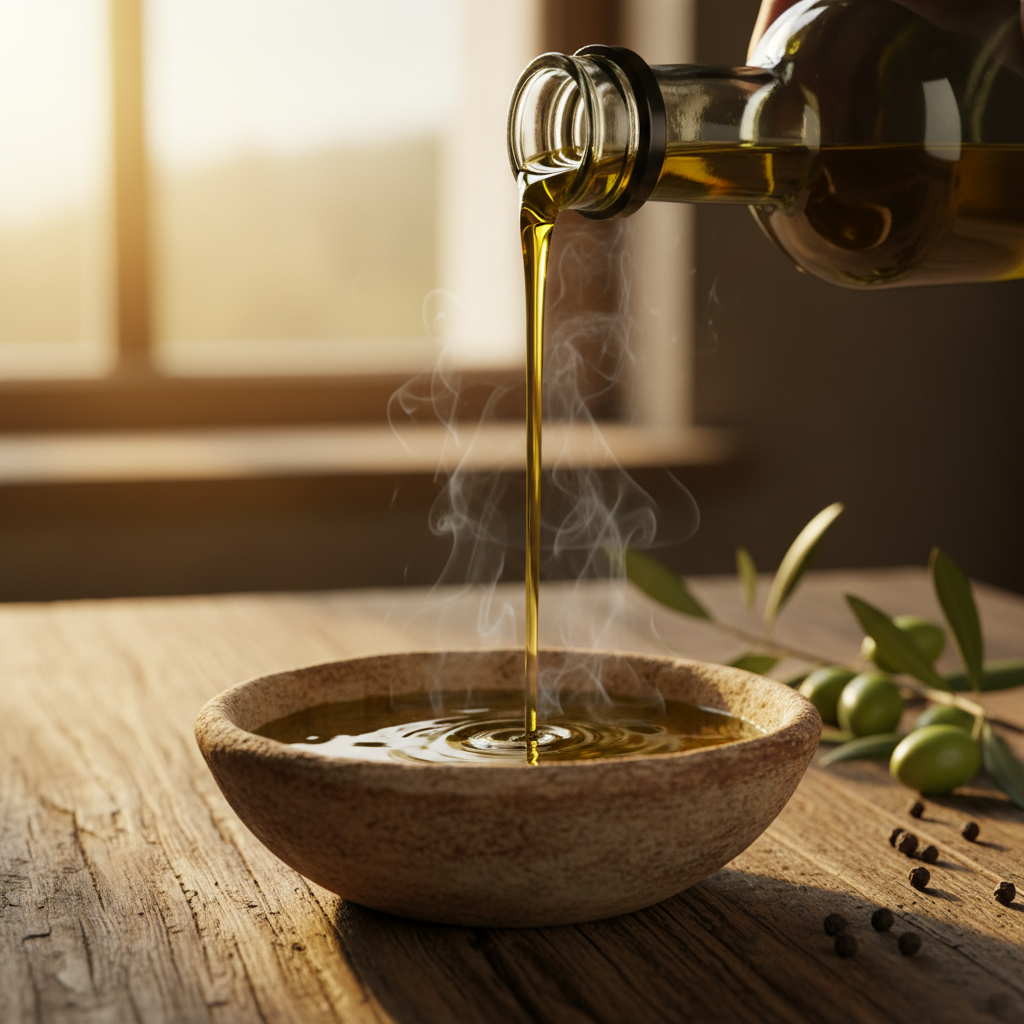
Not all olive oil is created equal. The quality of olive oil can vary significantly, depending on factors like the type of olives used, the region where they are grown, and the method of extraction. Extra virgin olive oil is considered the highest quality, made from pure, cold-pressed olives, while lower grades may involve more processing.
Understanding Olive Oil Grades
- Extra Virgin Olive Oil: Highest quality, cold-pressed.
- Virgin Olive Oil: Slightly lower quality, minimal processing.
- Refined Olive Oil: Highly processed, lesser flavor.
Misconception 3: Olive Trees Require Little Maintenance
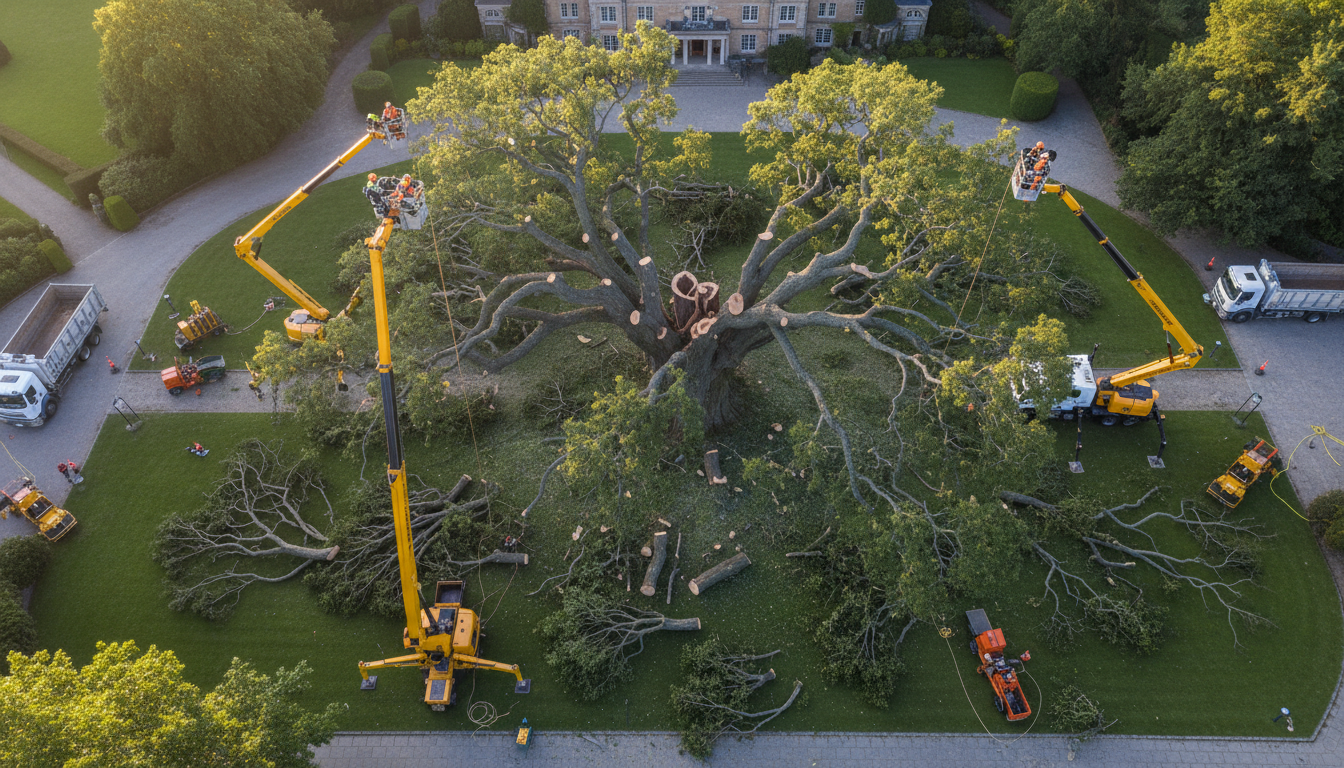
While olive trees are hardy, they are not maintenance-free. Proper pruning, fertilization, and pest control are essential for healthy growth and high yields. Neglecting these aspects can lead to poor fruit production and even tree damage.
Misconception 4: Olive Farming Is Not Environmentally Friendly
Many assume that olive farming is harmful to the environment, but in reality, it can be quite sustainable. Olive trees are drought-resistant and help prevent soil erosion. Moreover, many farmers are now implementing sustainable practices such as organic farming and water-efficient irrigation systems.
Misconception 5: Olive Farming Is Not Profitable
Some believe that olive farming does not yield significant profits. However, with the global demand for olive oil on the rise, olive farming can be highly lucrative. Success in this field often requires investing in quality production methods and marketing strategies to differentiate products in a competitive market.
Conclusion
Understanding the realities of olive farming can help dispel these misconceptions and appreciate the dedication and skill involved in producing one of the world's most beloved foods. From climate needs to sustainability practices, olive farming is a complex yet rewarding endeavor.